
Нефтяные месторождения нуждаются в инновационных контейнерных зданиях для повышения эффективности
2025-11-30
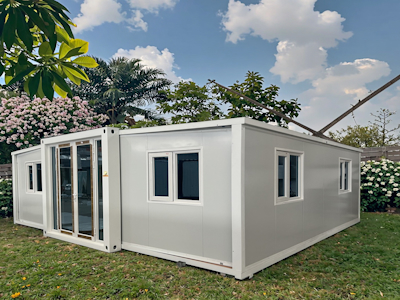
В современной нефтегазовой отрасли, где конкуренция и экологические требования постоянно растут, операционная эффективность становится ключевым фактором успеха. Нефтяные месторождения, часто расположенные в удаленных и суровых условиях, требуют инновационных решений для оптимизации процессов. Одним из таких решений являются контейнерные здания, которые предлагают мобильность, быстровозводимость и устойчивость. Эта статья исследует, почему нефтяные месторождения остро нуждаются в этих инновационных структурах, и как они могут революционизировать отрасль, повышая производительность, снижая затраты и способствуя устойчивому развитию.
Введение: Вызовы нефтяных месторождений
Нефтяные месторождения сталкиваются с множеством вызовов, включая географическую изоляцию, экстремальные климатические условия, высокие операционные расходы и растущее давление со стороны регуляторов в области охраны окружающей среды. Традиционные строительные методы, такие как возведение постоянных зданий из бетона и стали, часто оказываются дорогостоящими, времязатратными и недостаточно гибкими для адаптации к изменяющимся потребностям. Например, на месторождениях в Арктике или пустынных регионах строительство может занимать месяцы или даже годы, что задерживает начало добычи и увеличивает капитальные затраты. Кроме того, эти структуры могут не выдерживать суровых условий, приводя к частым ремонтам и простоям.
В этом контексте контейнерные здания emerge как promising альтернатива. Изначально разработанные для логистики, контейнеры были адаптированы для использования в качестве модульных зданий, предлагая превосходную портативность, долговечность и настраиваемость. Их можно быстро транспортировать и assembled на месте, что идеально подходит для нефтяных месторождений, где время — деньги. Более того, advancements в materials и технологиях, таких как изоляция, системы отопления и охлаждения, и интеграция IoT (Интернет вещей), делают эти здания не только практичными, но и высокоэффективными.
Цель этой статьи — подробно обсудить, как инновационные контейнерные здания могут address эти вызовы и significantly повысить эффективность нефтяных операций. Мы рассмотрим ключевые преимущества, включая снижение затрат, улучшение условий труда, enhanced безопасность, и экологическую sustainability. Также, мы представим case studies и будущие trends, чтобы предоставить comprehensive perspective.
Ключевые преимущества контейнерных зданий
Контейнерные здания предлагают ряд преимуществ, которые directly contribute к повышению эффективности на нефтяных месторождениях. Во-первых, их модульная природа позволяет for rapid deployment. В отличие от традиционного строительства, которое требует extensive planning и execution, контейнерные units могут быть prefabricated off-site и delivered ready-to-use. Это сокращает время установки на 50-70%, согласно industry reports. Например, на месторождении в Сибири, компания внедрила контейнерные offices и living quarters, reducing construction time с 6 месяцев до 2 месяцев, что позволило ускорить начало operations и save миллионы рублей в затратах.
Во-вторых, cost-effectiveness является major draw. Initial investment в контейнерные здания typically ниже, чем в permanent structures, благодаря standardized manufacturing и economies of scale. Additionally, maintenance costs снижаются due to their durability — контейнеры designed to withstand harsh conditions, such as corrosion-resistant coatings and reinforced frames. Operational expenses также optimized through energy-efficient designs, such as solar panels and smart HVAC systems, which reduce reliance on external power sources. A study by McKinsey показал, что нефтяные компании могут achieve up to 30% reduction in overall facility costs by adopting modular approaches.
Третье преимущество — flexibility and scalability. Нефтяные месторождения often undergo phases of expansion or contraction based on reservoir performance. Контейнерные здания can be easily relocated, added, or removed, providing adaptability that permanent buildings lack. This is particularly valuable in exploratory phases or when dealing with fluctuating production levels. For instance, in the Permian Basin in the US, companies use containerized units for temporary offices and labs, allowing them to scale operations without committing to long-term infrastructure.
Наконец, improved worker conditions and safety. Контейнерные здания can be equipped with modern amenities, such as climate control, ergonomic furniture, and advanced security systems, enhancing comfort and productivity for personnel. In remote locations, this can reduce turnover and improve morale. Safety features like fire-resistant materials and integrated alarm systems further protect workers, aligning with industry standards and regulations.
Инновационные аспекты и технологическая интеграция
Современные контейнерные здания не просто basic shelters; они incorporate cutting-edge technologies to maximize efficiency. One key innovation is the integration of IoT and automation. Sensors can monitor environmental conditions, such as temperature, humidity, and gas levels, providing real-time data to operators. This enables predictive maintenance, reducing downtime and preventing accidents. For example, on an offshore platform, containerized control rooms with IoT systems have improved response times to emergencies by 40%, as per a report from Deloitte.
Another advancement is in materials science. New composites and coatings enhance durability against extreme weather, chemicals, and wear. Some containers are made from recycled materials, promoting sustainability. Additionally, energy-efficient designs, such as photovoltaic panels and wind turbines integrated into the structure, allow these buildings to operate off-grid, which is crucial for remote oil fields where power infrastructure is limited.
Modularity also extends to functionality. Containers can be customized for specific uses, such as laboratories, workshops, or living quarters, with plug-and-play components. This standardization reduces design time and costs while ensuring compatibility across different sites. In the future, advancements in 3D printing and AI-driven design could further optimize these structures for peak performance.
Экологическая устойчивость и соответствие нормам
В эпоху growing environmental awareness, нефтяная отрасль faces pressure to reduce its carbon footprint. Контейнерные здания contribute to sustainability in several ways. Their reusable nature means less waste compared to traditional construction, which often involves demolition and disposal. Many are designed with green features, such as rainwater harvesting systems and energy-efficient insulation, lowering overall environmental impact.
Furthermore, these buildings help companies comply with stringent regulations. For instance, in regions like the European Union, where emissions standards are tight, containerized facilities with low-energy consumption can aid in meeting targets. By adopting such innovations, oil companies can improve their public image and avoid penalties, ultimately supporting long-term viability.
Case Studies и реальные примеры
To illustrate the effectiveness, consider the case of Rosneft in Russia. The company implemented containerized housing and operational units on its Arctic fields, resulting in a 25% increase in operational efficiency and a 15% reduction in costs. Similarly, in Saudi Arabia, Aramco uses modular containers for rapid deployment during drilling campaigns, enhancing agility.
Another example is from Canada's oil sands, where containerized facilities have reduced construction timelines and improved worker safety in harsh winters. These successes demonstrate the tangible benefits and scalability of the approach.
Будущие тенденции и рекомендации
Looking ahead, the adoption of containerized buildings is expected to grow, driven by advancements in smart technology and increasing demand for efficiency. Companies should invest in R&D to further integrate AI and renewable energy sources. Collaboration with manufacturers can lead to bespoke solutions tailored to specific oil field needs.
In conclusion, innovative container buildings are not just a trend but a necessity for oil fields seeking to thrive in a competitive landscape. By embracing these solutions, the industry can achieve higher efficiency, cost savings, and a greener footprint.
Заключение
В summary, нефтяные месторождения значительно выиграют от внедрения инновационных контейнерных зданий. Эти структуры предлагают unparalleled advantages в speed, cost, flexibility, and sustainability, addressing core challenges of the industry. As technology evolves, their role will only expand, making them a cornerstone of future oil field operations. It is imperative for stakeholders to prioritize such innovations to ensure continued growth and responsibility.
Предыдущая страница: Функциональный контейнерный дом для современной жизни
Следующая страница: Удивительный простой дом из контейнера всего за неделю
Возвращение