

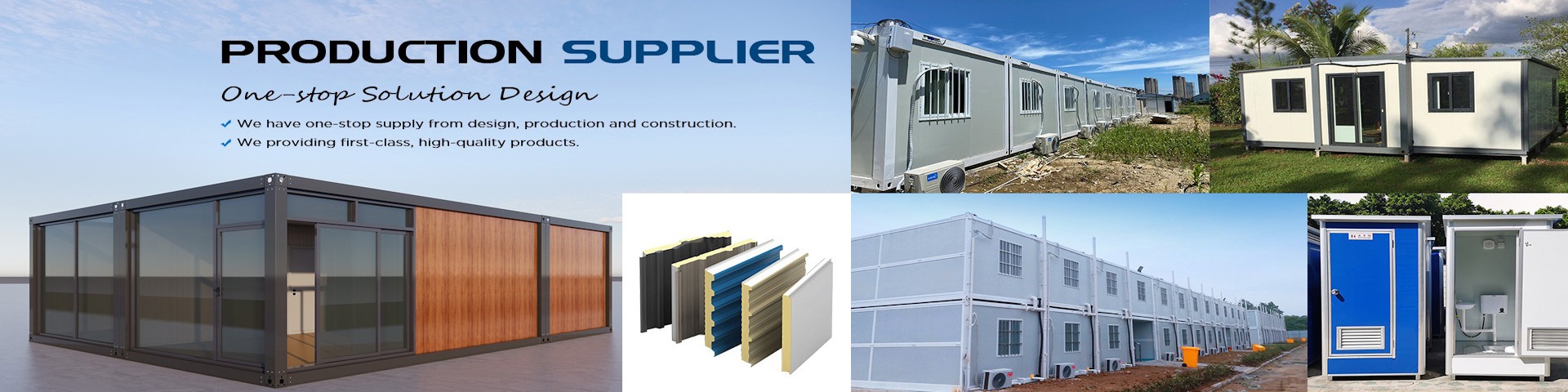
Компактный контейнерный дом ваш идеальный дом мечты
2025-12-01
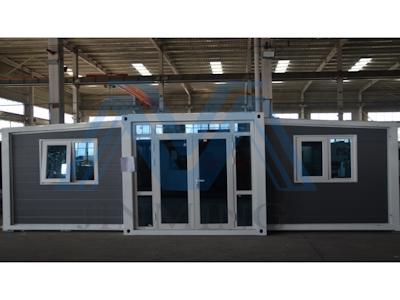
В современном мире, где темп жизни ускоряется, а экологические проблемы становятся все более актуальными, многие люди ищут альтернативные способы жилья, которые сочетают в себе комфорт, устойчивость и доступность. Компактные контейнерные дома представляют собой инновационное решение, которое не только отвечает этим требованиям, но и переопределяет само понятие дома. В этой статье мы подробно рассмотрим, почему контейнерный дом может стать вашим идеальным домом мечты, охватывая все аспекты от преимуществ и дизайна до практических советов по строительству и реальных примеров.
Введение в мир контейнерных домов
Контейнерные дома — это жилые пространства, созданные из переработанных морских контейнеров. Эти контейнеры, изначально предназначенные для перевозки грузов, обладают прочной структурой из стали, что делает их идеальной основой для строительства. Идея использовать контейнеры для жилья появилась еще в середине XX века, но настоящий бум произошел в последние десятилетия благодаря росту интереса к устойчивому развитию и минимализму. Сегодня контейнерные дома не просто временное укрытие; они стали символом современного, экологичного образа жизни, предлагая уникальные возможности для персонализации и адаптации к любым потребностям.
Почему именно контейнеры? Во-первых, они чрезвычайно durable и способны выдерживать экстремальные погодные условия, что делает их подходящими для различных климатических зон. Во-вторых, их модульная природа позволяет легко комбинировать несколько контейнеров для создания больших пространств или разборных конструкций. Это открывает безграничные возможности для творчества в архитектуре и дизайне. Более того, использование переработанных материалов снижает углеродный след строительства, что aligns с глобальными тенденциями в области охраны окружающей среды.
В этой статье мы углубимся в детали, чтобы показать, как компактный контейнерный дом может трансформировать вашу жизнь. Мы обсудим ключевые преимущества, такие как экономия средств, скорость строительства и мобильность, а также рассмотрим практические аспекты, включая выбор контейнера, планировку интерьера и юридические вопросы. Кроме того, мы представим вдохновляющие примеры из реальной жизни и дадим советы по началу вашего проекта. К концу чтения вы, возможно, уже представите себя в уютном, современном доме, созданном из простого контейнера.
Преимущества компактных контейнерных домов
Одним из самых значительных преимуществ контейнерных домов является их доступность. По сравнению с традиционным строительством, стоимость материалов и labor значительно ниже. Контейнеры можно приобрести б/у по цене от 2,000 до 5,000 долларов за штуку, в зависимости от размера и состояния. Это делает начальные инвестиции manageable для многих семей и individuals. Кроме того, процесс строительства часто занимает weeks instead of months, что экономит время и reduces стресс, связанный с длительными стройками.
Экологичность — еще один ключевой аспект. Используя переработанные контейнеры, мы уменьшаем количество отходов и потребление новых ресурсов. Сталь, из которой сделаны контейнеры, на 100% recyclable, и многие проекты incorporate солнечные панели, системы сбора дождевой воды и энергоэффективные изоляционные материалы. Это не только помогает планете, но и снижает долгосрочные расходы на коммунальные услуги. Например, proper insulation can cut heating and cooling costs by up to 50%, making these homes economically and environmentally sustainable.
Мобильность и гибкость делают контейнерные дома идеальными для тех, кто любит путешествовать или жить в разных местах. Контейнеры можно easily transport на грузовиках или поездах, и их можно установить практически anywhere — от удаленных сельских участков до городских rooftop. Это открывает возможности для жизни close to nature или в динамичных urban environments without the commitment of permanent structures. Additionally, the modular design allows for easy expansion; if your family grows, you can simply add another container to create more space.
Долговечность и безопасность также standout. Морские контейнеры designed to withstand harsh conditions at sea, so они resistant to fire, wind, and even earthquakes when properly anchored. With reinforcements and modern materials, they can last for decades with minimal maintenance. This peace of mind is invaluable for homeowners who prioritize safety and reliability.
In summary, compact container homes offer a unique blend of affordability, sustainability, flexibility, and durability that is hard to find in traditional housing. They represent a forward-thinking approach to living that aligns with modern values of simplicity and environmental consciousness.
Дизайн и планировка интерьера
Дизайн контейнерного дома — это искусство превращения ограниченного пространства в функциональное и эстетичное жилье. Стандартный морской контейнер имеет размеры около 20 или 40 футов в длину, 8 футов в ширину и 8.5 футов в высоту, что создает challenges but also opportunities for creativity. The key is to maximize every inch through smart layout choices, multi-functional furniture, and innovative storage solutions.
Open-plan designs are popular in container homes, as they create a sense of spaciousness. For instance, combining the living, dining, and kitchen areas into one continuous space can make a small home feel larger. Large windows and glass doors are essential to bring in natural light and connect the interior with the outdoors, enhancing the overall ambiance. Sliding doors or foldable partitions can provide flexibility, allowing rooms to be opened up or closed off as needed.
Material selection plays a crucial role in the interior design. Light-colored walls and ceilings reflect light and make spaces appear bigger, while natural materials like wood and stone add warmth and texture. Eco-friendly options such as bamboo flooring or recycled glass countertops not only look stylish but also contribute to sustainability. Furniture should be chosen for its functionality; for example, a sofa that converts into a bed or tables with hidden storage can save valuable space.
Lighting is another critical element. A combination of overhead lights, task lighting, and accent lights can create layers of illumination that enhance the mood and functionality of each area. LED lights are energy-efficient and long-lasting, making them ideal for container homes. Smart home technology can be integrated to control lighting, temperature, and security remotely, adding a modern touch to the living experience.
Real-life examples abound of stunning container home interiors. From minimalist studios with sleek finishes to family homes with cozy nooks, the possibilities are endless. By focusing on simplicity, efficiency, and personal style, you can design a container home that is not only practical but also a true reflection of your dreams.
Практические шаги к строительству вашего контейнерного дома
Building a container home requires careful planning and execution. The first step is to define your needs and budget. Consider how many people will live in the home, what amenities are essential, and how much you are willing to spend. This will help determine the number and size of containers needed. A single 20-foot container might suffice for a studio, while a family might opt for multiple 40-foot containers combined into a larger structure.
Next, choose the right location. Check local zoning laws and building codes, as regulations vary by region. Some areas may have restrictions on using containers for residential purposes, so it's crucial to obtain necessary permits before starting. If you plan to place the home on land you own, ensure the site is level and accessible for delivery and installation. For urban settings, consider factors like noise, privacy, and proximity to utilities.
Selecting and preparing the container is vital. Look for containers in good condition, preferably one-trip or cargo-worthy, to avoid extensive repairs. Inspect for rust, dents, and structural integrity. Once acquired, the container needs to be modified: cut openings for doors and windows, add insulation, and install electrical and plumbing systems. Hiring professionals for this stage is recommended, especially if you lack experience in construction.
Insulation is critical for comfort and energy efficiency. Options include spray foam, panel insulation, or natural materials like wool. Proper ventilation must be incorporated to prevent moisture buildup and ensure air quality. For utilities, connect to local water, sewer, and power lines, or consider off-grid solutions like solar panels and composting toilets for greater independence.
Finally, focus on the finishing touches: interior walls, flooring, and décor. This is where you can personalize your home to make it uniquely yours. Throughout the process, keep sustainability in mind by using eco-friendly materials and practices. With patience and attention to detail, building a container home can be a rewarding journey that results in a durable, affordable, and dream-worthy living space.
Реальные примеры и вдохновение
To illustrate the potential of container homes, let's explore some real-world examples. In California, a couple transformed four 40-foot containers into a spacious family home with an open-plan living area, three bedrooms, and a rooftop garden. The project cost around $150,000, significantly less than a comparable traditional home, and features solar panels for off-grid energy.
In Europe, a startup in Netherlands created a mobile container home that can be towed to different locations. This design includes pop-out sections to expand the living space when stationary, offering the ultimate flexibility for digital nomads and adventurers. The interior is sleek and modern, with smart home technology integrated throughout.
In Asia, particularly in Japan, container homes are used as affordable housing solutions in densely populated cities. One project in Tokyo stacked containers vertically to create a multi-story apartment building, providing homes for dozens of families while utilizing minimal land area. The design incorporates communal spaces and green roofs to foster a sense of community and sustainability.
These examples show that container homes are not just a trend but a viable alternative for various lifestyles. Whether you seek simplicity, mobility, or environmental responsibility, there is a container home design that can meet your needs. By learning from these successes, you can gather ideas and motivation for your own project.
Заключение: ваш дом мечты ждет
В заключение, компактные контейнерные дома предлагают уникальное сочетание практичности, экологичности и креативности, которое может превратить вашу мечту о идеальном доме в реальность. Они демонстрируют, что жилье не должно быть дорогим, статичным или вредным для окружающей среды. Вместо этого, с помощью инноваций и thoughtful design, вы можете создать пространство, которое отражает ваши ценности и enhances ваш образ жизни.
Мы рассмотрели преимущества, от экономии средств до мобильности, углубились в дизайн интерьера и practical steps for construction, and shared inspiring examples. Now, it's your turn to take action. Start by researching local regulations, sketching out your ideas, and connecting with experts in the field. Remember, the journey to building a container home is as rewarding as the result, offering opportunities for learning and personal growth.
Embrace the future of housing with a compact container home. It's more than just a structure; it's a statement about living intentionally and sustainably. Your dream home is within reach—begin the adventure today and discover the endless possibilities that await.
Предыдущая страница: Жизнь в контейнере у моря мечты станут реальностью
Следующая страница: Современные кемпинговые контейнерные дома: стиль эко и практичность
Возвращение