
Уникальные контейнерные дома долговечные и надежные решения для жизни
2025-12-03
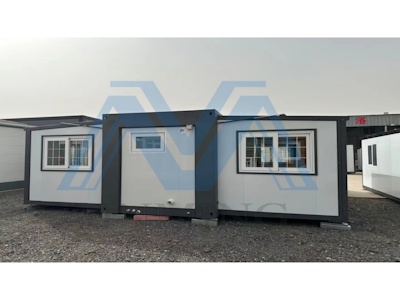
В современном мире, где урбанизация и экологические проблемы становятся все более актуальными, поиск инновационных и устойчивых решений для жилья приобретает критическое значение. Контейнерные дома, построенные из переработанных морских контейнеров, представляют собой не просто модный тренд, а фундаментальный сдвиг в подходе к строительству и образу жизни. Эти структуры объединяют в себе долговечность, надежность, экономическую эффективность и экологическую ответственность, предлагая уникальные возможности для тех, кто стремится к комфорту, безопасности и гармонии с окружающей средой. В этой статье мы глубоко погрузимся в мир контейнерных домов, исследуя их историю, преимущества, технологические аспекты, практические применения и будущие перспективы, чтобы продемонстрировать, почему они являются выдающимся выбором для современного общества.
Введение в контейнерные дома: от индустриального наследия к жилым инновациям
Контейнерные дома берут свое начало в середине XX века, когда стандартизация морских контейнеров революционизировала global logistics. Изобретенные Малкомом Маклином в 1956 году, эти стальные ящики изначально предназначались для упрощения транспортировки грузов, но их прочность, модульность и доступность вскоре привлекли внимание архитекторов и строителей. Первые эксперименты по преобразованию контейнеров в жилые пространства начались в 1980-х годах, но настоящий бум произошел в начале 2000-х годов, driven by growing environmental awareness and the need for affordable housing. Сегодня контейнерные дома не просто альтернатива традиционному строительству; они символизируют креативность, устойчивость и адаптивность, challenges conventional notions of home and community.
Основная идея контейнерного дома заключается в использовании прочных стальных контейнеров, typically measuring 20 or 40 feet in length, which are modified, insulated, and assembled to create functional living spaces. This process involves cutting openings for windows and doors, adding insulation to regulate temperature, installing electrical and plumbing systems, and finishing interiors with modern materials. The result is a structure that is not only robust and secure but also highly customizable, allowing for endless design possibilities—from compact studios to expansive multi-level homes. The reuse of containers also aligns with circular economy principles, reducing waste and minimizing the environmental footprint associated with new construction.
Why are container homes gaining such traction? The answer lies in their multifaceted appeal. For individuals, they offer a chance to own a home at a fraction of the cost of conventional buildings, with shorter construction times and lower maintenance requirements. For communities, they present opportunities for rapid deployment in disaster relief or urban densification. And for the planet, they represent a step towards more sustainable living by repurposing materials that would otherwise contribute to landfill waste. As we delve deeper, we will explore each of these aspects in detail, highlighting the durability, reliability, and innovative spirit that make container homes a compelling choice for the future.
Долговечность контейнерных домов: прочность, которая withstands the test of time
Одним из наиболее впечатляющих аспектов контейнерных домов является их исключительная долговечность. Морские контейнеры designed to endure harsh conditions at sea, including saltwater corrosion, heavy loads, and extreme weather, which translates into a built-in resilience for residential use. Made from corten steel, a material known for its weather-resistant properties, these containers form a skeletal structure that can last for decades with proper maintenance. In fact, a well-maintained container home can have a lifespan of 25-30 years or more, rivaling that of traditional buildings, and with periodic upgrades, it can remain functional indefinitely.
The durability of container homes stems from several key factors. First, the steel framework provides superior structural integrity, making them resistant to earthquakes, high winds, and even fire when treated with appropriate coatings. Second, the modular nature allows for easy repairs and replacements; if a section is damaged, it can be swapped out without compromising the entire structure. Third, advancements in protective coatings and insulation technologies have addressed early concerns about rust and condensation, ensuring that these homes remain comfortable and safe over time. For instance, epoxy coatings and galvanization can prevent corrosion, while spray foam insulation not only regulates temperature but also adds to the structural strength.
Comparatively, traditional wood-frame houses may be susceptible to rot, pests, and weather damage, requiring frequent upkeep. Concrete buildings, while durable, often involve higher carbon emissions during construction. Container homes strike a balance by leveraging existing materials that are both tough and eco-friendly. Real-world examples abound: in regions prone to hurricanes, such as the Caribbean, container homes have withstood storms that leveled conventional buildings, thanks to their robust design. This resilience makes them an ideal solution for areas facing climate-related challenges, offering peace of mind to inhabitants who value security and longevity in their living spaces.
Надежность контейнерных домов: безопасность, стабильность и уверенность
Надежность goes beyond mere durability; it encompasses safety, stability, and the assurance that a home will perform consistently under various conditions. Container homes excel in this regard due to their predictable and tested nature. Originally manufactured to international standards (such as ISO standards for shipping containers), they undergo rigorous quality controls that ensure uniformity and reliability. When converted into homes, this standardization translates into fewer surprises during construction and a lower risk of structural failures.
Safety is a paramount concern for any dwelling, and container homes address this through their innate properties. The steel walls provide excellent security against break-ins, as they are difficult to penetrate without specialized tools. Additionally, with proper grounding and electrical installations, they can be made safe from electrical hazards. Fire resistance is another strong point; while steel can conduct heat, treated containers with fire-resistant insulation can achieve high fire ratings, potentially outperforming wood structures in blazes. Moreover, the modular design allows for integrated safety features such as smoke detectors, emergency exits, and seismic reinforcements, making them suitable for diverse environments from urban settings to remote locales.
Stability is ensured by the weight and design of the containers. A typical 40-foot container weighs around 8,000 pounds empty, providing a low center of gravity that resists tipping in high winds or earthquakes. When anchored properly to a foundation, they become immovable fortresses. This reliability extends to thermal performance; with advanced insulation, container homes maintain stable indoor temperatures, reducing energy costs and enhancing comfort. For families, this means a home that not only protects but also promotes well-being through consistent environmental conditions. Testimonials from owners often highlight the peace of mind that comes with knowing their home is built to withstand adversity, whether it's a natural disaster or daily wear and tear.
Экологичность и устойчивость: зеленый подход к жилью
В эпоху изменения климата и истощения ресурсов экологичность становится не просто desirable but essential. Контейнерные дома embody the principles of sustainability by repurposing materials that would otherwise contribute to waste. Millions of shipping containers sit unused in ports worldwide; converting them into homes reduces the demand for new construction materials like timber, concrete, and steel, which have significant environmental impacts in terms of carbon emissions and resource extraction. This reuse aligns with the circular economy, where waste is minimized, and materials are kept in use for as long as possible.
The environmental benefits of container homes are multifaceted. First, they drastically reduce construction waste. Traditional building projects can generate up to 40% of landfill waste, whereas container homes primarily involve modification rather than new fabrication. Second, they often incorporate energy-efficient features such as solar panels, green roofs, and rainwater harvesting systems, further lowering their ecological footprint. For example, a container home can be designed with large windows for natural lighting, reducing electricity usage, and with passive solar design to harness heat from the sun. Third, the steel used in containers is highly recyclable; at the end of its life, the home can be disassembled and the materials recycled, creating a closed-loop system.
Beyond material reuse, container homes promote sustainable lifestyles. Their compact size encourages minimalism and reduces energy consumption for heating and cooling. Many are built off-grid, utilizing renewable energy sources and composting toilets, making them ideal for remote or eco-conscious communities. Case studies from projects like the Container City in London or various initiatives in developing countries demonstrate how container homes can provide affordable, sustainable housing while fostering community engagement. By choosing a container home, individuals not only invest in a durable and reliable dwelling but also contribute to a greener future, reducing their carbon footprint and inspiring others to adopt similar practices.
Экономическая эффективность: доступность без компромиссов
Одним из самых compelling advantages of container homes is their cost-effectiveness. Compared to traditional construction, they can be up to 30-50% cheaper, depending on factors like location, design complexity, and materials used. This affordability stems from several sources: the containers themselves are relatively inexpensive, often costing between $1,500 and $4,000 each; construction time is shorter, reducing labor costs; and the modular nature allows for prefabrication, which streamlines the building process and minimizes on-site work.
Breaking down the costs, a basic container home conversion might start at around $20,000 for a small unit, while a larger, custom-designed home could range from $50,000 to $150,000—still significantly less than a comparable traditional home that might cost $200,000 or more. Savings also come from reduced foundation requirements; containers can be placed on simple pier foundations or even wheels for mobility, avoiding expensive concrete slabs. Additionally, energy efficiency leads to lower utility bills over time, adding to long-term economic benefits. For first-time homebuyers, retirees, or those on a tight budget, container homes offer a pathway to homeownership without the burden of massive debt.
Moreover, the economic appeal extends beyond initial costs. Container homes can be easily expanded or modified, allowing owners to adapt to changing needs without major renovations. They also hold value well, especially as sustainable living gains popularity, potentially appreciating in real estate markets. In rental or commercial applications, such as Airbnb units or pop-up shops, they provide a quick return on investment due to their novelty and low overhead. Stories abound of people who have built container homes for under $30,000 and achieved financial freedom, highlighting how this innovative approach can democratize access to quality housing and foster economic resilience.
Технологические инновации и дизайн: творчество без границ
Контейнерные дома are not just functional; they are a canvas for architectural creativity and technological innovation. The modular design allows for endless configurations—stacking, cantilevering, or combining containers in unique ways to create stunning visual statements. Architects and designers have pushed the boundaries, producing homes that range from sleek, modern minimalism to rustic, industrial chic. This flexibility enables personalized spaces that reflect the owner's personality and lifestyle, something often constrained in traditional housing.
Technological advancements have further enhanced the appeal of container homes. Smart home integration is seamless; containers can be wired for automation systems that control lighting, security, and climate. Innovations in insulation, such as phase-change materials or aerogel, improve energy efficiency without sacrificing space. Windows and doors can be custom-made to maximize views and natural light, while roofing options include green roofs that provide insulation and reduce stormwater runoff. Software tools like BIM (Building Information Modeling) allow for precise planning and visualization, ensuring that designs are both aesthetic and practical.
Examples of innovative container projects include multi-story homes with rooftop gardens, mobile homes that can be transported to different locations, and even entire communities built from containers. In urban areas, they are used for infill development, adding density without extensive construction. The design process often involves collaboration between owners, builders, and engineers, resulting in homes that are not only beautiful but also highly functional. This fusion of art and engineering demonstrates that container homes are far from makeshift; they are sophisticated dwellings that leverage cutting-edge technology to deliver comfort, efficiency, and style.
Практические применения: от индивидуального жилья к коммерческим решениям
Универсальность контейнерных домов allows them to serve a wide range of applications beyond residential use. For individuals, they are ideal as primary homes, vacation cabins, or guest houses. Their portability makes them perfect for those who desire a nomadic lifestyle or need temporary housing. In disaster relief, container homes can be rapidly deployed to provide shelter for displaced populations, offering a quick and durable solution that outperforms tents or temporary structures.
Commercially, container architecture has exploded in popularity. They are used for offices, retail spaces, cafes, and even schools—often at a lower cost and with faster setup than traditional buildings. Pop-up stores and market stalls benefit from their mobility and eye-catching design. In educational settings, container classrooms provide flexible learning environments that can be expanded as needed. Healthcare facilities in remote areas have adopted container clinics, bringing medical services to underserved communities.
Community-level applications include affordable housing projects and eco-villages. For instance, in cities like Amsterdam and Los Angeles, container-based apartment complexes offer low-cost rentals with modern amenities. These projects not only address housing shortages but also foster social cohesion through shared spaces and sustainable practices. The adaptability of containers means they can be tailored to specific cultural or environmental contexts, whether it's a beachfront home designed to resist salt spray or a mountain retreat insulated against cold. This breadth of use underscores how container homes are not a niche trend but a versatile solution for diverse needs, promoting inclusivity and innovation across sectors.
Вызовы и соображения: преодоление препятствий
Несмотря на многочисленные преимущества, контейнерные дома come with their own set of challenges that potential owners must consider. One common concern is insulation and temperature control. Steel is a conductor of heat, which can lead to overheating in summer and heat loss in winter if not properly insulated. However, modern solutions like spray foam insulation or external cladding effectively mitigate this issue, ensuring comfortable living conditions year-round. Another challenge is condensation, which can cause rust; this is addressed through ventilation systems and moisture barriers.
Regulatory hurdles can also be significant. Building codes and zoning laws vary by region, and some areas may not have provisions for container homes, requiring permits and approvals that can be time-consuming. It's essential to work with local authorities and experienced builders to navigate these regulations. Additionally, the modification process itself requires expertise in welding, cutting, and engineering to ensure structural integrity. Mistakes in design or construction can compromise safety, so professional involvement is crucial.
Psychological barriers exist as well; some people perceive container homes as inferior or temporary due to their industrial origins. Education and exposure to well-executed projects can change these perceptions, highlighting the comfort and beauty possible with these structures. Cost, while generally lower, can escalate with customizations or high-end finishes, so budgeting carefully is important. Despite these challenges, the trend is toward greater acceptance and innovation, with organizations and governments increasingly recognizing the value of container homes in addressing housing crises and sustainability goals. By addressing these issues head-on, the container home movement continues to evolve and improve.
Будущее контейнерных домов: тенденции и перспективы
Будущее контейнерных домов looks bright, driven by ongoing advancements in technology, growing environmental awareness, and the need for adaptable housing solutions. Trends indicate a move towards smarter, more integrated homes that leverage IoT (Internet of Things) for enhanced efficiency and comfort. Prefabrication and modular construction will become even more streamlined, reducing costs and construction times further. We can expect to see more off-grid container homes equipped with advanced renewable energy systems, making them self-sufficient and resilient in the face of energy crises.
On a larger scale, container architecture may play a key role in urban development. As cities grapple with population growth and space constraints, container-based infill projects can add density without the environmental impact of new construction. Initiatives like floating container communities or vertical farms integrated into container structures could emerge, addressing food security and housing simultaneously. Collaboration between industries—such as shipping and construction—could lead to standardized, plug-and-play home kits that are accessible worldwide.
Socially, container homes have the potential to democratize housing, providing affordable options for all income levels and reducing homelessness. Educational programs and workshops on container construction are spreading, empowering communities to build their own homes. As climate change intensifies, the durability and mobility of container homes will make them invaluable for disaster resilience and adaptation. Ultimately, the future will likely see container homes evolve from alternative housing to mainstream acceptance, celebrated for their innovation, sustainability, and ability to meet the challenges of the 21st century. By embracing this trend, society can move towards a more equitable and sustainable built environment.
Заключение: embracing a new era of housing
В заключение, контейнерные дома represent a paradigm shift in how we think about housing—combining durability, reliability, sustainability, and affordability in a way that few other options can match. From their robust steel frames to their eco-friendly credentials, они offer a practical and inspiring solution for modern living. Whether as a personal sanctuary, a commercial venture, or a community project, they demonstrate that innovation often lies in reimagining the familiar. By choosing a container home, individuals not only invest in a secure and comfortable dwelling but also contribute to a larger movement towards environmental stewardship and social equity.
As we look to the future, it is clear that container homes will continue to evolve, incorporating new technologies and designs that enhance their appeal. They challenge us to think differently about waste, resources, and the very definition of home. For anyone considering a change, whether driven by cost, curiosity, or conscience, container homes offer a path worth exploring. They are more than just structures; they are statements of resilience, creativity, and hope for a better world. Let us embrace this unique and reliable solution, building a future where everyone has access to safe, sustainable, and dignified housing.
Предыдущая страница: Гениальное решение цинковые винты для сборных домов в контейнерах
Следующая страница: Преимущества контейнерных домов с крышей для современного строительства
Возвращение