
Революция в жилищном строительстве с модульными домами из контейнеров
2025-12-05
В последние годы мир жилищного строительства переживает радикальные изменения. Традиционные методы возведения домов, которые доминировали веками, постепенно уступают место инновационным подходам. Среди них модульные дома из контейнеров выделяются как один из самых перспективных и обсуждаемых трендов. Но что именно делает их столь революционными? Почему всё больше людей и компаний обращают внимание на этот метод? И главное — действительно ли модульные контейнерные дома способны решить насущные проблемы современного жилья, такие как доступность, экологичность и скорость строительства?
Что такое модульные дома из контейнеров и как они работают?
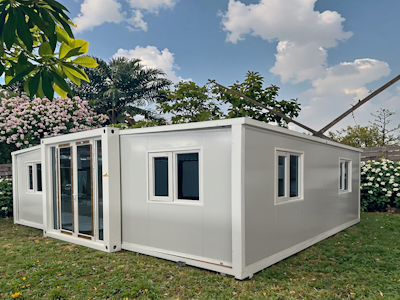
Модульные дома из контейнеров — это сооружения, созданные из стандартных морских контейнеров, которые модифицируются и объединяются для формирования жилых пространств. Эти контейнеры, обычно изготовленные из прочной стали, изначально предназначены для перевозки грузов, но их прочность и модульность делают их идеальными для строительства. Процесс начинается с проектирования, где архитекторы и инженеры разрабатывают планы, используя программное обеспечение для 3D-моделирования. Затем контейнеры доставляются на завод, где их разрезают, утепляют, добавляют окна, двери, электропроводку, сантехнику и отделку. После этого модули транспортируются на строительную площадку и собираются в единую структуру, часто с использованием кранов и другой тяжелой техники.
Этот метод позволяет создавать дома различной конфигурации — от небольших студий до многоэтажных комплексов. Ключевое преимущество заключается в контролируемой заводской среде, которая минимизирует ошибки и задержки,常見ные в традиционном строительстве. Но как именно это влияет на стоимость и качество? И можем ли мы доверять таким домам в долгосрочной перспективе?
Почему модульные контейнерные дома считаются революционными?
Революционный характер модульных домов из контейнеров проистекает из их способности addressing multiple challenges simultaneously. First, они предлагают значительную экономию времени. В то время как традиционный дом может строиться месяцами или даже годами, модульный вариант often completed in weeks. Это не только reduces costs associated with labor and materials but also allows for quicker response to housing crises, such as those caused by natural disasters or rapid urbanization.
Second, эти дома often more affordable. Использование переработанных контейнеров снижает initial material costs, and the efficiency of factory production translates to lower overall expenses. For example, in many regions, a basic container home can cost 20-30% less than a conventional house of similar size. Но is this affordability sustained over time, considering maintenance and energy costs?
Third, модульные дома promote sustainability. By repurposing shipping containers, we reduce waste and the environmental impact of new construction. Additionally, их можно designed to be energy-efficient with features like solar panels, green roofs, and advanced insulation. Это aligns with global trends towards eco-friendly living. Однако, critics argue that the steel production for containers is energy-intensive — does the sustainability benefit outweigh this drawback?
Fourth, гибкость и адаптивность make them ideal for modern needs. Они can be easily expanded, relocated, or modified, catering to changing family sizes or urban plans. Это particularly valuable in dynamic environments. But how does this flexibility impact structural integrity and safety?
Каковы основные преимущества модульных домов из контейнеров?
Преимущества модульных домов из контейнеров multifaceted and compelling. Одним из самых значительных является скорость строительства. Since modules are fabricated off-site, weather delays and other on-site issues are minimized. Это means that projects can be completed up to 50% faster than traditional methods. For instance, in projects like student housing or emergency shelters, this speed can be life-changing.
Cost-effectiveness is another major advantage. The controlled factory environment reduces labor costs and material waste. Moreover, mass production of modules can lead to economies of scale, making housing more accessible to low-income populations. In countries with housing shortages, such as India or parts of Africa, container homes are being explored as a viable solution. Но are there hidden costs, such as transportation or customization, that might negate these savings?
Durability and strength are inherent in container homes. Shipping containers are designed to withstand harsh conditions at sea, so they offer excellent resistance to weather, pests, and even earthquakes when properly engineered. Это делает их suitable for various climates and terrains. Однако, corrosion can be an issue in humid environments — how do we mitigate that?
Экологичность is a growing concern, and container homes score high here. By reusing containers, we reduce the demand for new building materials like concrete and wood, which have high carbon footprints. Additionally, many designs incorporate renewable energy and water-saving features. Но is the overall environmental impact positive when considering the entire lifecycle, from manufacturing to disposal?
Customization and design flexibility allow for unique and modern aesthetics. Architects are pushing boundaries with innovative designs that challenge the stereotype of container homes as bland or industrial. From luxurious villas to minimalist cabins, the possibilities are endless. Но does this customization come at a premium, and how does it affect affordability?
С какими вызовами сталкиваются модульные дома из контейнеров?
Несмотря на преимущества, модульные дома из контейнеров face several challenges that could hinder their widespread adoption. Одним из основных является восприятие и stigma. Many people still view container homes as temporary, low-quality, or associated with poverty. This perception can affect resale value and social acceptance. How can we change this mindset through education and successful case studies?
Regulatory and zoning issues pose another significant hurdle. Building codes in many regions are not designed for container construction, leading to delays and additional costs for approvals. For example, requirements for insulation, fire safety, and structural standards may need adaptation. Are governments and regulatory bodies keeping pace with these innovations, or are they a barrier to progress?
Thermal performance can be a concern. Steel containers conduct heat easily, which can lead to poor insulation if not properly addressed. This requires additional investment in insulation materials, which might increase costs. Однако, with advancements in materials science, solutions like spray foam insulation are becoming more effective. But are they sufficient for extreme climates?
Transportation and logistics can be complex and expensive, especially for remote locations. Moving large modules requires specialized equipment and permits, adding to the overall cost. Кроме того, on-site assembly needs skilled labor, which might not be readily available everywhere. How can we streamline these processes to make container homes more viable globally?
Maintenance and longevity questions persist. While containers are durable, they require regular maintenance to prevent rust and other issues. Additionally, modifications like cutting windows can weaken the structure if not done correctly. What are the best practices for ensuring these homes last decades without major problems?
Как модульные дома из контейнеров влияют на urban development и доступное жилье?
Модульные дома из контейнеров have the potential to transform urban development by addressing housing affordability and density issues. In rapidly growing cities, where space is limited and prices are high, container homes can provide a quick and cost-effective solution. Они can be stacked to create multi-story buildings, maximizing land use. For example, in cities like Amsterdam or Tokyo, container-based projects are already being used for affordable housing and commercial spaces.
This approach can also reduce urban sprawl by promoting vertical growth rather than horizontal expansion, which helps preserve green spaces. Кроме того, the modular nature allows for incremental development, where communities can start small and expand as needed. Но how do we ensure that these developments are integrated seamlessly into existing urban fabrics without causing social or aesthetic disruptions?
For affordable housing, container homes offer a beacon of hope. Organizations and governments are experimenting with them to provide shelter for homeless populations or victims of disasters. The speed of deployment is crucial in such scenarios. Однако, there is a risk of creating segregated or low-quality neighborhoods if not managed properly. What policies are needed to ensure that container homes contribute to inclusive and sustainable urban communities?
In terms of economic impact, the rise of container homes could stimulate new industries around manufacturing, transportation, and design. Это could create jobs and foster innovation. Но are there enough skilled workers to support this growth, and how can training programs be developed?
Каковы инновации и будущие тенденции в этой области?
Инновации в модульных домах из контейнеров are accelerating, driven by technology and changing consumer demands. One emerging trend is the integration of smart home features. Containers can be equipped with IoT devices for energy management, security, and comfort, making them not just homes but connected living spaces. Например, automated climate control systems can optimize energy use based on weather conditions.
Advancements in materials are also key. New coatings and treatments are being developed to enhance durability and reduce maintenance. For instance, anti-corrosion coatings and composite materials are making containers more resilient. Кроме того, 3D printing is being explored to create custom components, further reducing costs and waste.
The concept of circular economy is gaining traction, where containers are designed for multiple lifecycles — from shipping to housing to recycling. Это aligns with global sustainability goals. Но how scalable are these innovations, and what investments are required to bring them to mass market?
Future trends might include hybrid designs that combine containers with other modular elements, or even floating container homes for coastal areas. As climate change increases the frequency of floods, such adaptations could become necessity. Однако, regulatory frameworks will need to evolve to support these innovations.
Collaborations between architects, engineers, and communities are crucial for pushing boundaries. Projects like container hotels, offices, and schools are already showcasing the versatility of this approach. What lessons can we learn from these pioneers, and how can they inspire broader adoption?
Заключение: Являются ли модульные дома из контейнеров настоящей революцией?
В заключение, модульные дома из контейнеров undoubtedly represent a significant shift in how we think about housing. Их способность to offer speed, affordability, sustainability, and flexibility makes them a powerful tool against contemporary challenges. Однако, они are not a panacea; challenges related to perception, regulation, and performance must be addressed for widespread success.
The revolution is not just in the technology itself, but in the mindset change it prompts — towards more efficient, adaptable, and eco-conscious living. As innovations continue and barriers are overcome, container homes could very well become a mainstream option, complementing traditional construction methods.
Ultimately, the question remains: Are we ready to embrace this revolution? The answer lies in continued exploration, collaboration, and a willingness to rethink what makes a house a home. С модульными домами из контейнеров, будущее жилищного строительства выглядит brighter and more inclusive than ever before.
Эта статья aims to provoke thought and discussion. What are your thoughts on container homes? Share your opinions and experiences in the comments below!
Предыдущая страница: Временные офисные контейнеры быстрая установка и комфорт
Следующая страница: Как мобильные контейнеры меняют офисный ландшафт современности
Возвращение