
Какие преимущества у нестандартных размеров контейнерных домов
2025-12-06
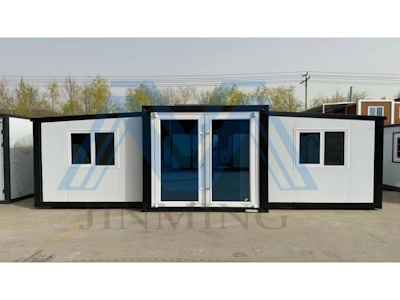
В современном мире, где урбанизация и экологические проблемы становятся все более актуальными, контейнерные дома представляют собой инновационное решение для жилищного строительства. Особый интерес вызывают нестандартные размеры таких домов, которые предлагают уникальные преимущества по сравнению с традиционными подходами. В этой статье мы подробно рассмотрим, почему нестандартные размеры контейнерных домов могут быть выгодны с точки зрения дизайна, экономики, экологии и адаптации к индивидуальным потребностям. Мы также обсудим реальные примеры и будущие тенденции, чтобы показать, как эта концепция может изменить наш подход к жилью.
Введение в контейнерные дома и их эволюцию
Контейнерные дома, изначально созданные из морских контейнеров, стали символом устойчивого и модульного строительства. Их популярность возросла благодаря простоте конструкции, мобильности и возможности переработки материалов. Однако стандартные размеры контейнеров, такие как 20-футовые или 40-футовые, часто ограничивают творческий потенциал архитекторов и владельцев. Нестандартные размеры, напротив, открывают новые горизонты, позволяя создавать дома, которые идеально соответствуют специфическим требованиям и условиям.
Исторически контейнерные дома появились как ответ на нехватку доступного жилья и необходимость быстрого строительства после катастроф. С течением времени они эволюционировали от временных убежищ до постоянных резиденций, офисов и даже художественных пространств. Нестандартные размеры стали естественным развитием этой тенденции, поскольку люди ищут более персонализированные и эффективные решения. Например, в странах с ограниченным пространством, таких как Япония или Нидерланды, нестандартные контейнерные дома позволяют максимально использовать небольшие участки земли, предлагая комфорт и функциональность без компромиссов.
Ключевым аспектом эволюции является технологический прогресс. Современные методы обработки, такие как лазерная резка и 3D-печать, облегчают создание нестандартных размеров, делая их более доступными и надежными. Это не только расширяет возможности для дизайна, но и снижает затраты на производство, поскольку исключает необходимость адаптации стандартных элементов. Таким образом, нестандартные контейнерные дома становятся не просто альтернативой, а полноценным выбором для тех, кто ценит инновации и индивидуальность.
Гибкость и адаптивность дизайна
Одно из главных преимуществ нестандартных размеров контейнерных домов — это беспрецедентная гибкость в дизайне. В отличие от стандартных контейнеров, которые имеют фиксированные габариты, нестандартные варианты позволяют архитекторам и владельцам экспериментировать с формами, размерами и компоновкой. Это означает, что дом можно спроектировать так, чтобы он идеально вписывался в окружающую среду, учитывая топографию, климат и эстетические предпочтения.
Например, в горной местности нестандартный контейнерный дом может быть спроектирован с покатой крышей для лучшего стока снега или с увеличенными окнами для максимизации естественного освещения. В городских условиях нестандартные размеры позволяют создавать многоуровневые конструкции, которые эффективно используют вертикальное пространство, что особенно важно в плотно застроенных районах. Такая адаптивность не только улучшает функциональность дома, но и enhances его визуальную привлекательность, делая его уникальным и современным.
Кроме того, гибкость дизайна способствует лучшей интеграции с существующей инфраструктурой. Нестандартные контейнерные дома можно легко комбинировать с другими модулями, создавая расширяемые жилые комплексы или混合-use пространства (например, жилье combined with retail). Это открывает возможности для сообществ, где дома могут расти и изменяться вместе с потребностями жителей. В долгосрочной перспективе это приводит к более устойчивым и динамичным urban environments, где жилье не является статичным, а evolves to meet changing demands.
Реальные примеры иллюстрируют эту гибкость. В проектах, таких как Container City в Лондоне, нестандартные размеры использовались для создания художественных студий и жилых помещений, которые отражают творческий дух района. Similarly, в Калифорнии, нестандартные контейнерные дома были адаптированы для withstand earthquakes, incorporating flexible joints and custom foundations. These cases show how non-standard sizes enable designs that are not only beautiful but also highly functional and resilient.
Экономическая эффективность и стоимость
Нестандартные размеры контейнерных домов могут предложить значительную экономическую эффективность, особенно при правильном планировании. Хотя первоначальные затраты на customization might be higher than for standard sizes, the long-term savings often outweigh these initial investments. For instance, by optimizing the size to fit specific needs, homeowners can reduce waste materials and minimize energy consumption, leading to lower operational costs.
Одним из key economic benefits is the reduction in transportation and installation costs. Standard containers are designed for shipping, but their fixed sizes may require additional logistics for delivery to remote or difficult-to-access sites. Non-standard sizes can be pre-fabricated to exact specifications, reducing the need for on-site modifications and thus saving time and money. Moreover, because these homes are often modular, they can be assembled quickly, cutting down on labor costs and allowing for faster occupancy, which is crucial in scenarios like disaster relief or rapid urbanization.
Additionally, non-standard container homes can increase property value through unique design and sustainability features. In real estate markets, homes that stand out for their innovation and eco-friendliness often command higher prices. For example, a custom-sized container home with energy-efficient systems like solar panels or rainwater harvesting can attract buyers willing to pay a premium for green living. This not only benefits the owner financially but also promotes a broader adoption of sustainable practices in the housing industry.
Case studies support these economic advantages. In countries like Germany, where modular construction is popular, non-standard container homes have been shown to reduce overall construction costs by up to 20% compared to traditional methods, thanks to efficient manufacturing processes. Similarly, in developing regions, these homes provide affordable housing solutions without sacrificing quality, as they can be tailored to local materials and skills. This democratizes access to good housing, making it a viable option for a wider range of income groups.
Экологичность и устойчивое развитие
Нестандартные размеры контейнерных домов вносят значительный вклад в экологичность и устойчивое развитие. Поскольку они часто используют переработанные морские контейнеры, они помогают reduce waste and lower the carbon footprint associated with new construction. Custom sizes allow for better integration of renewable energy systems, such as solar panels or wind turbines, which can be designed to fit seamlessly into the structure, maximizing energy efficiency.
Важным аспектом является оптимизация использования материалов. Нестандартные размеры позволяют минимизировать отходы при производстве, так как каждый элемент может быть изготовлен точно по размеру, без необходимости обрезки или адаптации стандартных компонентов. Это не только экономит resources but also reduces the environmental impact of manufacturing processes. Furthermore, these homes can be designed with passive solar design principles, where windows and insulation are tailored to the local climate, reducing the need for artificial heating and cooling and thus lowering energy consumption.
Кроме того, нестандартные контейнерные дома promote circular economy practices. They can be easily disassembled and relocated, or even repurposed for different uses, extending their lifecycle and reducing waste. This is particularly relevant in a world where urban sprawl and resource depletion are pressing issues. By choosing non-standard sizes, homeowners and builders contribute to a more sustainable future, where buildings are not just shelters but active participants in environmental stewardship.
Examples of eco-friendly non-standard container homes abound. In Scandinavia, projects have incorporated large glass facades to harness natural light and heat, reducing reliance on fossil fuels. In arid regions, custom sizes have been used to include greywater recycling systems and green roofs, which help conserve water and improve air quality. These innovations demonstrate how non-standard sizes can turn container homes into models of sustainability, inspiring others to adopt similar approaches.
Адаптация к индивидуальным потребностям и комфорт
Нестандартные размеры контейнерных домов excel в адаптации к индивидуальным потребностям, offering unparalleled comfort and personalization. Unlike one-size-fits-all solutions, these homes can be tailored to the specific lifestyle, family size, and preferences of the occupants. For instance, a family with children might opt for larger living spaces and dedicated play areas, while a single professional might prioritize a compact, efficient layout with a home office.
This customization extends to interior design and amenities. Non-standard sizes allow for unique features such as vaulted ceilings, custom-built storage, or integrated furniture that maximizes space utilization. This not only enhances daily comfort but also improves the overall quality of life. In psychological terms, living in a space that reflects one's identity and needs can boost well-being and satisfaction, making the home a true sanctuary rather than just a place to sleep.
Moreover, non-standard container homes can be designed for accessibility, catering to people with disabilities or elderly residents. Features like wider doorways, ramps, and adjustable countertops can be incorporated from the outset, ensuring that the home is inclusive and future-proof. This is a significant advantage over standard designs, which often require expensive retrofitting to meet accessibility standards.
Real-life stories highlight this adaptability. In Australia, a couple built a non-standard container home that includes a rooftop garden and an open-plan living area, perfectly suited for their love of entertaining and outdoor living. In Japan, where space is limited, custom sizes have enabled the creation of micro-homes that feel spacious through clever design, such as multi-functional rooms and vertical storage. These examples show how non-standard sizes transform container homes into highly personalized and comfortable living environments.
Будущие тенденции и инновации
Будущее нестандартных размеров контейнерных домов выглядит promising, с continued innovations in technology, materials, and design philosophy. As awareness of environmental issues grows, more people are likely to embrace these homes for their sustainability benefits. Advances in digital fabrication, such as 3D printing and robotics, will make it even easier to produce custom sizes at lower costs, opening up new possibilities for complex and artistic designs.
One emerging trend is the integration of smart home technologies. Non-standard container homes can be designed with built-in IoT devices for energy management, security, and comfort control, all tailored to the specific layout. This not only enhances convenience but also improves efficiency, as systems can be optimized for the unique characteristics of the home. For example, sensors can adjust lighting and temperature based on room usage patterns, reducing energy waste.
Another area of innovation is in materials science. New composites and sustainable materials, such as bamboo or recycled plastics, are being used to create lighter, stronger, and more eco-friendly containers. Non-standard sizes allow for experimentation with these materials, leading to homes that are not only customizable but also at the forefront of green building practices. This could revolutionize the construction industry, making it more adaptive and less resource-intensive.
Looking ahead, we can expect to see more community-oriented projects using non-standard container homes. For instance, co-housing developments where residents collaborate on design to create shared spaces that foster social interaction. Additionally, as urban populations continue to grow, these homes will play a crucial role in providing affordable, flexible housing solutions that can be quickly deployed in response to crises or demographic shifts. The potential for global impact is immense, from reducing homelessness to mitigating climate change through smarter building practices.
Заключение
В заключение, нестандартные размеры контейнерных домов предлагают множество преимуществ, которые делают их attractive option for modern living. From flexibility in design and economic efficiency to environmental sustainability and personalized comfort, these homes represent a forward-thinking approach to housing. They challenge traditional norms and encourage innovation, while addressing pressing global issues like urbanization and resource conservation.
As we move towards a more sustainable and individualized future, non-standard container homes are poised to become a mainstream choice. By embracing their potential, we can create living spaces that are not only functional and beautiful but also kind to the planet and tailored to human needs. Whether for permanent residence, temporary shelter, or creative ventures, these homes demonstrate that thinking outside the box—or in this case, outside the standard container—can lead to remarkable outcomes.
I encourage readers to explore the possibilities of non-standard container homes and consider how they might fit into their own lives. With the right planning and creativity, these structures can transform the way we think about home, making it a true expression of individuality and sustainability.
Предыдущая страница: Экологичные и доступные дома из модульных контейнеров
Следующая страница: Революция в ритейле: контейнерные единицы меняют все
Возвращение