
Экологичные контейнерные здания будущее строительства
2025-12-07
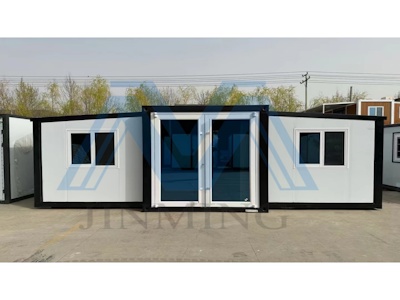
В современном мире, где экологические проблемы становятся все более острыми, строительная индустрия стоит на пороге революции. Традиционные методы строительства часто связаны с высоким потреблением ресурсов, значительными выбросами CO2 и генерацией огромного количества отходов. Однако, есть инновационное решение, которое не только адресует эти проблемы, но и предлагает стильные, функциональные и доступные альтернативы: экологичные контейнерные здания. Эти конструкции, созданные из переработанных морских контейнеров, представляют собой символ устойчивого развития и креативности, открывая новые горизонты для архитектуры и городского планирования.
Контейнерное строительство — это не просто модный тренд; это практичный ответ на глобальные вызовы, такие как изменение климата, урбанизация и нехватка жилья. Используя контейнеры, которые в противном случае могли бы оказаться на свалке, мы не только уменьшаем нагрузку на окружающую среду, но и создаем уникальные пространства, которые могут быть адаптированы для различных нужд — от жилых домов и офисов до школ и гостиниц. В этой статье мы подробно рассмотрим, почему экологичные контейнерные здания становятся будущим строительства, их преимущества, реальные примеры успеха и шаги для внедрения этой технологии в ваши проекты.
Присоединяйтесь к нам в этом путешествии, чтобы открыть для себя, как простые стальные ящики могут трансформироваться в шедевры современной архитектуры, способствуя более зеленому и устойчивому миру. Мы обсудим технические аспекты, экономические выгоды, экологические преимущества и вдохновляющие истории со всего globe. Whether вы архитектор, инвестор, или просто энтузиаст, эта статья предоставит вам все необходимые знания, чтобы понять и embraced эту инновацию.
Что такое экологичные контейнерные здания?
Экологичные контейнерные здания — это конструкции, созданные primarily из морских контейнеров, которые были переработаны и модифицированы для использования в качестве зданий. Эти контейнеры, typically изготовленные из прочной стали, designed для транспортировки грузов по морю, но после их службы в логистике, они often остаются неиспользованными. Instead того, чтобы позволить им ржаветь на свалках, innovators по всему миру превращают их в жилые дома, офисы, retail spaces, и даже общественные учреждения.
Процесс начинается с sourcing контейнеров из портов или компаний, которые more чем happy избавиться от них. Затем, контейнеры очищаются, ремонтируются, и модифицируются: добавляются insulation, windows, doors, electrical systems, и plumbing. Ключевой аспект экологичности заключается в том, что это upcycling — преобразование отходов в нечто ценное, что significantly reduces the need for new construction materials like concrete and steel, which are resource-intensive to produce.
Кроме того, эти здания often incorporate other green features, such as solar panels, rainwater harvesting systems, and energy-efficient appliances, making them not just recycled, but truly sustainable. They can be designed to be modular, meaning they can be easily expanded, reduced, or relocated, offering flexibility that traditional buildings lack. This adaptability is crucial in a rapidly changing world where needs and environments evolve.
История контейнерного строительства dates back to the late 20th century, but it has gained momentum in recent years due to growing environmental awareness and advancements in technology. Pioneers like Adam Kalkin and LOT-EK have demonstrated the artistic potential of these structures, while companies like Container City in the UK and businesses in the Netherlands have shown their practicality for mass housing and commercial use.
In essence, eco-friendly container buildings represent a synergy between sustainability, innovation, and affordability. They challenge the status quo of construction, proving that beauty and functionality can emerge from what was once considered waste. As we move forward, they are set to play a pivotal role in shaping the cities of tomorrow.
Экологические преимущества контейнерного строительства
Одним из самых compelling аргументов в пользу контейнерных зданий является их положительное impact на окружающую среду. Traditional construction is a major contributor to environmental degradation, accounting for approximately 39% of global carbon emissions according to some estimates. In contrast, container buildings offer a path to significantly reduce this footprint.
First and foremost, the use of recycled containers diverts waste from landfills. Millions of shipping containers are sitting idle worldwide, and repurposing them prevents the energy-intensive process of melting them down or allowing them to decompose, which can release harmful substances. By upcycling, we conserve raw materials: building with containers can save up to 80% of the steel and other materials that would be used in a conventional building of similar size.
Moreover, the construction process itself is less disruptive. Container buildings are often prefabricated off-site, which means less noise, dust, and disturbance to local ecosystems during assembly. This modular approach also reduces construction time by up to 50%, leading to lower energy consumption and fewer emissions from machinery and transportation.
Energy efficiency is another critical benefit. With proper insulation—using materials like spray foam or recycled denim—container buildings can achieve high levels of thermal performance, reducing the need for heating and cooling. This, combined with integration of renewable energy sources, such as solar panels on the roof, can make these structures net-zero energy or even energy-positive, meaning they produce more energy than they consume.
Water conservation is also facilitated through systems like greywater recycling and rainwater collection, which are easier to implement in the modular design of containers. Additionally, the durability of steel means these buildings have a long lifespan, and at the end of their use, the materials can be recycled again, creating a circular economy model.
In summary, eco-container buildings embody the principles of reduce, reuse, and recycle. They minimize waste, lower carbon emissions, and promote resource efficiency, making them a cornerstone of sustainable architecture. As climate change accelerates, adopting such practices is not just desirable but essential for a resilient future.
Экономические выгоды и доступность
Помимо экологических преимуществ, контейнерные здания offer significant economic advantages that make them attractive to a wide range of stakeholders, from individual homeowners to large developers. Cost-effectiveness is a major driver behind their growing popularity.
The initial cost of a container building is often lower than that of a traditional structure. This is because the primary material—the container—is relatively inexpensive, especially when purchased used. A standard 20-foot container can cost as little as $2,000 to $4,000, while a 40-foot container might range from $3,000 to $6,000, depending on condition and location. Compared to the costs of foundations, framing, and materials for a conventional building, this represents substantial savings.
Construction costs are also reduced due to the prefabricated nature of containers. Much of the work can be done in a controlled factory environment, which increases efficiency and reduces labor costs. On-site assembly is quick, sometimes taking only a few weeks, which means lower expenses for contractors and less downtime for projects. This speed can be crucial in scenarios like disaster relief or urgent housing needs.
Maintenance costs are generally low because steel containers are designed to withstand harsh conditions, such as saltwater and heavy loads. With proper treatment against rust and corrosion, they can last for decades. Insurance and financing are becoming more accessible as well, as insurers and banks recognize the durability and value of these structures.
For developers, container buildings offer scalability and flexibility. They can be stacked or arranged in various configurations to maximize space usage, making them ideal for high-density urban areas where land is expensive. This modularity allows for phased development, where additional units can be added as demand grows, spreading out investment over time.
Furthermore, the unique aesthetic of container buildings can enhance property value and attract tenants or buyers looking for innovative and sustainable living spaces. In commercial settings, they can serve as pop-up shops, offices, or hotels that generate revenue quickly due to their rapid deployment.
Overall, the economic benefits make container buildings a smart choice for those seeking affordability without compromising on quality or sustainability. As the technology matures and more examples demonstrate success, we can expect even greater cost reductions and broader adoption.
Инновационные проекты и вдохновляющие примеры
По всему миру, architects and visionaries are pushing the boundaries of what container buildings can achieve. These projects not only showcase the versatility of the medium but also serve as inspiration for future developments. Let's explore some notable examples that highlight the potential of eco-container construction.
One iconic project is the Container City in London, UK. Developed by Urban Space Management, this community consists of stacked containers that house offices, studios, and live-work spaces. It demonstrates how containers can be used to create vibrant, multi-use environments in urban settings. The project has been praised for its creativity and sustainability, reducing construction waste and providing affordable spaces for artists and entrepreneurs.
In the Netherlands, the Keetwonen student housing complex in Amsterdam is the largest container-based development in the world. With over 1,000 units, it offers comfortable and modern living for students, addressing housing shortages in a cost-effective and eco-friendly manner. The containers are insulated and equipped with all necessities, proving that such buildings can meet high standards of comfort.
Another inspiring example is the Freitag Flagship Store in Zurich, Switzerland. This retail space is built from stacked shipping containers, reflecting the brand's commitment to sustainability and recycling. The design is not only functional but also visually striking, attracting customers and setting a precedent for green commerce.
For residential use, the Caterpillar House in Chile, designed by Sebastián Irarrázaval, uses containers to create a beautiful home that blends with the natural landscape. The project emphasizes how containers can be adapted for luxury living, with large windows and open spaces that defy the stereotype of cramped container homes.
In disaster-prone areas, container buildings have been used for rapid response. After earthquakes or hurricanes, organizations like ShelterBox deploy container-based shelters that provide immediate, durable housing for affected communities. These structures are easy to transport and assemble, making them ideal for emergency situations.
These examples illustrate that container buildings are not limited to basic shelters; they can be tailored for various functions, from high-end homes to commercial hubs. They encourage innovation in design, materials, and technology, paving the way for a more adaptable and sustainable built environment.
Технические аспекты и challenges
Несмотря на многочисленные преимущества, контейнерное строительство также presents certain technical challenges that need to be addressed for successful implementation. Understanding these aspects is crucial for anyone considering this approach.
First, structural integrity must be ensured. While containers are strong, modifying them—such as cutting openings for windows or doors—can weaken their structure. Engineering calculations are necessary to maintain safety, especially when stacking multiple containers. Reinforcement with additional steel beams or frames may be required, which can add to costs but is essential for compliance with building codes.
Insulation is another critical factor. Steel conducts heat easily, so without proper insulation, container buildings can become too hot in summer and too cold in winter. Solutions include spray foam insulation, which provides a tight seal, or external cladding that adds an extra layer of thermal protection. Choosing eco-friendly insulation materials, such as recycled cellulose or wool, enhances sustainability.
Ventilation and moisture control are also important. Containers are prone to condensation, which can lead to mold and rust. Incorporating ventilation systems, dehumidifiers, and moisture barriers during construction helps mitigate these issues. Additionally, rust prevention through coatings and regular maintenance extends the lifespan of the building.
Electrical and plumbing systems need to be integrated carefully. Since containers have limited space, planning for conduits, pipes, and wiring requires precision. Prefabrication allows for these systems to be installed off-site, reducing on-site complications. It's advisable to work with experienced professionals who understand the nuances of container modification.
Building codes and regulations vary by region, and obtaining permits for container buildings can be challenging in some areas due to perceptions of them as temporary or inferior structures. Educating local authorities and demonstrating compliance with standards for safety, energy efficiency, and aesthetics is key to overcoming bureaucratic hurdles.
Despite these challenges, advances in technology are making container construction easier. Software for design and modeling, improved materials, and growing expertise in the field are reducing barriers. With proper planning and execution, the technical aspects can be managed effectively, leading to successful projects.
Будущее контейнерного строительства и trends
Looking ahead, the future of container buildings is bright, with several trends poised to drive further adoption and innovation. As sustainability becomes a global priority, these structures are likely to evolve in exciting ways.
One emerging trend is the integration of smart technology. Container buildings can be equipped with IoT devices for energy management, security, and comfort control. For example, smart thermostats, lighting systems, and sensors can optimize energy use, making these homes even more efficient. This aligns with the broader move towards smart cities and connected living.
Another trend is the use of advanced materials. Researchers are developing new coatings that enhance durability and insulation, as well as biodegradable composites for interior finishes. These innovations could make container buildings even greener and more comfortable. Additionally, 3D printing might be used to create custom components, further reducing waste and cost.
Modularity will continue to be a key feature. As urban populations grow, the ability to quickly assemble and disassemble buildings will be invaluable for temporary housing, events, or adaptable workspaces. Container structures can be designed for disassembly, allowing materials to be reused multiple times, which supports circular economy principles.
We can also expect to see more large-scale applications. Governments and developers are exploring container-based solutions for affordable housing projects, schools, and healthcare facilities in underserved areas. In disaster resilience, containers may become standard for emergency shelters due to their portability and strength.
Furthermore, aesthetic innovations will blur the line between container buildings and traditional architecture. With creative designs, such as curved surfaces or mixed materials, containers can be transformed into architectural masterpieces that challenge preconceptions. This will help gain broader acceptance and inspire more people to embrace this sustainable option.
In conclusion, container buildings are not just a passing fad; they represent a fundamental shift towards more responsible construction practices. By embracing these trends, we can create a future where buildings are not only functional and beautiful but also in harmony with the planet.
Как начать с контейнерным строительством: практические советы
Если вы заинтересованы в реализации проекта контейнерного здания, вот несколько practical шагов to get started. Whether you're a DIY enthusiast or working with professionals, careful planning is essential for success.
First, define your project's purpose and scope. Determine what you want to build—a home, office, or other space—and consider the size, layout, and budget. Sketch out ideas or use design software to visualize the structure. This will help you communicate your vision to others and identify potential challenges early on.
Next, source your containers. Look for reputable suppliers who can provide containers in good condition. Inspect them for damage, rust, and structural issues. Used containers are cost-effective, but ensure they are safe for modification. You may need to consider transportation costs to your site, which can vary based on distance.
Consult with experts early in the process. Engage architects, engineers, and contractors experienced in container construction. They can help with design, structural calculations, and navigating local building codes. Obtaining permits might require submitting detailed plans that demonstrate compliance with safety and environmental standards.
Plan for utilities and insulation. Decide on the placement of electrical, plumbing, and HVAC systems. Choose insulation materials that suit your climate and sustainability goals. Remember to account for ventilation to prevent moisture problems.
Consider the foundation. Containers can be placed on concrete slabs, piers, or even wheels for mobility. The foundation must support the weight and provide stability, especially if stacking containers.
Finally, think about aesthetics and finishes. Containers can be painted, clad with wood or other materials, and decorated to create a welcoming space. Incorporate green features like solar panels or rainwater systems to enhance sustainability.
By following these steps and learning from existing projects, you can turn your container building dream into reality. Start small if needed, and gradually scale up as you gain experience. The journey may have challenges, but the rewards—both environmental and economic—are well worth it.
Заключение: присоединяйтесь к движению за устойчивое строительство
Экологичные контейнерные здания — это больше чем просто innovative строительная technique; они symbol надежды для более sustainable будущего. By repurposing materials that would otherwise go to waste, we can reduce our environmental impact, save resources, and create beautiful, functional spaces that meet the needs of modern society.
As we face pressing issues like climate change and urbanization, it's clear that business as usual is not an option. Container buildings offer a practical, affordable, and scalable solution that aligns with the principles of circular economy and green design. They demonstrate that sustainability and style can go hand in hand, inspiring a new generation of architects, builders, and homeowners to think differently about construction.
We encourage you to explore this exciting field further. Visit container building projects, connect with communities online, and consider how you might incorporate these ideas into your own life or work. Together, we can build a world where every structure contributes to a healthier planet.
Thank you for reading this in-depth article. We hope it has provided valuable insights and motivated you to be part of the change. The future of construction is green, modular, and creative—and it starts with initiatives like eco-container buildings.
Примечание: Эта статья предназначена для informational purposes и не заменяет professional advice. Всегда консультируйтесь с experts перед началом строительного проекта.
Предыдущая страница: Современный садовый дом из контейнера мечта для эко жизни
Следующая страница: Экологичные и доступные дома из модульных контейнеров
Возвращение