
ЖИЛЫЕ КОНТЕЙНЕРЫ РАСКРЫВАЮТСЯ НОВАЯ ЭРА УДОБСТВА
2025-12-08
В современном мире, где технологии стремительно развиваются, а потребности общества меняются, возникает множество вопросов о будущем жилья. Можем ли мы представить себе дом, который не только экономичен, но и экологичен, мобилен и адаптивен? Как жилые контейнеры могут стать ответом на эти вызовы? Эта статья погрузится в детали, чтобы раскрыть, почему контейнерное жилье открывает новую эру удобства и инноваций.
Введение: Почему жилые контейнеры становятся популярными?
Жилые контейнеры, или модульные дома из морских контейнеров, — это не просто временное решение, а полноценная альтернатива традиционному строительству. Но что именно делает их такими привлекательными? Возможно, это их способность сочетать практичность с эстетикой, или, может быть, их роль в решении глобальных проблем, таких как нехватка жилья и изменение климата. Давайте начнем с основного вопроса: как контейнеры, изначально предназначенные для перевозки грузов, превратились в комфортабельные жилые пространства?
Что такое жилые контейнеры и как они работают?
Что именно представляют собой жилые контейнеры?
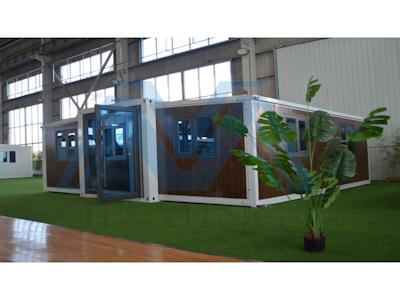
Жилые контейнеры — это переоборудованные морские контейнеры, которые используются для создания жилых помещений. Стандартные контейнеры, обычно изготовленные из прочной стали, имеют размеры около 20 или 40 футов в длину, что делает их идеальной основой для модульного строительства. Но как они преобразуются из холодных металлических ящиков в уютные дома? Процесс включает утепление, установку окон и дверей, электропроводки, сантехники и отделки интерьера. Это не только экономит время, но и позволяет создавать уникальные дизайны, сочетая несколько контейнеров для更大ших пространств.
Как работает модульная конструкция контейнерных домов?
Модульность — ключевое преимущество жилых контейнеров. Контейнеры могут быть собраны на заводе, а затем транспортированы на место установки, что значительно сокращает сроки строительства по сравнению с традиционными методами. Например, пока обычный дом строится месяцами, контейнерный дом может быть готов за недели. Это не только удобно, но и снижает затраты на рабочую силу и материалы. Кроме того, модульность позволяет легко расширять или изменять дом, добавляя новые контейнеры по мере необходимости. Возникает вопрос: может ли такая гибкость стать стандартом для будущего жилья?
Преимущества жилых контейнеров: Почему они удобны?
Каковы основные преимущества жилых контейнеров с точки зрения удобства?
Удобство жилых контейнеров проявляется в нескольких аспектах. Во-первых, скорость строительства: поскольку контейнеры prefabricated (изготовлены заранее), сборка на месте занимает минимум времени, что идеально для срочных жилищных нужд, таких как после стихийных бедствий. Во-вторых, мобильность: контейнеры можно перевозить практически anywhere, making them perfect for temporary housing, vacation homes, or even off-grid living. В-третьих, customizability: interior layouts can be tailored to individual preferences, from open-plan spaces to multi-room setups. But is this convenience overshadowed by any drawbacks? Let's explore further.
Как жилые контейнеры способствуют экономии средств?
Экономическая выгода — один из самых compelling aspects of container homes. Строительство из контейнеров often costs 20-50% less than traditional homes due to reduced labor, materials, and time. For instance, a basic container home might start at around $10,000, whereas a similar traditional home could cost $50,000 or more. Additionally, energy efficiency can lead to lower utility bills over time. However, questions arise: are there hidden costs, such as insulation or permits, that could affect overall affordability? We'll address these later.
Экологическая устойчивость: Являются ли жилые контейнеры зеленым решением?
Насколько экологичны жилые контейнеры?
Жилые контейнеры often hailed as an eco-friendly option because they repurpose used shipping containers, reducing waste and the need for new construction materials. By upcycling, we decrease the environmental impact associated with manufacturing new steel and concrete. Moreover, container homes can be designed with sustainable features like solar panels, rainwater harvesting systems, and green roofs. But is this enough to offset potential issues, such as the energy required for transportation and modification? Studies show that with proper planning, container homes can have a lower carbon footprint than conventional buildings, but it depends on factors like location and design.
Как жилые контейнеры влияют на устойчивое развитие?
Устойчивое развитие is at the heart of the container home movement. These structures promote resource efficiency, reduce landfill waste, and encourage minimalist living, which aligns with global goals like the UN's Sustainable Development Goals. For example, in urban areas, container homes can help address housing shortages without expanding into natural landscapes. Yet, critics ask: do container homes truly support long-term sustainability, or are they just a trendy stopgap? The answer lies in implementation—when done right, they can be a permanent, green solution.
Практические аспекты: Как жить в контейнерном доме?
Каков опыт проживания в жилом контейнере?
Проживание в контейнерном доме can be surprisingly comfortable. With proper insulation, these homes maintain comfortable temperatures year-round, and modern designs incorporate large windows and open spaces to avoid the "boxy" feel. Residents often report lower maintenance costs and a sense of innovation. However, challenges exist, such as potential condensation issues or limited space in single-container units. But with creative design, these can be mitigated. For instance, stacking containers vertically or horizontally allows for spacious layouts. The question is: can container homes provide the same quality of life as traditional homes? Many examples worldwide say yes, from luxury villas to affordable housing projects.
Каковы юридические и regulatory considerations for container homes?
Юридические аспекты can be a hurdle for container home adoption. Building codes and zoning laws vary by region, and some areas may not permit container homes due to safety or aesthetic concerns. It's essential to obtain permits and ensure compliance with local regulations, which might require modifications like fireproofing or structural reinforcements. But as awareness grows, more cities are updating their codes to accommodate innovative housing solutions. This raises the question: how can policymakers support the integration of container homes into mainstream housing?
Будущее жилых контейнеров: Какие тенденции и инновации ожидаются?
Что ждет жилые контейнеры в будущем?
Будущее жилых контейнеров looks promising, with trends pointing towards smart home integration, advanced materials, and scalability. Innovations like 3D-printed components or AI-driven design could make container homes even more efficient and customizable. Additionally, as climate change accelerates, container homes might play a key role in disaster resilience and affordable housing initiatives. But will they become the norm, or remain a niche market? The answer may depend on public perception and technological advancements. For instance, if costs continue to drop and designs become more appealing, container homes could revolutionize the housing industry.
Как жилые контейнеры могут изменить urban development?
Urban development could be transformed by container homes, offering solutions for density and affordability. In cities, container structures can be used for pop-up housing, commercial spaces, or even vertical farms, reducing urban sprawl. This aligns with concepts like tiny home movements and sustainable cities. However, questions about aesthetics and community integration remain. Can container homes be designed to blend seamlessly into existing urban landscapes? Projects in places like Amsterdam or Los Angeles show that with thoughtful design, they can enhance rather than detract from cityscapes.
Заключение: Открывают ли жилые контейнеры новую эру удобства?
В заключение, жилые контейнеры indeed represent a new era of convenience, offering speed, affordability, sustainability, and flexibility. They challenge traditional notions of housing and provide innovative answers to modern problems. While there are obstacles to overcome, such as regulatory hurdles and public acceptance, the potential benefits are immense. As we move forward, it's crucial to continue exploring and refining this concept. So, will you consider a container home for your next living space? The future of housing might just be contained in a steel box.
Ключевые выводы: Жилые контейнеры — это не просто trend, а practical solution that combines convenience with innovation. By addressing questions about cost, sustainability, and livability, they pave the way for a more adaptable and eco-conscious future.
Предыдущая страница: Современный гуманитарный центр в контейнере быстрая помощь в любых условиях
Следующая страница: Превосходное жилище из оцинкованной стали для современной жизни
Возвращение