
Контейнерные центры спасения переворачивают представление о ЧС
2025-12-09
В современном мире, где частота и масштабы чрезвычайных ситуаций (ЧС) растут из-за климатических изменений, техногенных катастроф и социальных кризисов, традиционные методы реагирования становятся недостаточно эффективными. Именно здесь на сцену выходят инновационные контейнерные центры спасения — модульные, быстрые в развертывании и гибкие конструкции, которые кардинально меняют наше представление о том, как справляться с бедствиями. Эта статья подробно исследует, почему эти центры становятся ключевым инструментом в арсенале спасательных служб, как они работают, их преимущества, вызовы и будущее развитие. Мы углубимся в технические аспекты, реальные примеры использования, и то, как они способствуют устойчивости сообществ по всему миру.
Введение в контейнерные центры спасения
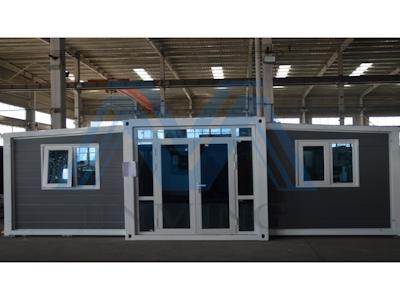
Контейнерные центры спасения — это предварительно собранные модульные единицы, обычно основанные на стандартных морских контейнерах, которые могут быть быстро транспортированы и развернуты в зонах бедствий для предоставления временного жилья, медицинской помощи, логистической поддержки и других услуг. Их концепция возникла из необходимости быстрого реагирования на катастрофы, где время является критическим фактором для спасения жизней. В отличие от традиционных временных сооружений, которые требуют длительного строительства и ресурсов, контейнерные центры могут быть доставлены и функционировать в течение часов или дней, значительно сокращая время отклика. Это не просто контейнеры; они оснащены современными технологиями, такими как солнечные панели, системы фильтрации воды, коммуникационное оборудование и медицинские модули, что делает их самодостаточными и адаптивными к различным сценариям ЧС. Их модульная природа позволяет легко масштабировать операции: от небольших местных инцидентов до крупномасштабных катастроф, таких как землетрясения, наводнения или пандемии. В этой статье мы рассмотрим, как эти центры эволюционировали, их ключевые компоненты, и почему они представляют собой прорыв в управлении чрезвычайными ситуациями.
Исторический контекст и эволюция
Идея использования контейнеров для спасательных операций не нова; она уходит корнями в военную логистику и гуманитарные миссии середины XX века. Однако только в последние десятилетия, с advancements в материалах и технологиях, контейнерные центры стали mainstream решением. В 1990-х годах, после таких катастроф, как землетрясение в Армении или цунами в Индийском океане, стало ясно, что традиционные палаточные лагеря часто не справляются с требованиями: они уязвимы к погодным условиям, требуют много времени для установки и могут способствовать распространению болезней. Это побудило организации, такие как Красный Крест и ООН, экспериментировать с модульными подходами. Ранние версии были простыми контейнерами, переоборудованными под склады или жилье, но со временем они evolved в sophisticated центры с интегрированными системами. Ключевым моментом стало развитие стандартизации: международные стандарты, такие как ISO для контейнеров, позволили обеспечить совместимость и easy transportation. В 2000-х годах, с ростом урбанизации и climate-related бедствий, инвестиции в R&D привели к появлению «умных» контейнеров, оснащенных IoT устройствами, renewable energy источниками и automated системами управления. Сегодня, контейнерные центры являются неотъемлемой частью глобальных стратегий снижения риска бедствий, и их использование продолжает расширяться, благодаря partnerships между governments, NGOs и private sector.
Ключевые компоненты и дизайн
Контейнерный центр спасения — это не просто металлический ящик; это тщательно спроектированная система, состоящая из multiple модулей, каждый из которых выполняет specific функцию. Основные компоненты включают: жилые модули для размещения пострадавших, медицинские модули с оборудованием для first aid и surgeries, санитарные модули с туалетами и душами, логистические модули для хранения supplies, и коммуникационные модули с satellite связью и internet доступом. Дизайн focuses на portability, durability и sustainability. Контейнеры изготавливаются из corrosion-resistant материалов, таких как сталь или алюминий, и могут быть stackable для экономии space. Они often оснащены insulation для thermal control, что critical в extreme climates. Innovation в дизайне включает foldable или expandable structures, которые увеличивают внутреннее space при развертывании. Например, некоторые модели имеют раздвижные walls или rooftop extensions. Energy independence является key feature: многие центры integrate solar panels, wind turbines или generators для autonomous power supply. Water management systems включают rainwater harvesting и purification units, ensuring safe drinking water. Technology integration: IoT sensors monitor conditions like temperature, humidity, and security, while AI algorithms can optimize resource allocation based on real-time data. This modular approach allows for customization: a center can be tailored to specific disaster types, such as adding decontamination units for chemical spills or isolation wards for pandemics. The design also prioritizes human factors, with ergonomic layouts, natural lighting, and spaces for psychological support to reduce stress among survivors.
Преимущества по сравнению с традиционными методами
Контейнерные центры спасения предлагают numerous advantages over traditional emergency response methods, making them a game-changer in disaster management. First and foremost is speed: they can be deployed within 24-48 hours after a disaster, compared to weeks for building permanent structures or even days for setting up tents. This rapid response saves lives by providing immediate shelter, medical care, and supplies. Second, cost-effectiveness: although initial investment might be higher, the reusability and durability of containers reduce long-term costs. They can be stored prepositioned in strategic locations, minimizing transportation expenses during crises. Third, flexibility and scalability: modules can be added or removed as needed, allowing response teams to adapt to changing situations. For instance, in a flood, additional medical modules can be sent, while in a earthquake, more housing units might be required. Fourth, improved safety and hygiene: enclosed structures protect against elements, reduce disease transmission, and offer better security than open camps. They are designed to withstand harsh conditions, such as high winds or earthquakes, thanks to their robust construction. Fifth, technological integration enables better coordination and data-driven decision-making. Real-time monitoring helps in resource management and early warning systems. Additionally, these centers promote sustainability: use of renewable energy and recyclable materials aligns with environmental goals, reducing the carbon footprint of disaster response. Overall, these benefits lead to more efficient and humane crisis management, enhancing community resilience and recovery outcomes.
Реальные примеры и case studies
To illustrate the impact of container rescue centers, let's examine several real-world examples. After the 2010 Haiti earthquake, organizations like Médecins Sans Frontières deployed container-based clinics that provided critical medical services amidst the rubble. These units were operational within days, treating thousands of patients and reducing the strain on local hospitals. In 2015, during the European refugee crisis, Germany used container villages to house asylum seekers; these facilities offered better living conditions than tents, with heating, sanitation, and community spaces, improving morale and integration efforts. In natural disasters like Typhoon Haiyan in the Philippines in 2013, container centers were used for emergency shelters and storage, demonstrating their versatility in typhoon-prone regions. More recently, during the COVID-19 pandemic, container modules were repurposed as testing labs and isolation units worldwide. For example, in Italy, pop-up hospitals made from containers helped overwhelmed healthcare systems by adding bed capacity quickly. In drought-stricken areas of Africa, containerized water purification units have been deployed to provide clean water, preventing diseases. These case studies show that container centers are not limited to one type of disaster; they adapt to various contexts, from natural calamities to humanitarian crises. Success stories often highlight reduced response times, lower mortality rates, and improved coordination among aid agencies. However, challenges like logistics in remote areas or cultural acceptance remain, but overall, the evidence supports their effectiveness.
Технологии и инновации в контейнерных центрах
The evolution of container rescue centers is driven by continuous technological innovations. Smart technologies are at the forefront: IoT sensors embedded in containers monitor environmental conditions, structural integrity, and resource levels, sending data to central command centers for real-time analysis. This allows for predictive maintenance and efficient allocation of aid. AI and machine learning algorithms optimize deployment strategies; for instance, they can predict disaster impacts based on historical data and suggest optimal locations for positioning centers. Renewable energy integration has advanced significantly; solar-powered containers can operate off-grid for extended periods, reducing reliance on fossil fuels. Some designs incorporate energy storage systems like batteries for uninterrupted power. Water innovation includes atmospheric water generators that extract moisture from air, providing drinking water in arid regions. Communication tech: satellite internet and mobile networks ensure connectivity even in disrupted areas, enabling telemedicine and remote coordination. Modular robotics are being explored for automated setup and maintenance, reducing human risk in dangerous zones. 3D printing is used on-site to produce spare parts or custom components, enhancing self-sufficiency. Virtual reality (VR) and augmented reality (AR) are employed for training responders in simulated disaster scenarios, improving preparedness. Additionally, blockchain technology is tested for transparent supply chain management of aid resources, preventing fraud and ensuring accountability. These innovations not only make centers more efficient but also future-proof them against emerging threats, such as cyber attacks or new types of disasters. Collaboration with tech companies and startups accelerates this progress, making container centers a hub of cutting-edge solutions in emergency response.
Вызовы и ограничения
Despite their advantages, container rescue centers face several challenges that need addressing for wider adoption. Logistics is a major hurdle: transporting heavy containers to remote or disaster-stricken areas can be difficult due to damaged infrastructure, such as roads or ports. This requires specialized equipment and coordination, which may not always be available. Cost is another issue; while reusable, the initial investment for high-tech containers can be prohibitive for some organizations or developing countries. Maintenance and storage between uses also incur expenses. Cultural and social factors: in some regions, people may resist using container-based facilities due to perceptions of them being impersonal or temporary, preferring traditional buildings. Ensuring cultural sensitivity in design, such as incorporating local materials or layouts, is crucial. Environmental concerns: although sustainable, the production and disposal of containers have an ecological footprint; efforts are needed to use recyclable materials and minimize waste. Technical limitations: containers may not be suitable for all terrains, such as mountainous or flooded areas, without additional adaptations. Cybersecurity risks arise with increased digitization; protecting data and systems from hacking is essential. Regulatory barriers: international standards vary, and obtaining approvals for deployment can be time-consuming. Finally, human resource challenges: training personnel to operate and maintain these advanced systems requires ongoing education and investment. Addressing these challenges through innovation, partnerships, and policy changes will be key to maximizing the potential of container centers in the future.
Будущее развитие и trends
The future of container rescue centers looks promising, with several trends shaping their evolution. Increased automation: we can expect more autonomous deployment using drones or robots for site assessment and setup, reducing human involvement in risky environments. Integration with smart cities: as urban areas become more connected, container centers could be part of city-wide disaster response networks, linked to IoT infrastructure for seamless coordination. Personalization through AI: centers might use AI to tailor services to individual needs, such as custom medical care based on health data. Advancements in materials science: lighter, stronger, and more sustainable materials will make containers easier to transport and environmentally friendly. For example, biodegradable composites or self-healing materials could extend lifespan. Expansion into new applications: beyond disasters, container centers could be used for temporary housing in urban crises, educational modules in conflict zones, or mobile labs for research. Global standardization efforts will likely intensify, facilitating interoperability between different agencies and countries. Climate adaptation: as climate change increases disaster frequency, container centers will be designed to handle more extreme weather events, such as hurricanes or heatwaves. Public-private partnerships will drive innovation, with companies investing in R&D for commercial and humanitarian benefits. Ultimately, the goal is to create a global network of prepositioned container hubs that can be activated instantly, revolutionizing how we respond to emergencies and making communities more resilient worldwide.
Заключение
В заключение, контейнерные центры спасения представляют собой transformative innovation в области управления чрезвычайными ситуациями, offering speed, flexibility, and technology-driven solutions that overturn traditional notions of disaster response. От их скромных beginnings как simple storage units до sophisticated, multi-functional hubs, они доказали свою value в saving lives и improving recovery outcomes. Несмотря на challenges, такие как logistics и cost, ongoing advancements в technology и collaboration обещают further enhance их capabilities. Как мы move forward, интеграция этих centers в global disaster preparedness strategies будет critical для building a more resilient world. Пусть эта статья вдохновляет на action и investment в эти life-saving tools, ensuring that when disaster strikes, мы готовы respond with efficiency и compassion.
Эта статья предоставляет comprehensive overview, но remember, что успех зависит от continuous innovation и adoption. Спасибо за reading, и давайте работать вместе чтобы сделать мир safer место.
Предыдущая страница: Контейнерные укрытия спасают жизни в чрезвычайных ситуациях
Следующая страница: Расширяемый контейнерный дом будущего жилище
Возвращение