

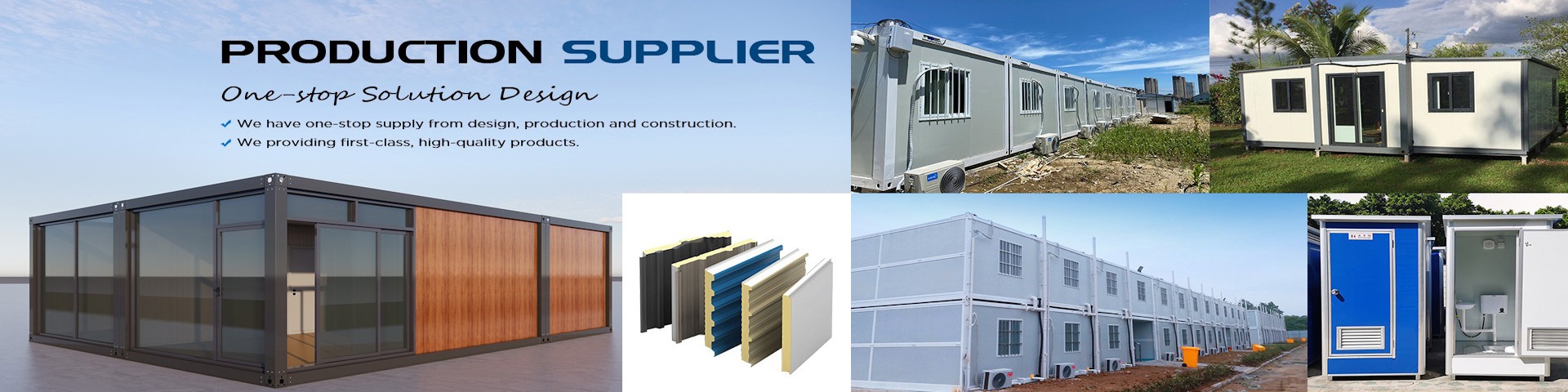
Легкие в сборке контейнерные дома ваше идеальное решение для жилья
2025-12-10
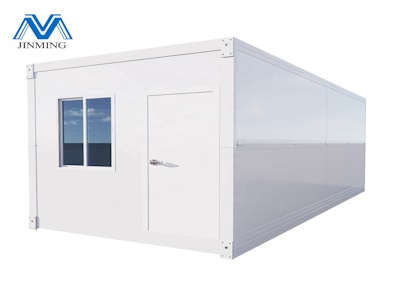
В современном мире, где темп жизни ускоряется, а потребность в доступном и качественном жилье растет, контейнерные дома представляют собой революционный подход к строительству. Эти модульные конструкции, изготовленные из переработанных морских контейнеров, предлагают уникальное сочетание практичности, экономичности и экологичности. В этой статье мы подробно рассмотрим, почему легкие в сборке контейнерные дома становятся все более популярным выбором для людей, ищущих инновационные решения для жилья. Мы обсудим преимущества, процесс сборки, материалы, стоимость, экологические аспекты и реальные примеры реализации, чтобы помочь вам принять обоснованное решение.
Введение в контейнерные дома
Контейнерные дома – это жилые или коммерческие здания, созданные из стандартных морских контейнеров, которые обычно используются для перевозки грузов. Эти контейнеры, изготовленные из прочной стали, обладают высокой прочностью и долговечностью, что делает их идеальной основой для строительства. Идея преобразовать контейнеры в жилые пространства возникла в ответ на растущие проблемы с жильем, такие как высокая стоимость традиционного строительства, нехватка ресурсов и экологические concerns. Сегодня контейнерные дома не только предоставляют affordable housing options, но и открывают новые возможности для дизайна и customization.
История контейнерных домов восходит к середине 20th century, когда контейнеризация revolutionized global trade. Однако их использование в архитектуре стало массовым лишь в последние десятилетия, благодаря pioneers like Adam Kalkin and others who demonstrated the potential of these structures. В России и других странах СНГ интерес к контейнерным домам растет, особенно в urban areas and for temporary or emergency housing. Например, после natural disasters, контейнерные дома могут быть быстро deployed to provide shelter, highlighting their versatility.
Основные характеристики контейнерных домов включают модульность – они состоят из отдельных блоков, которые можно легко комбинировать и расширять. Это позволяет создавать дома различных размеров и конфигураций, от compact studios до spacious family homes. Additionally, the steel structure provides excellent resistance to weather conditions, making them suitable for diverse climates, from cold Siberian winters to hot southern regions.
Преимущества контейнерных домов
Контейнерные дома offer numerous advantages over traditional construction methods. Одним из главных benefits является cost-effectiveness. Стоимость строительства контейнерного дома typically на 20-50% ниже, чем у conventional homes, благодаря использованию готовых модулей и reduced labor costs. For instance, a basic container home can cost as little as 100,000 рублей, while a larger, customized version might range from 500,000 to 2 million рублей, depending on size and features. Это делает их accessible to a wider range of people, including young families, students, and those on a budget.
Another significant advantage is speed of construction. Since the containers are prefabricated, assembly can be completed in a matter of weeks or even days, compared to months for traditional building. This is particularly beneficial for urgent housing needs or for those who want to minimize disruption. For example, a simple container home can be assembled on-site in under a month, whereas a brick-and-mortar house might take six months or more.
Экологичность – еще один ключевой плюс. Контейнерные дома often utilize recycled materials, reducing waste and the carbon footprint associated with new construction. By repurposing used containers, we divert them from landfills and contribute to sustainable practices. Additionally, these homes can be designed with energy-efficient features such as solar panels, insulation, and rainwater harvesting systems, further enhancing their green credentials. Studies show that building with containers can save up to 30% in energy consumption compared to traditional homes.
Гибкость и мобильность также standout features. Контейнерные дома can be easily disassembled and relocated, making them ideal for temporary housing, vacation homes, or even mobile businesses. This flexibility allows owners to adapt to changing needs without the hassle of selling or rebuilding. For instance, if you move to a new city, you can transport your container home with you, saving time and money.
Durability is another strong point. Made from corten steel, containers are designed to withstand harsh conditions at sea, so they are highly resistant to corrosion, pests, and extreme weather. With proper maintenance, a container home can last for decades, often outlasting wooden or brick structures. This makes them a reliable long-term investment.
Despite these advantages, it's important to address potential challenges. Insulation can be an issue in very cold or hot climates, but modern solutions like spray foam or panel insulation effectively mitigate this. Additionally, obtaining permits for container homes might be more complex in some regions due to building codes, but as popularity grows, regulations are becoming more accommodating.
Процесс сборки контейнерных домов
Сборка контейнерного дома involves several key steps, from planning to final touches. It begins with design and customization. You can work with architects or use pre-designed plans to create a layout that suits your needs. Common configurations include single-container homes for small spaces or multiple containers stacked or arranged side-by-side for larger dwellings. Software tools like SketchUp or AutoCAD are often used to visualize the design and ensure structural integrity.
Next, site preparation is crucial. The land must be leveled, and a foundation laid. Options for foundations include concrete slabs, piers, or even wheels for mobility. This step ensures stability and prevents issues like moisture ingress. For example, in areas with high water tables, a raised foundation might be necessary.
The actual assembly phase involves transporting the containers to the site and positioning them according to the design. Cranes or heavy machinery are used to lift and place the containers. Once in place, they are welded or bolted together to form a secure structure. Openings for doors and windows are cut out, and reinforcements are added if needed for large spans or additional floors.
Insulation and interior finishing come next. As mentioned, insulation is critical for comfort. Materials like fiberglass, foam, or natural wool are installed on the walls, ceiling, and floor. Electrical wiring, plumbing, and HVAC systems are then integrated. This phase requires skilled labor to ensure everything is up to code and functional. For instance, in cold climates, double-glazed windows and extra insulation are recommended to maintain warmth.
Finally, the exterior and interior are finished with materials of your choice. Siding, paint, or cladding can be applied to improve aesthetics and protection. Interior walls are often covered with drywall or wood panels, and flooring options range from laminate to tile. The entire process, from start to finish, can be managed by specialized companies, making it hassle-free for homeowners.
To illustrate, consider a case study: a family in Moscow built a two-container home in just three weeks. They started with a design that included an open-plan living area and two bedrooms. After preparing a concrete foundation, the containers were delivered and assembled. Insulation was added using spray foam, and solar panels were installed on the roof. The total cost was around 1.5 million рублей, significantly less than a similar traditional home.
Материалы и технологии, используемые в строительстве
The primary material for container homes is steel, specifically corten steel, which is known for its strength and weather resistance. Containers are typically 20 or 40 feet in length, with standard heights of 8.5 feet, but high-cube containers offer extra headroom at 9.5 feet. The steel walls are about 2-3 mm thick, providing robustness but requiring insulation to prevent thermal bridging.
For insulation, various options are available. Spray polyurethane foam is popular because it fills gaps and provides a high R-value (a measure of thermal resistance). Alternatively, rigid foam boards or natural materials like sheep's wool can be used for eco-friendly builds. In colder regions, combining insulation with thermal breaks—materials that reduce heat transfer—is essential to avoid condensation and energy loss.
Windows and doors are another critical component. They are often made from aluminum or uPVC for durability and energy efficiency. Double or triple glazing is recommended to enhance insulation. For security, reinforced frames and locks are installed.
Interior finishes include drywall for walls, which can be painted or wallpapered, and flooring options such as engineered wood, vinyl, or carpet. For a modern look, exposed steel elements can be left visible, adding an industrial charm. Kitchen and bathroom fixtures are similar to those in traditional homes, with a focus on space-saving designs.
Technological integrations are increasingly common. Smart home systems can be incorporated for lighting, heating, and security control. Renewable energy sources like solar panels or wind turbines can power the home, reducing reliance on the grid. Water-saving fixtures and greywater systems contribute to sustainability.
In terms of innovations, 3D printing is being explored for creating custom components, and modular designs allow for easy upgrades. For example, some companies offer container homes with pre-installed plumbing and electrical systems, further speeding up the assembly process.
Стоимость и экономическая эффективность
Стоимость контейнерного дома varies widely based on size, location, customization, and finishes. On average, a basic single-container home can cost between 100,000 and 300,000 рублей, while a multi-container home with high-end finishes might reach 2-3 million рублей. This is compared to traditional homes, which in Russia can cost from 3 million рублей upwards for a similar size.
Breakdown of costs: The container itself might cost 50,000-100,000 рублей for a used one or more for new. Foundation work adds 50,000-150,000 рублей. Insulation and interior finishing can range from 200,000 to 500,000 рублей depending on materials. Additional expenses include permits, labor, and utilities connection.
Economic benefits extend beyond initial cost savings. Lower maintenance costs due to durable materials mean long-term savings. Energy efficiency reduces utility bills; for instance, well-insulated container homes can cut heating costs by up to 40% in winter. Moreover, the quick assembly time means less lost income from construction delays.
Financing options are available through banks or specialized lenders, though it might be trickier than for traditional homes due to perceived risks. However, as the market matures, more financial products are emerging. Leasing land or using container homes for rental income can also provide economic returns.
Case in point: A project in St. Petersburg used container homes for student housing, reducing construction costs by 30% and offering affordable rents. This not only benefited students but also provided a steady income stream for the developers.
Экологические аспекты и устойчивость
Контейнерные houses are often hailed as a green building solution. By reusing shipping containers, we reduce the demand for new construction materials, which saves energy and resources. The production of new steel is energy-intensive, so repurposing containers cuts carbon emissions significantly. Estimates suggest that building with containers can save up to 3,500 kg of steel per home, equivalent to reducing CO2 emissions by several tons.
Additionally, these homes can be designed for minimal environmental impact. Features like green roofs, which involve planting vegetation on the roof, improve insulation and reduce stormwater runoff. Solar panels and wind turbines enable off-grid living, further decreasing the carbon footprint. Rainwater collection systems can provide water for non-potable uses, conserving municipal water supplies.
Waste reduction is another benefit. Traditional construction generates substantial waste, but container homes utilize existing structures, minimizing debris. Any waste produced during modification can be recycled, such as steel cuttings or insulation scraps.
However, challenges exist. The paint on containers may contain harmful chemicals, so proper stripping and repainting with eco-friendly paints are necessary. Also, insulation materials should be chosen for low environmental impact; for example, avoiding foam with high VOC emissions.
Overall, when done correctly, container homes align with principles of circular economy and sustainable development. They offer a practical way to address housing shortages without exacerbating environmental problems.
Реальные примеры и case studies
Numerous successful container home projects demonstrate their viability. In Russia, a company called «КонтейнерХаус» has built several homes across the country. One example is a family home in Kazan, made from three containers, featuring two bedrooms, a living area, and a modern kitchen. The project was completed in two months and cost 1.8 million рублей, with positive feedback on comfort and design.
Internationally, in the Netherlands, the Keetwonen complex in Amsterdam is the largest container city, providing student housing for over 1,000 people. It showcases how container homes can be scaled for community use. Similarly, in the US, projects like the“Container City” in London have inspired global adoption.
For emergency housing, after the floods in Krasnodar Krai, container homes were deployed to provide quick shelter for affected families. Their mobility allowed for easy relocation once permanent housing was restored.
These examples highlight the versatility of container homes, from luxurious residences to utilitarian shelters. They prove that with creativity and planning, container homes can meet diverse needs effectively.
Заключение и future trends
В заключение, контейнерные дома представляют собой innovative, affordable, and sustainable solution for modern housing. Их advantages in cost, speed, and flexibility make them an attractive option for many. While challenges like insulation and regulations exist, they are manageable with proper planning.
Looking ahead, trends indicate growing adoption. Advances in technology will make container homes even more efficient and customizable. For instance, integration of IoT devices for smart home automation and use of biodegradable materials for insulation are on the horizon. In Russia, government initiatives promoting affordable housing might further boost this market.
We encourage readers to consider container homes for their next housing project. Whether for permanent residence, vacation home, or investment, they offer a practical and eco-friendly alternative. Consult with professionals to explore designs and costs tailored to your needs.
For more information, visit specialized websites or attend workshops on container home construction. Embrace the future of housing with container homes – your ideal solution for comfortable, sustainable living.
Предыдущая страница: Новейшие контейнерные терминалы будущего уже сегодня
Следующая страница: Современные контейнерные решения для эффективного управления границами
Возвращение