
Размышления о контейнерных станционных объектах: преимущества и гибкие возможности
2025-12-10
В современном динамичном мире строительство и инфраструктура постоянно эволюционируют, предлагая инновационные решения для удовлетворения растущих потребностей общества. Одним из таких революционных подходов являются контейнерные станционные объекты — модульные конструкции, основанные на стандартных морских контейнерах, которые находят применение в самых разнообразных сферах: от транспорта и логистики до здравоохранения и образования. Эта статья представляет собой глубокое размышление о преимуществах и гибких возможностях таких объектов, анализируя их с точки зрения экономики, экологии, технологий и будущих перспектив. Мы рассмотрим, как эти структуры не только упрощают строительные процессы, но и способствуют устойчивому развитию, адаптируясь к изменяющимся условиям.
Введение в контейнерные станционные объекты
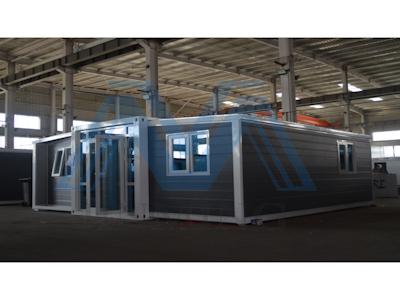
Контейнерные станционные объекты — это сооружения, созданные из модифицированных морских контейнеров, которые могут использоваться как самостоятельные единицы или комбинироваться для формирования более крупных комплексов. Их происхождение связано с глобальной логистикой, где стандартные контейнеры используются для перевозки грузов, но со временем их потенциал был расширен за счет творческого подхода к дизайну и инженерии. Эти объекты характеризуются модульностью, что позволяет быстро собирать и разбирать их, а также транспортировать в различные локации. Ключевые особенности включают прочность, долговечность (благодаря стальной конструкции), и возможность кастомизации под конкретные нужды, такие как офисы, жилые помещения, медицинские пункты или даже выставочные залы.
Исторически, использование контейнеров beyond their original purpose началось в середине 20th века, но настоящий бум пришелся на последние десятилетия, driven by advancements in materials science and a growing emphasis on sustainability. For instance, in the aftermath of natural disasters, container-based shelters have provided quick and reliable housing solutions. Similarly, in urban areas, they are employed for pop-up retail spaces or temporary event venues. The versatility of these structures lies in their ability to be repurposed multiple times, reducing waste and promoting a circular economy. Moreover, the standardization of container sizes (e.g., 20-foot or 40-foot units) simplifies manufacturing and logistics, making them an attractive option for projects with tight budgets or timelines.
In this context, станционные объекты refer to facilities that serve as hubs or stations, such as bus stops, railway waiting areas, or mobile clinics. By integrating container technology, these stations can be deployed rapidly in remote or underserved regions, enhancing accessibility and connectivity. The discussion that follows will delve into the myriad advantages of such approaches, highlighting how они трансформируют традиционные методы строительства и открывают новые горизонты для инноваций.
Преимущества контейнерных станционных объектов
Экономическая эффективность
Одним из наиболее значительных преимуществ контейнерных станционных объектов является их экономическая эффективность. По сравнению с традиционным строительством, которое often involves lengthy processes, high material costs, and labor-intensive activities, container-based structures offer substantial savings. The initial investment is lower due to the reuse of existing containers or mass production of new ones, which are relatively inexpensive. For example, a standard 20-foot container can cost as little as $2,000 to $5,000, whereas constructing a similar-sized building from scratch might require tens of thousands of dollars. Additionally, the modular nature allows for phased development, where projects can start small and expand as needed, reducing upfront capital outlay.
Operational costs are also minimized. Containers are designed to be durable and require minimal maintenance, thanks to their corrosion-resistant coatings and robust frames. Energy efficiency can be enhanced through insulation and solar panel installations, leading to lower utility bills over time. In terms of transportation, their standardized sizes facilitate easy shipping via trucks, trains, or ships, often at reduced freight rates due to compatibility with global logistics networks. A case study from a project in Scandinavia showed that using container stations for public transport hubs cut overall costs by 30% compared to conventional methods, while缩短 сроки реализации на 50%.
Furthermore, the flexibility in financing is notable. Container projects can be leased or rented, providing options for organizations with limited budgets. For instance, a city might deploy temporary container stations during peak tourist seasons and remove them afterward, optimizing resource allocation. This economic agility makes container-based solutions ideal for emerging economies or disaster-response scenarios, where funds are constrained, and speed is critical.
Экологическая устойчивость
В эпоху роста осознания environmental issues, контейнерные станционные объекты emerge as a sustainable alternative to traditional construction. Their primary ecological benefit stems from the reuse of materials. Millions of shipping containers are闲置 globally after their maritime service life, and repurposing them prevents them from becoming scrap metal, thereby reducing landfill waste and the carbon footprint associated with manufacturing new materials. According to estimates, recycling a single container saves approximately 3,500 kg of steel and avoids 7,000 kg of CO2 emissions that would otherwise be generated in production.
Moreover, these structures promote energy efficiency. With proper insulation, green roofs, and renewable energy integrations, such as solar panels or wind turbines, container stations can achieve net-zero energy consumption. For example, a container-based bus station in the Netherlands utilizes photovoltaic cells to power lighting and digital displays, making it self-sufficient. Water management systems, like rainwater harvesting, can also be incorporated, further enhancing sustainability. The modular design allows for disassembly and relocation, minimizing site disturbance and preserving natural habitats during construction and decommissioning.
Lifecycle assessments indicate that container buildings have a lower environmental impact over their lifespan compared to conventional structures. They encourage a circular economy model, where materials are continuously reused, and end-of-life containers can be recycled again. This aligns with global sustainability goals, such as those outlined in the UN's Sustainable Development Goals, particularly Target 11 (sustainable cities and communities) and Target 12 (responsible consumption and production). By adopting container stations, communities can demonstrate commitment to environmental stewardship while meeting functional needs.
Гибкость и адаптивность
Гибкость является cornerstone of container station objects, enabling them to adapt to diverse and changing requirements. The modularity allows for easy customization: containers can be stacked, combined, or configured in various layouts to create spaces of different sizes and functions. For instance, a single container might serve as a ticket booth, while multiple units can form a large waiting area with amenities like restrooms, cafes, or information kiosks. This adaptability is particularly valuable in dynamic environments, such as urban areas undergoing redevelopment or rural regions with fluctuating population densities.
In terms of time efficiency, container stations can be deployed rapidly—often within weeks instead of months or years required for traditional construction. This is crucial for emergency situations, like natural disasters or pandemics, where quick setup of medical stations or shelters is lifesaving. During the COVID-19 crisis, container-based testing centers and vaccination sites were erected worldwide within days, showcasing their responsiveness. Additionally, these objects can be easily modified or expanded; if a station needs to accommodate more users, additional containers can be added without major disruptions.
The portability of containers means that stations can be relocated as needs evolve. For example, a mobile library container might move between neighborhoods to serve different communities, or a seasonal market station can be set up and taken down efficiently. This reduces the risk of obsolescence and maximizes utility over time. Technological integrations, such as IoT sensors for monitoring occupancy or energy usage, further enhance adaptability, allowing real-time adjustments based on data. Overall, the flexibility of container stations makes them a future-proof solution in an uncertain world.
Применение в различных отраслях
Транспорт и логистика
В транспортном секторе контейнерные станционные объекты нашли широкое применение благодаря их способности обеспечивать эффективные и масштабируемые решения. Например, автобусные и железнодорожные станции, построенные из контейнеров, могут быть быстро развернуты в developing areas or during infrastructure upgrades. They serve as waiting areas, ticket offices, and rest stops, enhancing passenger experience while reducing construction downtime. In logistics, container-based warehouses or distribution centers offer temporary storage solutions that can be easily relocated based on supply chain demands. A notable example is the use of container stations at ports for customs checks or temporary offices, streamlining operations and improving throughput.
Additionally, these objects support multimodal transport hubs. By integrating containers with other modular elements, such as bicycle racks or electric vehicle charging stations, they promote sustainable mobility. In smart city initiatives, container stations equipped with digital displays and Wi-Fi provide real-time information to commuters, fostering connectivity. The durability of containers ensures they withstand harsh weather conditions, making them suitable for remote or extreme environments, like Arctic research stations or desert outposts.
Здравоохранение и образование
В сфере здравоохранения контейнерные станционные объекты играют vital role in expanding access to medical services. Mobile clinics built from containers can be deployed in underserved rural areas or during health crises, offering basic healthcare, vaccination drives, or emergency response units. They are equipped with necessary medical equipment and can be sterilized easily, maintaining hygiene standards. During the Ebola outbreak in West Africa, container-based treatment centers were instrumental in containing the disease, providing隔离 facilities that were quick to assemble and disinfect.
In education, container classrooms have become a popular solution for overcrowded schools or temporary learning spaces. They can be used as libraries, science labs, or administrative offices, supporting educational initiatives in disaster-stricken regions or growing communities. For instance, in refugee camps, container schools offer a safe and structured environment for children, promoting continuity in education. The flexibility allows for seasonal adjustments; summer programs or adult education classes can be hosted in these spaces without permanent commitment.
Коммерция и события
Коммерческий сектор leverages container stations for pop-up retail, cafes, and market stalls. Their eye-catching design and mobility attract customers, while low overhead costs make them accessible for small entrepreneurs. Food trucks based on containers, for example, have become a trend in urban gastronomy, offering gourmet experiences in compact spaces. Similarly, at events like festivals or fairs, container stations serve as ticket booths, information points, or vendor stalls, easily setup and removed post-event.
For larger commercial projects, container malls or office complexes provide affordable real estate options. They can be customized with branding and amenities, creating unique consumer experiences. In the tourism industry, container-based guesthouses or eco-lodges offer sustainable accommodation, appealing to environmentally conscious travelers. The versatility here underscores how container stations blur the lines between temporary and permanent structures, driving innovation in business models.
Технологические инновации и будущие тенденции
Технологические advancements are continuously enhancing the capabilities of container station objects. Smart technologies, such as IoT integration, allow for automated climate control, security monitoring, and energy management. For example, sensors can adjust lighting and heating based occupancy, optimizing energy use. 3D printing and prefabrication techniques are being used to create custom fittings and interiors, reducing on-site labor and waste. Additionally, developments in materials science led to lighter, stronger containers with improved insulation properties, expanding their applicability to colder or hotter climates.
Looking ahead, future trends point towards increased digitalization and sustainability. The rise of 5G and AI could enable fully autonomous container stations that adapt in real-time to user needs. Concepts like vertical farming integrated into container stations might emerge, addressing food security in urban areas. Moreover, as circular economy principles gain traction, we may see more partnerships between container manufacturers and recycling industries to create closed-loop systems. The potential for space-efficient, multi-functional stations is vast, with innovations likely to focus on enhancing user experience through augmented reality or interactive interfaces.
Global challenges, such as climate change and urbanization, will drive adoption. Container stations could play a key role in resilient infrastructure, capable of withstanding earthquakes or floods due to their robust design. In summary, the future of container station objects is bright, characterized by smarter, greener, and more adaptable solutions that meet the evolving demands of society.
Заключение
В заключение, контейнерные станционные объекты представляют собой transformative approach to modern infrastructure, offering unparalleled advantages in terms of economy, sustainability, and flexibility. Their ability to be deployed rapidly, customized for various uses, and integrated with technological innovations makes them a valuable asset across multiple sectors. As the world faces increasing pressures from population growth, climate change, and resource constraints, these modular solutions provide a pragmatic path forward. By embracing container-based stations, we can build more resilient, efficient, and inclusive communities. It is imperative for policymakers, engineers, and businesses to explore and invest in these opportunities, ensuring that the benefits are realized on a global scale. The journey towards a smarter future starts with rethinking how we construct and utilize our spaces, and container stations are at the forefront of this revolution.
Ссылки и дополнительная литература могут быть найдены в специализированных изданиях по modular construction and sustainable design.
Предыдущая страница: Что такое современный стиль контейнерных домов
Следующая страница: Экологичный аэропорт в контейнерах будущее уже здесь
Возвращение