

40ФутовыйКонтейнерДомПеревернувшийЖилищныеТрадиции
2025-12-11
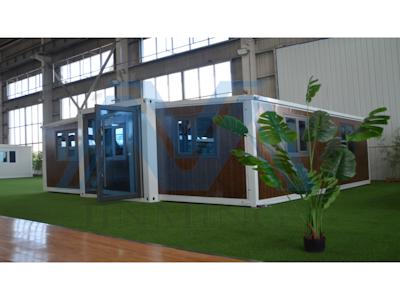
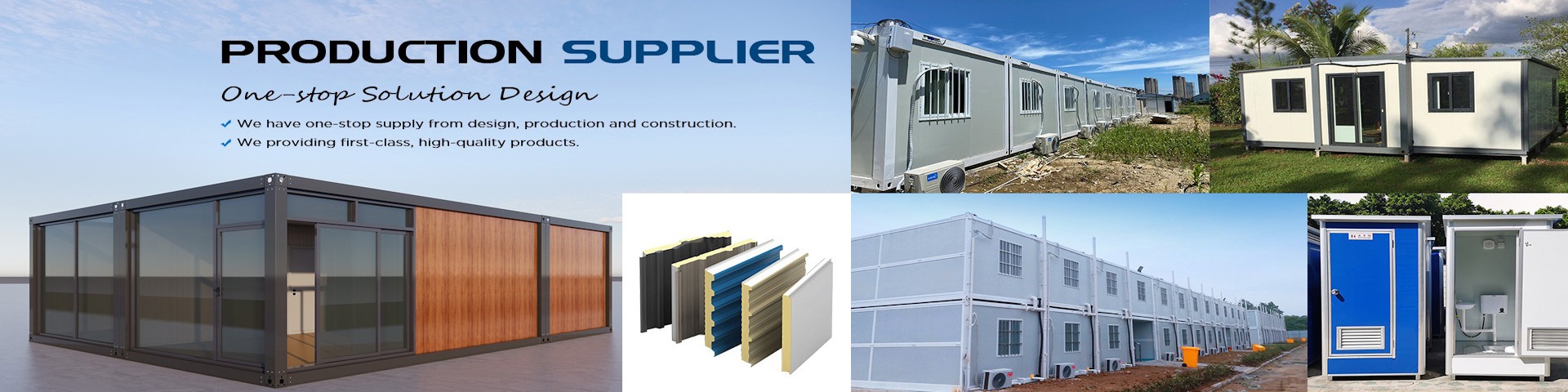
В современном мире, где экология, экономия и инновации становятся ключевыми факторами, традиционные подходы к жилью постепенно уступают место новым, смелым решениям. Одним из таких революционных трендов является использование 40-футовых контейнеров для создания домов. Этот метод не просто предлагает альтернативу, он буквально переворачивает устоявшиеся жилищные традиции, доказывая, что комфорт, стиль и устойчивость могут идти рука об руку. В этой статье мы погрузимся в мир контейнерных домов, исследуя их преимущества, дизайнерские возможности, экологический вклад и то, как они меняют представление о доме для миллионов людей по всему миру.
Введение в концепцию контейнерных домов
Контейнерные дома – это не просто модный тренд, а серьезное архитектурное движение, которое берет свое начало в середине XX века, но набирает обороты только в последние десятилетия. Идея проста: использовать стандартные морские контейнеры, которые обычно служат для перевозки грузов, в качестве строительных блоков для жилых помещений. 40-футовый контейнер, с его размерами примерно 12 метров в длину, 2.4 метра в ширину и 2.6 метра в высоту, становится идеальным кандидатом для такого преобразования. Его прочная стальная конструкция, предназначенная выдерживать суровые условия океанских перевозок, обеспечивает долговечность и безопасность, которые превосходят многие традиционные строительные материалы.
Почему именно контейнеры? Во-первых, это вопрос устойчивости. Ежегодно миллионы контейнеров выходят из эксплуатации и остаются без дела, создавая экологическую проблему. Перепрофилирование их в жилье не только уменьшает отходы, но и сокращает потребность в новых строительных материалах, таких как дерево или бетон, производство которых часто связано с высокими выбросами CO2. Во-вторых, экономичность. Стоимость контейнера значительно ниже, чем стоимость постройки дома с нуля, что делает такое жилье доступным для широкого круга людей, включая молодые семьи, студентов и тех, кто ищет бюджетные варианты.
Но самое интригующее – это гибкость. Контейнеры можно комбинировать, stackировать (ставить друг на друга), резать и модифицировать бесконечным number of ways, allowing for custom designs that range from minimalist tiny homes to luxurious multi-story residences. This adaptability challenges the rigid, one-size-fits-all approach of traditional housing, offering a personalized living experience that evolves with the owner's needs.
Исторический контекст и эволюция
Использование контейнеров в архитектуре началось в 1960-х годах, когда архитекторы и дизайнеры искали инновационные, cost-effective solutions for housing and commercial spaces. However, it wasn't until the early 2000s that the trend gained mainstream attention, thanks to pioneers like Adam Kalkin and his "Quik House" project, which demonstrated the potential of container-based design. Since then, the movement has exploded, with examples popping up worldwide, from urban lofts in New York to off-grid homes in Australia.
В России и странах СНГ интерес к контейнерным домам растет постепенно, driven by factors such as rising real estate prices, a desire for sustainable living, and the influence of global trends. Projects like container hotels in Moscow or experimental homes in Siberia show that this concept is not just a Western phenomenon but has real applicability in diverse climates and cultures.
The evolution has also been technological. Advances in insulation, ventilation, and modular construction techniques have made container homes more comfortable and efficient. For instance, modern insulation materials like spray foam or rigid boards can be easily installed inside containers, addressing concerns about temperature control in extreme weather. Similarly, innovations in windows, doors, and roofing allow for seamless integration with traditional building elements, blurring the line between unconventional and conventional architecture.
Преимущества 40-футового контейнерного дома
Одним из главных преимуществ является скорость строительства. По сравнению с традиционными методами, которые могут занимать месяцы или даже годы, контейнерный дом можно assembled in a matter of weeks. This is because the basic structure is already in place – the container itself – and much of the work involves interior finishing and utilities installation. For people looking to quickly settle into a new home or for emergency housing solutions, this speed is invaluable.
Другой ключевой аспект – мобильность. Контейнеры designed to be transported easily, so a container home can be moved if needed. This is perfect for those who value flexibility, such as digital nomads, military personnel, or anyone anticipating relocation. Imagine having your home shipped to a new location without the hassle of selling and buying property – it's a game-changer in the real estate world.
Экономия затрат также значительна. Стоимость 40-футового контейнера варьируется, но often ranges from $2,000 to $5,000 for a used unit, compared to tens of thousands for traditional building materials. When combined with reduced labor costs and the ability to DIY many aspects, the overall expense can be 20-50% lower than a conventional home. This affordability opens up homeownership to demographics that might otherwise be priced out of the market.
Экологичность – еще одно major advantage. By reusing containers, we reduce the demand for new steel production, which is energy-intensive and polluting. Additionally, container homes can be designed with green features like solar panels, rainwater harvesting systems, and energy-efficient appliances, further minimizing their environmental footprint. This aligns with global efforts to combat climate change and promote sustainable development.
Дизайн и интерьер: Превращение промышленного в уютное
Одна из common misconceptions about container homes is that they are cold, industrial, and uninhabitable. However, with creative design, they can be transformed into warm, inviting spaces that rival any traditional home. The key lies in interior layout and finishes. For a 40-foot container, the interior space is approximately 30 square meters, which is compact but highly functional if optimized properly.
Designers often use open-plan concepts to maximize space. For example, combining the living, dining, and kitchen areas into one cohesive zone can make the home feel larger. Multi-functional furniture, such as sofa beds or fold-down tables, adds versatility. High ceilings – a result of the container's height – can be emphasized with large windows or skylights to bring in natural light and create an airy atmosphere.
Materials play a crucial role in softening the industrial aesthetic. Wood cladding on walls or floors adds warmth, while bright colors and textiles introduce personality. Innovations like modular interiors allow owners to customize their space over time, adapting to changing needs without major renovations. In terms of utilities, modern systems for plumbing, electrical, and HVAC can be integrated seamlessly, ensuring comfort in any climate.
Real-world examples abound. Take the "Container City" in London, where stacked containers form affordable housing and offices with vibrant, community-focused designs. Or consider homes in California that feature rooftop gardens and expansive glass walls, blending indoor and outdoor living. These projects demonstrate that container homes are not just practical but can be stylish and aspirational.
Вызовы и решения
Конечно, контейнерные дома не without challenges. One of the biggest concerns is insulation. Steel is a conductor of heat, so without proper insulation, containers can become too hot in summer and too cold in winter. However, this is easily addressed with modern insulation techniques. Spray foam insulation, for instance, can be applied to the interior walls, providing an effective thermal barrier. Additionally, external cladding or green roofs can further regulate temperature.
Another issue is permits and regulations. In many regions, building codes were not designed with container homes in mind, leading to bureaucratic hurdles. It's essential to work with local authorities and engineers to ensure compliance with safety standards, such as structural integrity, fire resistance, and earthquake preparedness. Thankfully, as the trend grows, more jurisdictions are updating their codes to accommodate alternative building methods.
Коррозия и долговечность – также important considerations. Containers are made of Corten steel, which is resistant to corrosion, but over time, exposure to elements can cause rust. Regular maintenance, such as painting and sealing, can prevent this. Moreover, when properly maintained, a container home can last for decades, comparable to traditional structures.
Психологический барьер – some people may have reservations about living in a "shipping container," associating it with low quality or temporary shelter. Education and showcasing successful projects can help overcome this stigma, highlighting the comfort, durability, and innovation behind these homes.
Будущее контейнерных домов
Будущее выглядит bright for container homes. As technology advances, we can expect even more efficient and customizable designs. For example, 3D printing could be used to create bespoke interior components, while smart home integration will enhance convenience and energy management. In urban areas, where space is scarce, vertical stacking of containers could provide high-density housing solutions that are both affordable and sustainable.
Globally, the push towards circular economy principles will likely boost the popularity of container homes. Governments and organizations are increasingly promoting reuse and recycling, offering incentives for sustainable building practices. In disaster-prone regions, container homes can serve as rapid deployment housing, providing shelter that is both durable and easy to transport.
In Russia and similar climates, adaptations for extreme cold are being developed, such as enhanced insulation and heating systems that make container homes viable year-round. Community projects, like co-housing initiatives using containers, could foster social cohesion and shared resources, addressing issues of loneliness and resource scarcity.
Ultimately, the 40-foot container home represents more than just a building; it's a symbol of innovation, resilience, and a shift towards a more mindful way of living. By challenging traditions, it invites us to rethink what a home can be – not a static possession, but a dynamic, adaptable space that reflects our values and aspirations.
Заключение
В заключение, 40-футовый контейнерный дом – это не просто альтернатива традиционному жилью, а powerful disruptor in the housing industry. It combines sustainability, affordability, and flexibility in a way that few other options can. While challenges exist, they are surmountable with modern technology and thoughtful design. As more people embrace this concept, we may see a fundamental shift in how we build and inhabit spaces, moving towards a future where homes are not only shelters but expressions of creativity and responsibility towards our planet.
Whether you're considering building your own container home or simply curious about the trend, it's clear that this innovation is here to stay. It's time to let go of old prejudices and explore the possibilities – because sometimes, the best ideas come in a steel box.
Предыдущая страница: Контейнерный терминал перегрузки экономит время и деньги
Следующая страница: Современные контейнерные терминалы для вашего порта: повышение эффективности и снижение затрат
Возвращение