
Что такое контейнерный медпункт и как он работает
2025-12-12
В современном мире, где доступность медицинских услуг остается критически важной проблемой, инновационные решения, такие как контейнерные медпункты, играют все более значительную роль. Эти мобильные структуры не только обеспечивают базовую медицинскую помощь в удаленных или пострадавших от катастроф районах, но и демонстрируют гибкость и эффективность в условиях быстро меняющихся потребностей здравоохранения. В этой статье мы глубоко погрузимся в суть контейнерных медпунктов, исследуя их определение, принципы работы, преимущества, недостатки и реальные примеры применения. Мы также обсудим, как они вписываются в глобальные тенденции здравоохранения и почему они становятся неотъемлемой частью медицинской инфраструктуры будущего.
Введение в тему: Почему контейнерные медпункты актуальны сегодня
Здравоохранение – это основа благополучия любого общества, но во многих частях мира доступ к нему ограничен из-за географических, экономических или социальных барьеров. Традиционные больницы и клиники часто требуют значительных инвестиций и времени на строительство, что делает их непригодными для оперативного реагирования на чрезвычайные ситуации или для обслуживания изолированных сообществ. Именно здесь на сцену выходят контейнерные медпункты – модульные, быстровозводимые медицинские объекты, разработанные для предоставления услуг в самых сложных условиях. Их популярность растет благодаря способности сочетать портативность с функциональностью, позволяя развертывать полноценные медицинские пункты за считанные часы.
Исторически, идея мобильной медицины не нова; полевые госпитали использовались веками во время войн и катастроф. Однако современные контейнерные медпункты представляют собой эволюцию этой концепции, интегрируя передовые технологии, экологичные материалы и стандартизированные протоколы. Они не просто временные решения, а часто становятся постоянными или полупостоянными элементами инфраструктуры в регионах с недостаточным медицинским обслуживанием. В эпоху пандемий, таких как COVID-19, их роль стала особенно заметной, поскольку они позволили быстро создавать дополнительные мощности для тестирования, лечения и изоляции пациентов без перегрузки стационарных учреждений.
Кроме того, контейнерные медпункты символизируют более широкий сдвиг в подходе к здравоохранению – от централизованных систем к децентрализованным, ориентированным на сообщества. Это не только повышает доступность, но и способствует устойчивости, снижая зависимость от крупных больниц. В этой статье мы подробно разберем, как устроены эти инновационные структуры, начиная с их базовых компонентов и заканчивая сложными процессами работы. Мы также рассмотрим практические аспекты, такие как стоимость, логистика и нормативные требования, чтобы дать полное представление о их потенциале и ограничениях.
Что такое контейнерный медпункт: Определение и основные характеристики
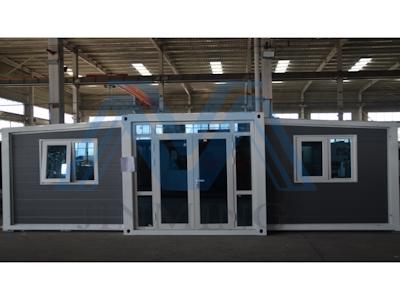
Контейнерный медпункт – это модульное медицинское сооружение, созданное на основе стандартных морских контейнеров или аналогичных сборных конструкций. Он предназначен для предоставления широкого спектра медицинских услуг, от первичной помощи до специализированных процедур, и может быть быстро развернут в различных условиях. Основная идея заключается в использовании унифицированных, транспортабельных блоков, которые легко адаптируются под конкретные нужды, будь то удаленная деревня, строительная площадка или зона бедствия.
Ключевые характеристики контейнерных медпунктов включают:
- Мобильность: Благодаря компактной конструкции и возможности транспортировки грузовиками, поездами или даже вертолетами, они могут быть доставлены практически куда угодно. Это делает их идеальными для оперативного развертывания в кризисных ситуациях.
- Быстрота установки: В отличие от традиционных зданий, которые требуют месяцев или лет строительства, контейнерные медпункты могут быть собраны и готовы к работе за несколько дней или даже часов. Это достигается за счет предварительной сборки компонентов на заводе, что минимизирует работы на месте.
- Адаптивность: Они могут быть настроены для различных медицинских функций – например, как пункты первой помощи, стоматологические кабинеты, лаборатории для анализов или даже небольшие операционные. Модульная природа позволяет комбинировать несколько контейнеров для создания более крупных комплексов.
- Стандартизация: Использование общепринятых размеров (например, 20- или 40-футовых контейнеров) упрощает производство, логистику и обслуживание. Это также обеспечивает совместимость с международными нормами безопасности и здравоохранения.
- Экологичность: Многие современные модели incorporate устойчивые материалы, системы энергоснабжения на солнечных батареях и решения для утилизации отходов, снижая environmental impact.
Контейнерные медпункты не следует путать с простыми палатками или временными сооружениями; они often оснащены изоляцией, системами вентиляции, водоснабжением и электрооборудованием, что позволяет им функционировать в экстремальных климатических условиях. Это делает их надежным решением для долгосрочного использования, а не только для краткосрочных нужд.
Исторически, первые аналоги таких структур появились в военной медицине, но сегодня они находят применение в гражданском секторе. Например, в России и других странах СНГ они используются для обслуживания отдаленных регионов Сибири или при ликвидации последствий природных катастроф. Их популярность также растет в частном секторе – компании развертывают их на промышленных объектах для обеспечения здоровья работников.
В целом, контейнерный медпункт представляет собой синтез инженерии и медицины, направленный на демократизацию доступа к healthcare. Он embodies принципы инноваций и эффективности, которые crucial для应对 современных вызовов, таких as urbanization, climate change, and global health crises.
Как работает контейнерный медпункт: Принципы функционирования и внутреннее устройство
Работа контейнерного медпункта основана на тщательно продуманной организации пространства и интеграции медицинских технологий. Процесс begins с проектирования и производства, где контейнеры адаптируются под specific requirements. Например, стандартный 40-футовый контейнер может быть разделен на зоны для приема пациентов, обследования, процедур и административных функций. Внутреннее устройство typically включает:
- Реception area: Место для регистрации пациентов, often оснащенное компьютером и basic мебелью.
- Examination rooms: Оборудованные кушетками, медицинскими инструментами, и sometimes diagnostic equipment like ultrasound or X-ray machines, если модель позволяет.
- Sanitary facilities: Туалеты и умывальники, integrated с системами водоснабжения и канализации, which may include portable tanks or connections to local infrastructure.
- Storage areas: Для медикаментов, расходных материалов, и equipment, ensuring that supplies are organized and accessible.
- Utility systems: Электропитание (often through generators or solar panels), отопление, кондиционирование, and ventilation to maintain a sterile and comfortable environment.
При развертывании, контейнерный медпункт проходит несколько этапов:
- Transportation: Контейнер доставляется на место using standard logistics networks. Его compact size allows for easy handling, and it can be placed on a prepared foundation or directly on the ground.
- Setup: Upon arrival, the container is positioned and leveled. Connections for electricity, water, and sewage are established if available; otherwise, autonomous systems are activated. For instance, solar panels might be unfolded, and water tanks filled.
- Commissioning: Медицинское оборудование unpacked и calibrated, supplies are stocked, and staff trained on specific procedures. This phase ensures that the facility is ready to receive patients within a short timeframe.
- Operation: Медпункт начинает функционировать, предоставляя услуги such as consultations, vaccinations, minor surgeries, or emergency care. Стандартные протоколы followed to ensure quality and safety, with telemedicine capabilities often integrated for remote consultations with specialists.
- Maintenance and decommissioning: Регулярное обслуживание проводится для поддержания functionality, а после использования контейнер может быть демонтирован, перемещен в другое location, или repurposed.
Ключевым аспектом работы является adaptability. Например, в случае pandemic, контейнерный медпункт может быть быстро converted into a testing center or isolation ward by reconfiguring internal layouts and adding specific equipment like PCR machines. Технологии играют vital role – many units are equipped with IoT devices for monitoring patient vital signs, managing inventory, and ensuring data security.
Эффективность также зависит от персонала. Typically, a small team of healthcare professionals – doctors, nurses, and assistants – operates the facility, with rotations organized to cover extended hours or multiple locations. Training programs are essential to familiarize staff with the unique aspects of container-based care, such as space constraints and mobile systems.
В плане sustainability, современные контейнерные медпункты often incorporate green technologies. Например, использование энергоэффективных LED lighting, систем рекуперации воды, и biodegradable materials reduces the environmental footprint. Это not only lowers operational costs but also aligns with global trends towards eco-friendly healthcare solutions.
Overall, the workflow of a container medical point is a testament to modern engineering and medical innovation, enabling rapid response and high-quality care in diverse settings. It highlights how flexibility and standardization can coexist to address urgent health needs without compromising on standards.
Преимущества контейнерных медпунктов: Почему они становятся популярными
Контейнерные медпункты offer numerous advantages that make them attractive for governments, NGOs, and private entities. These benefits span economic, operational, and social dimensions, contributing to their growing adoption worldwide.
Экономическая эффективность: По сравнению с строительством traditional medical facilities, контейнерные медпункты are significantly cheaper. Costs are reduced due to standardized manufacturing, shorter construction times, and lower labor requirements. For example, a basic unit might cost between $20,000 and $100,000, depending on features, whereas a brick-and-mortar clinic could run into millions. This makes them accessible for budget-constrained regions or for temporary projects where investment in permanent infrastructure is not justified.
Operational flexibility: Their mobility allows for deployment in dynamic environments. They can be moved as needs change – for instance, from a disaster zone to a remote village – maximizing resource utilization. This adaptability is crucial in scenarios like refugee crises or seasonal health campaigns, where demand fluctuates rapidly.
Быстрота развертывания: In emergencies, time is of the essence. Контейнерные медпункты can be operational within days, providing immediate care that can save lives. This rapid response capability was evident during the COVID-19 pandemic, where countries like China and Italy used them to expand testing capacity overnight.
Доступность и inclusivity: By bringing healthcare closer to underserved populations, these units help bridge the gap in medical deserts. They can be placed in rural areas, urban slums, or industrial sites, ensuring that more people have access to basic services like vaccinations, prenatal care, or chronic disease management. This promotes health equity and reduces disparities.
Технологическая интеграция: Modern containers are designed to incorporate advanced medical technologies, such as telemedicine platforms, digital health records, and portable diagnostic tools. This enhances the quality of care and allows for remote supervision by specialists, making them suitable for high-standard medical practices.
Экологическая устойчивость: Many models use recycled materials and renewable energy sources, aligning with global sustainability goals. This not only reduces the carbon footprint but also sets an example for green healthcare infrastructure.
Scalability: The modular nature means that multiple containers can be combined to create larger facilities, such as field hospitals with dozens of beds. This scalability allows for tailored solutions based on population size and medical needs.
Despite these advantages, it's important to note that контейнерные медпункты are not a panacea. They have limitations, such as space constraints that may limit the scope of services, and dependence on external factors like weather or infrastructure availability. However, when used strategically, their benefits far outweigh the drawbacks, making them a valuable tool in the healthcare arsenal.
In summary, the popularity of container medical points stems from their ability to deliver cost-effective, flexible, and rapid healthcare solutions. They represent a pragmatic approach to addressing global health challenges, particularly in eras of uncertainty and rapid change.
Недостатки и вызовы: Ограничения контейнерных медпунктов
Хотя контейнерные медпункты offer significant benefits, они также face several challenges and limitations that must be considered for effective implementation.
Ограниченное пространство: Стандартные контейнеры have fixed dimensions, which can restrict the types of medical procedures that can be performed. For instance, complex surgeries or treatments requiring large equipment may not be feasible. This necessitates careful planning to prioritize essential services and avoid overcrowding.
Зависимость от инфраструктуры: While many units are designed for autonomy, they still often rely on external connections for water, electricity, and waste disposal. In remote or disaster-stricken areas, these utilities may be unavailable, requiring additional resources like generators or water trucks, which can increase costs and logistical complexity.
Климатические challenges: Extreme weather conditions – such as high heat, cold, or humidity – can affect the functionality of medical equipment and patient comfort. Although insulation and HVAC systems are incorporated, they may not always suffice in harsh environments, potentially limiting operational hours or necessitating reinforcements.
Нормативные и юридические вопросы: Развертывание медицинских объектов involves compliance with health regulations, licensing requirements, and safety standards. These can vary by region, creating bureaucratic hurdles. For example, in some countries, container-based facilities might not meet building codes for permanent structures, requiring special permits or adaptations.
Costs of maintenance and logistics: While initial costs are low, ongoing expenses for maintenance, transportation, and staff training can add up. Moving units frequently may lead to wear and tear, necessitating repairs that could offset some of the economic benefits.
Восприятие и acceptance: Some communities may view container medical points as inferior to traditional buildings, potentially affecting patient trust and uptake. Education and community engagement are essential to overcome stigma and ensure that these facilities are utilized effectively.
Безопасность и надежность: In conflict zones or unstable regions, container medical points may be vulnerable to theft, vandalism, or damage. Security measures must be integrated, which can complicate deployment and increase costs.
Despite these challenges, many can be mitigated through innovative design and strategic planning. For instance, using larger or custom-sized containers can address space issues, while partnerships with local authorities can streamline regulatory processes. Additionally, advancements in technology, such as better insulation and renewable energy systems, are continuously improving resilience.
In conclusion, while контейнерные медпункты are not without drawbacks, their advantages often make them a viable option. Understanding these limitations helps in designing more effective solutions and ensures that they are deployed where they can have the greatest impact.
Применение в реальном мире: Примеры и case studies
Контейнерные медпункты have been successfully implemented in various contexts worldwide, demonstrating their versatility and effectiveness. Here are some notable examples:
Чрезвычайные ситуации и катастрофы: During the 2010 Haiti earthquake, organizations like Médecins Sans Frontières deployed container-based clinics to provide emergency care. These units were crucial in treating injuries and preventing disease outbreaks in the aftermath. Similarly, in the wake of natural disasters like hurricanes or floods, they offer a rapid response capability that saves lives.
Удаленные и underserved regions: In countries like Canada and Australia, container medical points are used to serve indigenous communities in isolated areas. For instance, in Northern Canada, mobile clinics bring healthcare to villages that are inaccessible by road for much of the year, providing services like dental care, vaccinations, and chronic disease management.
Пандемия COVID-19: The pandemic highlighted the value of container medical points. In China, temporary hospitals built from containers were erected in Wuhan within days to handle the surge in cases. In Europe, countries like the UK used them for testing centers, allowing for widespread screening without overburdening existing facilities.
Промышленные и corporate settings: Companies in sectors like mining, construction, or oil and gas often use container medical points on-site to ensure worker health and safety. For example, in remote mining operations in Siberia, these facilities provide immediate medical attention, reducing downtime and improving productivity.
Военные применения: Armed forces worldwide utilize container-based medical units for field hospitals during missions. They are designed to be highly mobile and secure, offering surgical capabilities and intensive care in combat zones.
Гуманитарные missions: NGOs such as the Red Cross regularly deploy container medical points in refugee camps or conflict areas. They serve as primary healthcare centers, offering everything from maternal care to mental health services, and are often equipped with telemedicine to connect with experts abroad.
These case studies show that контейнерные медпункты are not just theoretical concepts but practical tools that have proven their worth in diverse scenarios. They enable organizations to deliver healthcare where it is needed most, often under challenging conditions.
Looking ahead, innovations such as AI-driven diagnostics and advanced materials are likely to enhance their capabilities further. For instance, smart containers with integrated sensors could monitor environmental conditions and patient health in real-time, improving outcomes and efficiency.
In summary, the real-world applications of container medical points underscore their role as a critical component of modern healthcare infrastructure, capable of adapting to both routine and crisis situations.
Будущее контейнерных медпунктов: Тренды и инновации
The future of container medical points is bright, driven by technological advancements and evolving healthcare needs. Several trends are shaping their development:
Интеграция искусственного интеллекта и big data: AI can optimize diagnostic processes, predict disease outbreaks, and personalize treatment plans within container settings. For example, machine learning algorithms analyze patient data to identify trends and improve care delivery, making these units smarter and more efficient.
Расширение телемедицины: As telehealth becomes more prevalent, container medical points will increasingly serve as hubs for remote consultations. High-speed internet and video conferencing equipment will allow patients in rural areas to access specialists from around the world, enhancing the quality of care without the need for physical travel.
Устойчивые и green designs: Future models will emphasize sustainability, with features like solar panels, rainwater harvesting, and biodegradable materials. This not only reduces environmental impact but also lowers operational costs, making healthcare more accessible in resource-limited settings.
Customization and modularity: Advances in manufacturing, such as 3D printing, will enable more customized designs tailored to specific medical specialties or cultural preferences. Modular systems will allow for easier expansion and reconfiguration, adapting to changing needs over time.
Улучшенные materials and durability: New materials that are lighter, stronger, and more insulating will enhance the resilience of container medical points. This will allow them to operate in extreme conditions for longer periods, with less maintenance required.
Глобальное partnerships: Collaboration between governments, private companies, and international organizations will drive standardization and scale. Initiatives like the World Health Organization's guidelines for mobile health units could facilitate wider adoption and ensure quality across borders.
These innovations promise to make container medical points even more effective and integral to global health systems. They will likely play a key role in addressing future challenges, such as climate change-induced disasters or new pandemics, by providing agile and scalable solutions.
In conclusion, the evolution of container medical points reflects a broader shift towards innovative, patient-centered healthcare. By embracing technology and sustainability, they are poised to become a cornerstone of medical infrastructure in the 21st century.
Заключение: Значение контейнерных медпунктов для современного здравоохранения
Контейнерные медпункты represent a powerful innovation in healthcare, offering a blend of mobility, efficiency, and accessibility that addresses critical gaps in medical services. From emergency response to routine care in remote areas, they demonstrate how creative engineering can overcome traditional barriers to health access.
Their ability to be deployed rapidly and cost-effectively makes them invaluable in a world facing increasing uncertainties, such as pandemics, natural disasters, and urbanization challenges. While they are not without limitations, ongoing advancements in technology and design are continuously improving their functionality and resilience.
As we move forward, it is essential for stakeholders – including governments, healthcare providers, and communities – to invest in and support the development of container medical points. By doing so, we can build more equitable and responsive health systems that leave no one behind.
In the grand scheme of things, контейнерные медпункты are more than just temporary structures; they are symbols of hope and progress, embodying the spirit of innovation that drives modern medicine forward. Whether in a war zone, a rural village, or a bustling city, they stand as testament to humanity's commitment to health and well-being for all.
Таким образом, embracing и расширяя использование этих units can lead to a healthier, more resilient future, where quality medical care is within reach for everyone, regardless of where they live or what challenges they face.
Предыдущая страница: Ваш идеальный дом в 10-футовом контейнере доступен уже сегодня
Следующая страница: Увеличьте Эффективность Склада С Современными Контейнерными Блоками
Возвращение