

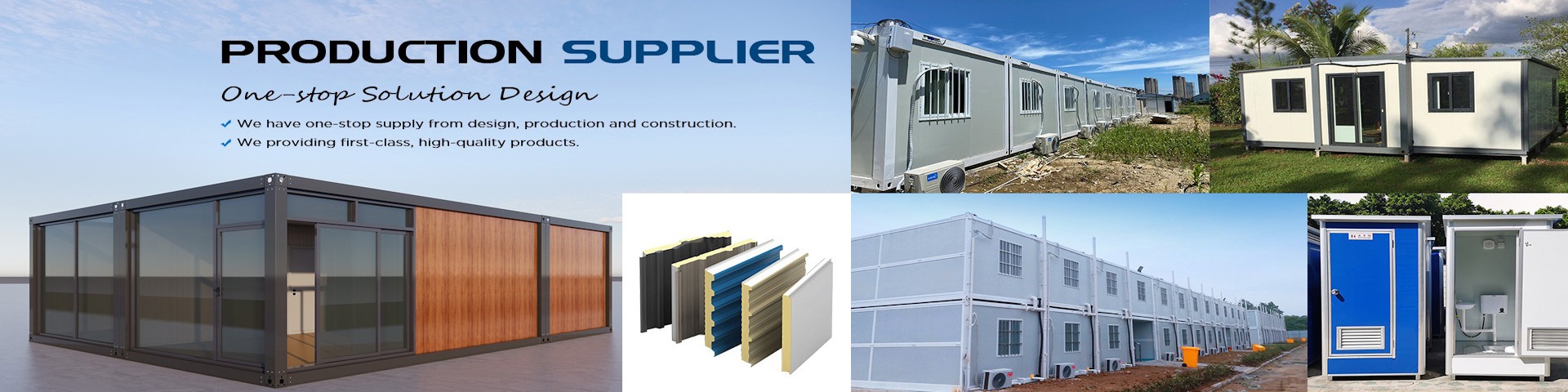
Модный дизайн контейнерных домов будущее жилья
2025-12-14
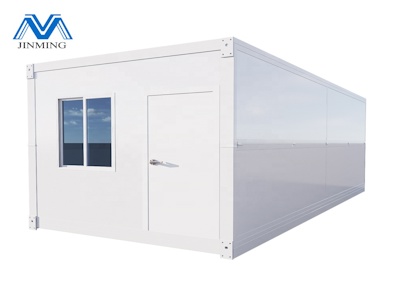
В современном мире, где урбанизация и экологические проблемы становятся всё более актуальными, архитектура и строительство ищут инновационные решения. Одним из таких решений являются контейнерные дома – модульные конструкции, созданные из переработанных морских контейнеров. Они не только предлагают экономичную и быструю альтернативу традиционному жилью, но и становятся символом моды и устойчивого развития. В этой статье мы глубоко погрузимся в мир модного дизайна контейнерных домов, исследуя их преимущества, тенденции, технологии и то, как они формируют будущее жилья.
Введение в контейнерные дома
Контейнерные дома – это жилые пространства, построенные из стальных контейнеров, которые изначально использовались для перевозки грузов морем. Эти контейнеры, часто списанные после многолетней службы, получают вторую жизнь благодаря творческому дизайну и инженерным решениям. Идея использовать контейнеры для жилья возникла в конце 20 века, но настоящий бум произошёл в последние десятилетия, driven by sustainability trends and the need for affordable housing.
История контейнерных домов начинается с 1980-х годов, когда архитекторы и энтузиасты начали экспериментировать с перепрофилированием контейнеров. Одним из первых известных проектов был дом, построенный в США, который показал, что такие конструкции могут быть не только функциональными, но и эстетически привлекательными. С тех пор популярность контейнерных домов растёт, особенно в странах с высокой стоимостью жилья, таких как США, Европа и Австралия.
Ключевые преимущества контейнерных домов включают:
- Экологичность: Использование переработанных материалов снижает углеродный след и способствует circular economy.
- Экономичность: Стоимость строительства часто ниже, чем у традиционных домов, благодаря готовой структуре контейнеров.
- Гибкость: Модульная природа позволяет легко расширять или изменять дом по мере необходимости.
- Быстрота строительства: Сборка может занять недели вместо месяцев, что ideal for emergency housing or rapid development.
Однако есть и вызовы, такие как необходимость качественной изоляции, вентиляции и соответствия строительным нормам. Несмотря на это, инновации в materials and design continuously address these issues, making container homes a viable option for the future.
Модные тенденции в дизайне контейнерных домов
Дизайн контейнерных домов эволюционировал от простых утилитарных структур к sophisticated and stylish living spaces. Сегодня модные тенденции emphasize minimalism, sustainability, and personalization. Let's explore some of the key trends.
Минимализм и современный стиль
Минимализм доминирует в дизайне контейнерных домов, reflecting a broader trend in architecture towards simplicity and functionality. Clean lines, open spaces, and a neutral color palette create a sense of calm and order. Интерьеры often feature large windows to maximize natural light, making the small spaces feel larger and more inviting. Мебель is typically multifunctional, such as sofa beds or foldable tables, to optimize space.
Примеры модных проектов включают дома с стеклянными фасадами, которые blur the line between indoor and outdoor living. This not only enhances aesthetics but also improves energy efficiency by utilizing passive solar heating.
Экологичный дизайн
Sustainability is at the heart of container home design. Модные тенденции include the use of recycled materials beyond the containers themselves, such as reclaimed wood for flooring or countertops. Solar panels, green roofs, and rainwater harvesting systems are integrated to reduce environmental impact. Кроме того, биоклиматический дизайн, который учитывает local climate conditions, is becoming popular to minimize energy consumption.
Например, некоторые дизайнеры incorporate vertical gardens into the exterior walls, not only for beauty but also for insulation and air purification. This trend aligns with the growing consumer demand for eco-friendly homes.
Персонализация и уникальность
В отличие от массового жилья, контейнерные дома offer ample opportunity for customization. Homeowners can choose the layout, finishes, and even the number of containers used. Модные дизайны often feature unique elements like rooftop terraces, sliding walls, or creative storage solutions. This personalization makes each home a reflection of the owner's personality and lifestyle.
Социальные медиа platforms like Instagram and Pinterest have fueled this trend, showcasing stunning container homes that inspire others to think outside the box. Hashtags like #containerhome or #modular design have millions of posts, highlighting the global interest.
Технологическая интеграция
Smart home technology is seamlessly integrated into modern container homes. From automated lighting and climate control to security systems, these features enhance comfort and efficiency. Модные дизайны often include energy-efficient appliances and IoT devices that allow remote monitoring and management.
Это не только удобно, но и соответствует тренду на умные города и устойчивое living. As technology advances, we can expect even more innovations, such as AI-driven design optimization for container homes.
Преимущества контейнерных домов для будущего жилья
Контейнерные дома предлагают numerous benefits that position them as a key component of future housing. Let's delve into these advantages in detail.
Экологическая устойчивость
Одним из главных преимуществ является экологичность. Морские контейнеры, которые otherwise would be scrapped, are repurposed, reducing waste and the demand for new construction materials. According to studies, building a container home can save up to tons of steel and reduce CO2 emissions compared to conventional homes.
Кроме того, модульная construction allows for better resource management. Materials can be prefabricated off-site, minimizing on-site waste and disruption. This approach is aligned with global sustainability goals, such as the UN's Sustainable Development Goals, particularly Goal 11 (Sustainable Cities and Communities).
Доступность и экономия
Контейнерные дома often cost less than traditional homes. The average price for a basic container home can range from $10,000 to $50,000, depending on size and features, whereas a conventional house might cost $200,000 or more. This affordability makes homeownership accessible to more people, especially in urban areas with high real estate prices.
Более того, lower maintenance costs and energy savings from efficient design contribute to long-term economic benefits. Governments and NGOs are increasingly promoting container homes as a solution for affordable housing crises, such as in disaster-prone regions or developing countries.
Гибкость и адаптивность
Модульная природа контейнерных домов allows for easy expansion or reconfiguration. Families can start with a single container and add more as their needs grow. This flexibility is ideal for changing lifestyles, such as remote work or multi-generational living.
In the context of future housing, this adaptability addresses issues like population growth and urbanization. Container homes can be stacked vertically to create high-density living solutions without sacrificing quality of life.
Быстрое строительство
Строительство контейнерного дома can be completed in a matter of weeks, compared to months for traditional homes. This speed is crucial for emergency housing after natural disasters or for rapid urban development. Prefabrication means that much of the work is done in controlled factory environments, ensuring higher quality and faster assembly on-site.
Это преимущество становится increasingly important in a world facing climate change and housing shortages. For example, in areas hit by hurricanes, container homes have been used as temporary shelters that can later be permanentized.
Технологии и инновации в контейнерном домостроении
Развитие технологий играет ключевую роль в evolution of container homes. From advanced materials to digital tools, innovations are making these homes more efficient, comfortable, and stylish.
Современные материалы
Использование high-tech материалов улучшает изоляцию, durability, and aesthetics. For instance, spray foam insulation is commonly used to combat condensation and temperature fluctuations. Additionally, composite materials for exteriors provide better weather resistance and design options.
Новые покрытия, такие как thermal reflective paints, help regulate indoor temperature, reducing energy costs. These materials are often eco-friendly, made from recycled or sustainable sources.
3D-печать и цифровое проектирование
3D-printing technology is being explored for creating custom components for container homes, such as interior partitions or furniture. This allows for precise and cost-effective customization. Digital design tools, like BIM (Building Information Modeling), enable architects to plan and visualize projects in detail, optimizing space and resources.
Эти инновации not only streamline the construction process but also open up possibilities for complex designs that were previously difficult to achieve with traditional methods.
Умные системы
Integration of smart home systems is a major innovation. Solar panels, battery storage, and energy management systems make container homes self-sufficient. Water recycling systems and smart meters further enhance sustainability.
For example, some container homes are designed to be off-grid, relying entirely on renewable energy. This is particularly appealing in remote areas or for those seeking a minimalist lifestyle.
Реальные примеры и case studies
Чтобы проиллюстрировать потенциал контейнерных домов, рассмотрим несколько успешных проектов со всего мира.
Project 1: Container City в Лондоне
Container City в Лондоне – это iconic example of container architecture. Built in the early 2000s, it consists of stacked containers used for offices, studios, and homes. The project demonstrates how containers can create vibrant communities with a modern aesthetic. It has inspired similar projects globally, showing the scalability of this approach.
Project 2: DIY Container Home в США
В США, многие энтузиасты строят свои собственные container homes. One notable case is a family in California who built a beautiful home from multiple containers, featuring an open-plan layout, solar power, and a green roof. Their story went viral on social media, highlighting the DIY potential and affordability.
Project 3: Социальное жилье в Индии
В Индии, контейнерные дома используются для providing affordable housing in urban slums. NGOs have implemented projects where containers are converted into safe and durable homes, addressing overcrowding and poor living conditions. These initiatives show the social impact of container architecture.
Эти примеры underline the versatility of container homes, from luxury residences to humanitarian solutions.
Вызовы и как их преодолеть
Несмотря на преимущества, контейнерные дома face challenges that need to be addressed for widespread adoption.
Строительные нормы и разрешения
Во многих регионах, строительные codes may not fully accommodate container homes, leading to bureaucratic hurdles. To overcome this, advocates are working with governments to update regulations. Education and demonstration projects help show that container homes can meet safety and quality standards.
Изоляция и комфорт
Контейнеры made of steel can be prone to extreme temperatures. Advanced insulation techniques, such as using double walls or phase-change materials, solve this issue. Proper ventilation systems also ensure indoor air quality and comfort.
Восприятие и стигма
Некоторые люди still view container homes as temporary or low-quality. Changing this perception requires showcasing well-designed, luxurious examples. Media coverage and architectural awards play a role in shifting public opinion.
By addressing these challenges through innovation and advocacy, container homes can become a mainstream housing option.
Будущее контейнерных домов
Looking ahead, the future of container homes is bright. Trends suggest increased integration with smart city initiatives, greater use of AI in design, and expansion into new markets like hospitality and retail.
Прогнозируется, что к 2030 году, container homes could account for a significant portion of new housing in urban areas. As technology advances, we might see homes that are entirely prefabricated and assembled by robots, further reducing costs and construction time.
Кроме того, the focus on circular economy will drive more recycling and upcycling of materials, making container homes even more sustainable. Collaborations between architects, engineers, and communities will foster innovative designs that cater to diverse needs.
В конечном итоге, контейнерные houses are not just a trend but a transformative force in housing, offering a blend of style, sustainability, and practicality that defines the future of living.
Заключение
Контейнерные дома represent a revolutionary approach to housing that combines modный дизайн with environmental responsibility. Их преимущества – from affordability to flexibility – make them ideal for the challenges of the 21st century. As we move towards a more sustainable and connected world, these homes will play a crucial role in shaping our living spaces.
Whether you're considering building your own container home or simply intrigued by the concept, it's clear that this innovation is here to stay. Embrace the future of housing with container homes – where style meets sustainability.
Для получения дополнительной информации, посетите специализированные websites или проконсультируйтесь с архитекторами, специализирующимися на контейнерном строительстве. Будущее жилья уже наступило, и оно выглядит модно и экологично!
Предыдущая страница: Революция на дорогах контейнерные пункты сбора платы
Следующая страница: Что такое контейнерный мусорный модуль и как он работает
Возвращение