
Инновационные контейнерные выставочные залы революция в мире презентаций
2025-12-15
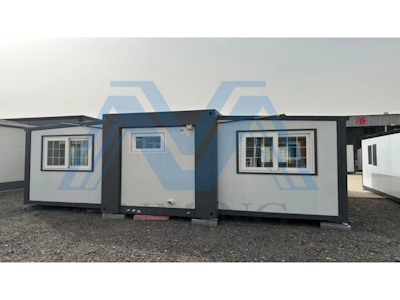
Инновационные контейнерные выставочные залы — это перепрофилированные морские контейнеры, которые преобразованы в современные, мобильные и функциональные пространства для презентаций, выставок и мероприятий. Их популярность растет благодаря уникальному сочетанию прочности, модульности и экологической осведомленности. Но является ли это временным трендом или устойчивым решением для будущего? Давайте разберемся.
Контейнеры изначально разрабатывались для транспортировки грузов, но их стандартизированные размеры (например, 20-футовые или 40-футовые) делают их идеальными для строительства. Они могут быть легко модифицированы с добавлением окон, дверей, систем вентиляции и освещения, создавая комфортные среды для презентаций. Это не просто утилитарные конструкции — они становятся символами инноваций и креативности в архитектуре.
Ключевые преимущества включают мобильность: контейнеры можно транспортировать на грузовиках или поездах, что позволяет проводить выставки в удаленных или временных локациях. Кроме того, их модульная природа позволяет объединять несколько контейнеров для создания крупномасштабных комплексов. Это открывает новые возможности для бизнеса, например, для pop-up магазинов, выставочных стендов на фестивалях или корпоративных мероприятий.
Однако возникают вопросы: насколько надежны эти структуры в экстремальных погодных условиях? Как они справляются с изоляцией и безопасностью? Ответы на эти вопросы лежат в инженерных инновациях, таких как использование утепленных панелей, систем климат-контроля и усиленных фундаментов. Это делает их не только практичными, но и безопасными для длительного использования.
В мире, где устойчивость становится приоритетом, контейнерные залы предлагают экологичное решение, сокращая отходы за счет повторного использования материалов. Но действительно ли они более устойчивы, чем традиционные здания? Это зависит от методов производства и энергоэффективности. Например, если контейнеры оснащены солнечными панелями и системами сбора дождевой воды, их экологический след может быть значительно снижен.
Таким образом, инновационные контейнерные выставочные залы — это не просто временная замена, а продуманная альтернатива, которая бросает вызов conventional архитектуре. Они воплощают дух адаптивности и инноваций, необходимый в быстро меняющемся мире.
Почему мобильность так важна в современных презентациях?
Как мобильность контейнерных залов влияет на эффективность презентаций и вовлеченность аудитории?
В эпоху цифровой трансформации мобильность стала ключевым фактором успеха в бизнесе и маркетинге. Контейнерные выставочные залы предлагают беспрецедентную гибкость: их можно быстро развернуть в любом месте, от городских площадей до сельских регионов, что позволяет охватить более широкую аудиторию. Это особенно важно для брендов, которые хотят создать immersive опыт и напрямую взаимодействовать с клиентами.
Сравните это с традиционными выставочными залами, которые часто требуют долгосрочной аренды и значительных инвестиций в инфраструктуру. Контейнерные решения снижают затраты и время на setup, позволяя компаниям быть более agile в своих маркетинговых стратегиях. Например, во время пандемии COVID-19, когда многие мероприятия перешли в онлайн, мобильные залы предоставили возможность проводить гибридные события, сочетающие физическое и виртуальное присутствие.
Но возникает вопрос: не compromises ли мобильность качество презентаций? Напротив, современные технологии позволяют оснастить контейнеры высококачественным аудио-видео оборудованием, интерактивными дисплеями и даже VR системами. Это означает, что мобильность не только не ухудшает опыт, но и enhances его, делая презентации более динамичными и запоминающимися.
Кроме того, мобильность способствует инклюзивности. Выставочные залы можно доставить в underserved communities, обеспечивая доступ к культурным и образовательным мероприятиям для всех. Это aligns с глобальными trends в устойчивом развитии и социальной ответственности.
Однако challenges remain: logistics транспортировки могут быть complex и costly, особенно для international events. Также, regulatory требования vary в разных странах, что требует тщательного планирования. Но с advances в logistics software и modular design, эти проблемы постепенно решаются.
В конечном счете, мобильность контейнерных залов не просто удобна — она transformative, позволяя businesses и организациям innovate в how они present themselves миру.
Как устойчивость и экологичность играют роль в этой революции?
Являются ли контейнерные выставочные залы truly green solution, или это просто greenwashing?
Устойчивость — это не просто модное слово; это necessity в современном мире. Контейнерные выставочные залы often promoted как экологичные alternatives, поскольку они reuse существующие materials (морские контейнеры), которые иначе могли бы ended up на свалках. This reduces the demand for new construction materials, such as steel and concrete, which have high carbon footprints.
Но чтобы оценить их true экологичность, мы must consider весь lifecycle: от производства и транспортировки до эксплуатации и утилизации. Контейнеры, будучи durable, требуют energy для modifications, such as cutting, welding, and insulating. Если эти processes powered renewable energy, their environmental impact can be minimized. Additionally, features like green roofs, solar panels, and rainwater harvesting systems can make these spaces net-zero or even carbon-positive.
Compare this to traditional buildings: construction of a permanent exhibition hall typically involves significant land use, resource extraction, and long-term energy consumption for heating and cooling. Контейнерные залы, being modular, can be disassembled and reused multiple times, reducing waste. Однако, если not properly maintained, они can deteriorate and require replacement, negating some benefits.
Another aspect is social sustainability: these spaces can be deployed in disaster relief or community projects, providing temporary shelters or educational centers. This adds a layer of social value beyond mere environmental considerations.
Но critics argue that the shipping industry itself is a major polluter, and reusing containers might not offset the initial environmental cost. Also, the insulation and climate control systems in containers can be energy-intensive if not designed efficiently. Therefore, it's crucial to adopt best practices, such as using low-VOC materials, optimizing energy efficiency, and partnering with certified green suppliers.
In conclusion, while container exhibition halls are not perfect, they represent a step towards more sustainable practices in the events industry. With continuous innovation, they can become a benchmark for eco-friendly design.
Какие технологические инновации интегрируются в эти залы?
How do technologies like IoT, AI, and augmented reality enhance the functionality and appeal of container exhibition halls?
Технологии являются двигателем innovation в container exhibition halls. IoT (Internet of Things) devices can be embedded to monitor temperature, humidity, and security in real-time, ensuring optimal conditions for exhibits and visitors. For example, sensors can alert organizers to potential issues like overheating or unauthorized access, allowing for proactive maintenance.
AI (Artificial Intelligence) can personalize the visitor experience by analyzing data on preferences and behaviors. Imagine an AI-powered guide that recommends exhibits based on your interests or provides interactive quizzes to engage audiences. This not only makes presentations more engaging but also provides valuable analytics for businesses to refine their strategies.
Augmented Reality (AR) and Virtual Reality (VR) are game-changers. With AR, visitors can use their smartphones to overlay digital information onto physical exhibits, creating immersive storytelling experiences. VR can transport them to virtual worlds, ideal for product demonstrations or historical recreations. In container halls, these technologies can be seamlessly integrated due to their modular nature, allowing for flexible setups that adapt to different themes.
Moreover, smart lighting and audio systems can be controlled via apps, enabling dynamic environments that change throughout the day. For instance, lighting can shift to create different moods for morning presentations versus evening events. Energy management systems powered by AI can optimize power usage, reducing costs and environmental impact.
But challenges include the cost of implementing these technologies and ensuring they are user-friendly. Also, cybersecurity risks must be addressed to protect sensitive data. However, as technology becomes more affordable and accessible, these innovations are becoming standard in high-end container halls.
Ultimately, the integration of technology transforms container exhibition halls from simple spaces into intelligent, interactive hubs that captivate audiences and drive engagement.
Как дизайн и эстетика влияют на восприятие презентаций?
Does the industrial aesthetic of containers enhance or detract from the professional image of presentations?
Дизайн играет crucial role в том, как воспринимаются презентации. Контейнерные залы often feature industrial-chic aesthetic with exposed steel, raw finishes, and minimalist lines. This can create a modern, innovative vibe that resonates with audiences seeking authenticity and creativity. For brands in tech, art, or sustainability, this aesthetic can strengthen their message and differentiate them from competitors.
However, if not carefully designed, the industrial look might come across as cold or uninviting. To counter this, designers incorporate elements like warm lighting, natural materials (e.g., wood accents), and vibrant colors to soften the space. Custom graphics, murals, and modular furniture can transform a container into a welcoming environment that encourages interaction and exploration.
The flexibility of container design allows for endless customization. They can be stacked, arranged in unique configurations, or even combined with other structures to create iconic landmarks. For example, some projects use containers to build multi-level exhibition spaces with rooftop gardens or viewing platforms, enhancing the overall experience.
From a psychological perspective, well-designed spaces can improve focus and retention among visitors. Studies show that environments with good lighting, comfortable seating, and intuitive layouts lead to higher engagement levels. In container halls, the compact size forces designers to be efficient with space, often resulting in innovative solutions that maximize functionality without sacrificing aesthetics.
But there are considerations: the acoustics of metal containers can be challenging, requiring sound-absorbing materials to prevent echoes. Also, accessibility must be ensured with ramps and wide doors for people with disabilities. With proper planning, these issues can be mitigated, making the design both beautiful and practical.
In summary, the design of container exhibition halls is not just about looks; it's about creating an atmosphere that enhances the narrative of the presentation and leaves a lasting impression on attendees.
Каковы экономические преимущества для businesses?
Are container exhibition halls cost-effective compared to traditional venues, and what ROI can businesses expect?
Экономические benefits are a major driver behind the adoption of container exhibition halls. Firstly, the initial investment is often lower than constructing a permanent building. Containers can be purchased or leased at a fraction of the cost, and modifications are relatively inexpensive due to their standardized size. This makes them accessible for small businesses and startups that might not have large budgets for marketing events.
Operational costs are also reduced. Their mobility means companies can avoid long-term rental fees for fixed locations. Instead, they can pop up at high-traffic areas for short periods, maximizing exposure without committing to expensive leases. Additionally, energy-efficient designs with LED lighting and solar power can lower utility bills.
ROI (Return on Investment) can be significant. By reaching new audiences through mobile setups, businesses can generate more leads and sales. For example, a company using a container hall at a festival might attract thousands of visitors who otherwise wouldn't have engaged with the brand. The novelty factor alone can drive social media buzz and free publicity.
Moreover, these halls can be repurposed for multiple events, extending their lifecycle and further improving ROI. After an exhibition, a container might be converted into a retail space or office, providing ongoing value. This versatility reduces waste and increases asset utilization.
However, there are hidden costs to consider, such as transportation, insurance, and maintenance. Also, the perceived value might be lower if the space feels cheap or temporary. To overcome this, businesses should invest in high-quality finishes and professional staffing to ensure a premium experience.
Overall, container exhibition halls offer a scalable and affordable solution that can deliver strong economic returns, especially in dynamic markets where agility is key.
Какие вызовы и limitations существуют?
What are the potential drawbacks and how can they be addressed to ensure success?
Несмотря на много advantages, container exhibition halls face several challenges. One major limitation is size constraints: standard containers are relatively small, which might not suffice for large-scale events. This can be mitigated by combining multiple containers, but it requires careful planning and can increase costs and complexity.
Climate control is another issue. Metal containers can heat up quickly in sun or become cold in winter, necessitating robust HVAC systems. In extreme climates, this can lead to high energy consumption if not designed efficiently. Solutions include using advanced insulation materials, passive solar design, and renewable energy sources to maintain comfort sustainably.
Regulatory hurdles vary by region. Building codes, zoning laws, and safety regulations might not always accommodate container structures, leading to delays or additional costs. Engaging with local authorities early in the planning process and ensuring compliance with standards is essential. Some countries have embraced container architecture, while others are still catching up.
Perception can be a barrier. Some clients or visitors might view container halls as inferior to traditional venues. Education and marketing are key to changing this mindset—highlighting successful case studies and emphasizing the innovation and sustainability aspects.
Logistics involve transportation and setup, which require specialized equipment and expertise. Poor logistics can lead to delays or damage. Partnering with experienced contractors and using modular designs that simplify assembly can alleviate these issues.
Lastly, durability: while containers are built to withstand harsh conditions, they require regular maintenance to prevent rust and wear. Using protective coatings and conducting routine inspections can extend their lifespan.
By addressing these challenges proactively, businesses can harness the full potential of container exhibition halls and turn limitations into opportunities for innovation.
Как будущее выглядит для контейнерных выставочных залов?
What trends and innovations will shape the future of container-based presentation spaces?
Будущее container exhibition halls is bright, driven by ongoing innovations and shifting societal values. One emerging trend is the integration of biophilic design, incorporating natural elements like plants and water features to create healthier, more inviting spaces. This aligns with the growing emphasis on well-being and sustainability.
Advancements in materials science will lead to lighter, stronger, and more eco-friendly containers. For instance, the use of recycled composites or smart materials that change properties based on environmental conditions could revolutionize design possibilities.
Digital twins and BIM (Building Information Modeling) will enable better planning and customization. Organizers can create virtual models of their container halls to test layouts, lighting, and flow before implementation, reducing errors and costs.
The rise of the experience economy means that container halls will increasingly focus on creating memorable, shareable moments. Expect to see more interactive installations, gamification, and personalized experiences powered by data analytics.
Globally, as urbanization continues, space constraints will make mobile and modular solutions more attractive. Container halls could become commonplace in smart cities, serving as pop-up community centers, classrooms, or healthcare facilities beyond just exhibitions.
However, the industry must navigate challenges like standardization and scalability. Developing universal standards for container modifications could streamline production and reduce costs. Also, as demand grows, supply chain issues might arise, requiring innovative sourcing strategies.
In conclusion, container exhibition halls are poised to evolve from niche solutions to mainstream options, continually adapting to meet the needs of a dynamic world. Their ability to blend creativity, sustainability, and technology ensures they will remain at the forefront of the presentation revolution.
Заключение: Революция уже здесь?
So, are innovative container exhibition halls truly revolutionizing the world of presentations, or is it just hype?
После глубокого analysis, можно confidently сказать, что инновационные контейнерные выставочные залы indeed represent a revolution в мире презентаций. Они offer unmatched mobility, sustainability, and creativity, challenging traditional norms and enabling new forms of engagement. While not without challenges, their benefits in cost-effectiveness, flexibility, and environmental impact make them a compelling choice for forward-thinking businesses and organizations.
Ключ к success lies in embracing innovation—leveraging technology, thoughtful design, and best practices to overcome limitations. As the world continues to prioritize agility and sustainability, container halls will likely become integral to how we present ideas and connect with audiences.
So, the next time you see a container transformed into a stunning exhibition space, ask yourself: isn't this the future of presentations? The answer seems to be a resounding yes.
Спасибо за чтение! Если у вас есть вопросы или thoughts, поделитесь ими в comments—давайте continue this conversation о revolution в презентациях.
Предыдущая страница: Долговечный контейнерный дом для жизни на века
Следующая страница: Современные мобильные будки из морского контейнера
Возвращение