

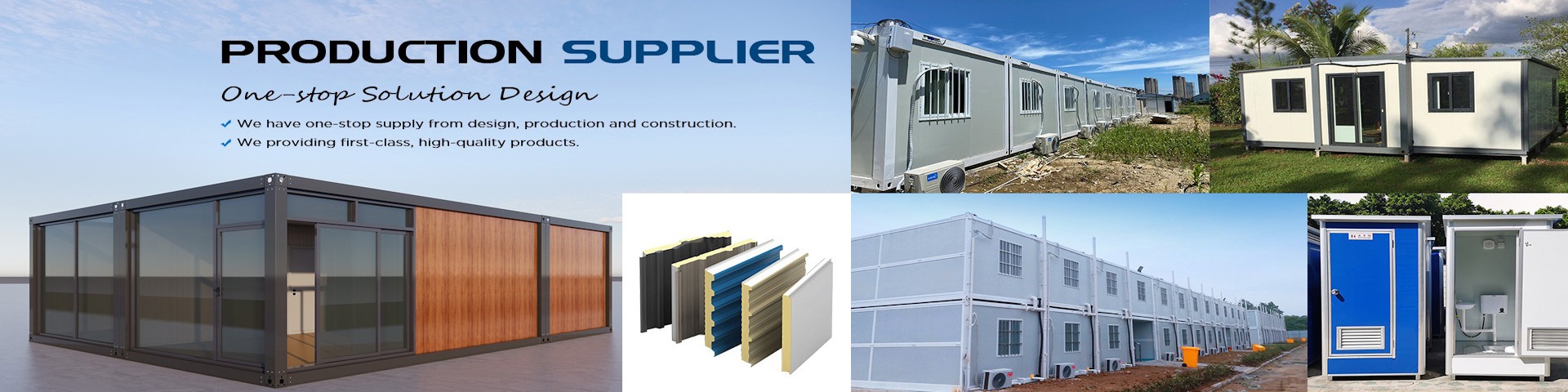
Экологичные Дома из Контейнеров Будущее Строительства
2025-12-16
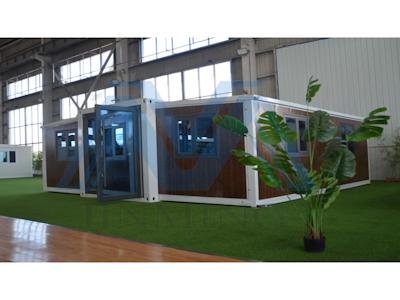
В современном мире, где экологические проблемы становятся все более актуальными, строительная индустрия ищет инновационные и устойчивые решения. Одним из таких прорывов являются дома из контейнеров — не просто тренд, а реальное будущее строительства, сочетающее в себе экологичность, экономичность и креативный дизайн. В этой статье мы глубоко погрузимся в тему, exploring how recycled shipping containers are transforming into beautiful, functional homes that reduce environmental impact and promote a greener lifestyle.
Введение в Контейнерное Строительство
Контейнерные дома, или как их часто называют, "cargotecture", возникли как ответ на растущую потребность в устойчивом жилье. Морские контейнеры, изначально designed for transporting goods across oceans, now find a second life as building blocks for residences. This not only diverts waste from landfills but also leverages the durability and modularity of these steel structures. The concept gained momentum in the early 2000s, with pioneers like Adam Kalkin and LOT-EK leading the way, showcasing how containers can be stacked, cut, and combined to create unique architectural masterpieces.
Why containers? Firstly, they are abundant. Millions of shipping containers sit idle in ports worldwide, often after a single use, making them a cheap and readily available resource. Secondly, their strength is unparalleled — built to withstand harsh marine conditions, they offer excellent structural integrity for buildings. By repurposing them, we reduce the demand for new construction materials like concrete and steel, which are energy-intensive to produce. This aligns perfectly with the principles of circular economy, where waste is minimized, and resources are reused efficiently.
Экологические Преимущества Контейнерных Домов
Одним из ключевых аспектов, делающих контейнерные дома экологичными, является их contribution to sustainability. Let's break down the environmental benefits:
- Сокращение отходов: Переработка контейнеров предотвращает их накопление на свалках, где они могли бы разлагаться веками или require energy-intensive recycling processes. By using them as buildings, we give them a new purpose, reducing the overall waste footprint.
- Энергоэффективность: Контейнеры can be insulated and modified to achieve high energy efficiency. With proper design, such homes can incorporate solar panels, green roofs, and passive heating/cooling systems, significantly lowering energy consumption compared to traditional buildings.
- Снижение углеродного следа: Production of new building materials emits substantial CO2. By reusing containers, we avoid these emissions. Studies show that constructing a container home can reduce carbon footprint by up to 30-40% compared to a conventional home of similar size.
- Устойчивость ресурсов: This approach promotes the use of existing materials, conserving natural resources like timber and minerals, which are often exploited in traditional construction.
For instance, a typical 40-foot container weighs about 3,800 kg, and repurposing it saves approximately 3,000 kg of steel from being produced anew, equivalent to avoiding around 8,000 kg of CO2 emissions. This makes container homes a powerful tool in the fight against climate change.
Дизайн и Архитектурные Инновации
Контейнерные дома — это не только про экологию, но и про creativity and innovation in design. Architects and designers have pushed the boundaries, transforming bland steel boxes into stunning living spaces. The modular nature of containers allows for endless configurations: single-container studios, multi-container family homes, or even large commercial complexes.
Key design considerations include:
- Модульность: Containers can be easily stacked or arranged in various patterns, enabling flexible floor plans and scalability. This is ideal for urban infill projects or remote areas where traditional construction is challenging.
- Интеграция с природой: Many designs incorporate large windows, skylights, and outdoor spaces to blend with the environment. Green roofs and vertical gardens can be added to enhance biodiversity and insulation.
- Интерьерные решения: Inside, containers can be outfitted with modern amenities, from open-plan layouts to luxury finishes. Innovations like foldable walls or movable partitions maximize space efficiency.
Examples abound, such as the "Container City" in London, which uses containers for affordable housing and offices, or the Freitag Store in Zurich, a flagship store built from stacked containers. These projects demonstrate how container architecture can be both functional and aesthetically pleasing, challenging the stereotype of container homes as makeshift or temporary structures.
Экономические Аспекты и Доступность
Помимо экологических выгод, контейнерные дома offer significant economic advantages. They are often more affordable than traditional homes due to lower material costs and faster construction times. A basic container home can be built for as little as $10,000 to $50,000, depending on size and customization, whereas a conventional home might cost $100,000 or more.
Factors influencing cost include:
- Стоимость контейнеров: Used containers are cheap, typically ranging from $1,500 to $4,000 each. New containers cost more but may not be necessary for most projects.
- Модификации: Cutting doors, windows, and adding insulation increases expenses, but these are one-time investments that pay off in long-term savings on energy bills.
- Трудозатраты: Construction is quicker because the shell is already in place. This reduces labor costs and minimizes disruption to the site.
Moreover, container homes can be a solution for housing crises, providing affordable and quick-to-build options for low-income families or disaster relief. Organizations like Habitat for Humanity have explored container-based projects to address homelessness and inadequate housing in various regions.
Технические Вызовы и Решения
Несмотря на множество преимуществ, строительство домов из контейнеров comes with its own set of challenges. Addressing these is crucial for widespread adoption.
- Изоляция: Steel conducts heat and cold, so proper insulation is vital to prevent condensation and maintain comfort. Solutions include spray foam insulation, which fills gaps and provides a thermal barrier, or external cladding with insulating materials.
- Коррозия и долговечность: Containers are made of Corten steel, which is resistant to corrosion, but over time, exposure to elements can cause rust. Regular maintenance, painting, and using protective coatings can extend their lifespan to 50 years or more.
- Структурная целостность: Cutting openings for windows and doors can weaken the structure. Engineering calculations and reinforcements, such as adding steel beams, ensure safety and compliance with building codes.
- Разрешения и нормативы: In many areas, building codes have not caught up with container construction. It's essential to work with local authorities to obtain permits and ensure the design meets safety standards.
Innovations in technology are helping overcome these hurdles. For example, advanced CAD software allows for precise planning of cuts and modifications, while new insulation materials improve energy performance. Case studies from countries like the Netherlands, where container homes are more common, show that with careful planning, these challenges are manageable.
Будущее Контейнерного Строительства
Looking ahead, the future of container homes is bright and full of potential. As awareness of environmental issues grows, so does the demand for sustainable housing options. Trends indicate that container architecture will evolve in several directions:
- Интеграция с умными технологиями: Future container homes will likely incorporate IoT devices for energy management, security, and comfort, making them smarter and more efficient.
- Массовое производство: Companies may start offering prefabricated container home kits, streamlining the construction process and making it accessible to more people.
- Гибридные designs: Combining containers with other sustainable materials, such as bamboo or reclaimed wood, could create even greener buildings.
- Глобальное adoption: As urbanization increases, container homes could become a staple in cities, providing affordable housing without expanding urban sprawl.
Moreover, the role of container homes in circular economy initiatives will expand. Governments and NGOs might incentivize such projects through subsidies or tax breaks, further promoting their adoption. The potential for container homes to contribute to UN Sustainable Development Goals, particularly those related to sustainable cities and climate action, is immense.
Заключение
В заключение, экологичные дома из контейнеров represent a paradigm shift in construction, offering a viable path towards a more sustainable future. They embody innovation, efficiency, and environmental stewardship, making them not just a trend but a necessity in the face of global challenges. By embracing this approach, we can reduce waste, lower carbon emissions, and create beautiful, functional spaces that benefit both people and the planet.
Whether you're a homeowner looking for an affordable and green option or a developer interested in innovative projects, container homes are worth exploring. The journey from a simple shipping container to a cozy home is a testament to human creativity and our ability to adapt for a better world. Let's build the future, one container at a time.
Ключевые выводы: Контейнерные дома — это устойчивое, экономичное и креативное решение для современного строительства. Они сокращают отходы, экономят энергию и открывают новые возможности для дизайна. При правильном планировании и выполнении, они могут стать основой для зеленой архитектуры будущего.
Предыдущая страница: Цветные контейнерные дома на заказ индивидуальный стиль
Следующая страница: Что такое контейнерный ресторан и почему он популярен
Возвращение