

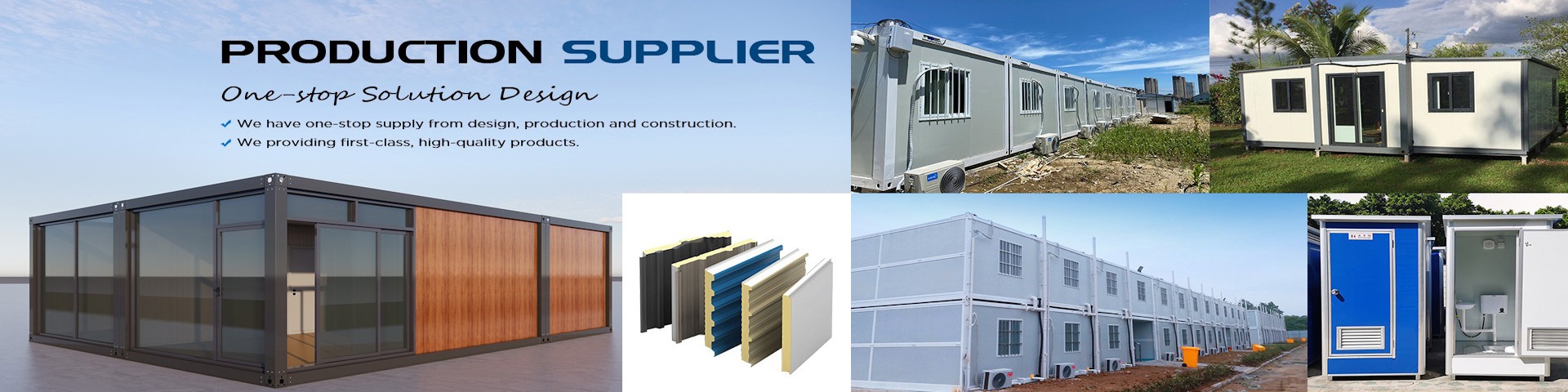
Современный минималистичный контейнерный дом мечта экологов
2025-12-18
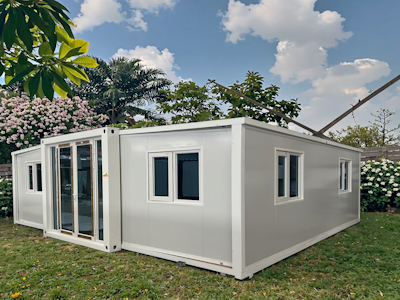
В современном мире, где экологические проблемы становятся все более актуальными, поиск устойчивых и экологичных решений для жилья становится приоритетом для многих. Контейнерные дома, построенные из переработанных морских контейнеров, представляют собой идеальный символ минимализма и экологической ответственности. Эти структуры не только уменьшают углеродный след, но и предлагают стильный, современный дизайн, который привлекает экологов и любителей простоты. В этой статье мы глубоко погрузимся в мир контейнерных домов, исследуя их историю, преимущества, процесс строительства, дизайн-возможности, и почему они стали мечтой для тех, кто заботится о планете.
История и эволюция контейнерных домов
Контейнерные дома берут свое начало в середине 20 века, когда морские контейнеры стали стандартом для международной торговли. Изначально использовавшиеся для транспортировки грузов, эти стальные ящики soon attracted the attention of architects and innovators who saw their potential for affordable and sustainable housing. The first documented container home was built in the 1990s, and since then, the trend has grown exponentially, driven by advancements in construction techniques and a growing awareness of environmental issues. Today, container homes are not just a niche concept but a mainstream option for eco-conscious individuals, offering a blend of durability, modularity, and aesthetic appeal that traditional homes often lack.
Экологические преимущества контейнерных домов
Одним из ключевых преимуществ контейнерных домов является их положительное воздействие на окружающую среду. Использование переработанных контейнеров сокращает количество отходов, которые иначе ended up in landfills, and reduces the demand for new construction materials like wood and concrete, which have high carbon footprints. Additionally, container homes can be designed to be highly energy-efficient, with features such as solar panels, rainwater harvesting systems, and superior insulation that minimize energy consumption. This aligns perfectly with the principles of circular economy and sustainable living, making them a dream come true for ecologists who advocate for reducing human impact on the planet.
Минималистичный дизайн и эстетика
Минимализм является центральным элементом контейнерных домов, отражая философию «меньше значит больше». Эти дома often feature clean lines, open spaces, and a focus on functionality over extravagance. The modular nature of containers allows for creative configurations, such as stacking or arranging them in unique patterns, resulting in visually striking homes that stand out from traditional architecture. Interior design emphasizes natural light, neutral colors, and multi-functional furniture, creating a serene and uncluttered environment that promotes mental well-being. For ecologists, this minimalist approach not only reduces material waste but also fosters a simpler, more intentional lifestyle.
Процесс строительства контейнерного дома
Строительство контейнерного дома involves several key steps: sourcing used containers, modifying them for habitation (e.g., cutting windows and doors, adding insulation), and assembling them on a foundation. This process is generally faster and more cost-effective than traditional construction, as containers are prefabricated and can be transported easily. However, it requires careful planning to address challenges such as structural integrity, weatherproofing, and compliance with local building codes. Innovations in construction technology, like 3D modeling and modular systems, have made it easier to customize these homes to meet specific needs, ensuring they are safe, comfortable, and sustainable.
Энергоэффективность и зеленые технологии
To maximize sustainability, container homes often incorporate green technologies such as photovoltaic panels for solar energy, geothermal heating and cooling systems, and smart home automation for optimized energy use. These features not only reduce reliance on fossil fuels but also lower utility bills, making container homes economically attractive in the long run. Moreover, the use of eco-friendly materials like low-VOC paints and recycled insulation further enhances their environmental credentials. For ecologists, this integration of technology and sustainability represents a practical step towards achieving carbon neutrality and living in harmony with nature.
Социальные и экономические аспекты
Контейнерные дома offer affordable housing solutions, particularly in urban areas where real estate prices are soaring. They can be used for single-family homes, multi-unit developments, or even temporary shelters in disaster-stricken regions, demonstrating their versatility and social value. By promoting a shift towards more sustainable living practices, these homes inspire communities to rethink consumption patterns and embrace ecological values. Ecologists see them as a tool for driving positive change, reducing inequality, and fostering a culture of environmental stewardship.
Будущее контейнерных домов
Будущее контейнерных домов выглядит bright, with ongoing innovations in materials, design, and technology. Trends include the use of biodegradable composites, integration with urban farming, and advancements in off-grid capabilities. As climate change intensifies, the demand for resilient and sustainable housing will only grow, positioning container homes as a key player in the future of architecture. Ecologists continue to advocate for their adoption, envisioning a world where such homes become the norm rather than the exception, contributing to a healthier planet for generations to come.
В заключение, современный минималистичный контейнерный дом embodies the ideals of ecology and minimalism, offering a practical, beautiful, and sustainable alternative to conventional housing. By embracing this innovative approach, we can move closer to a future where human habitation is in balance with nature, fulfilling the dreams of ecologists worldwide.
Предыдущая страница: Невероятный дом в контейнере будущее жилья уже здесь
Следующая страница: Креативное пространство для кофе в уютном контейнере
Возвращение