

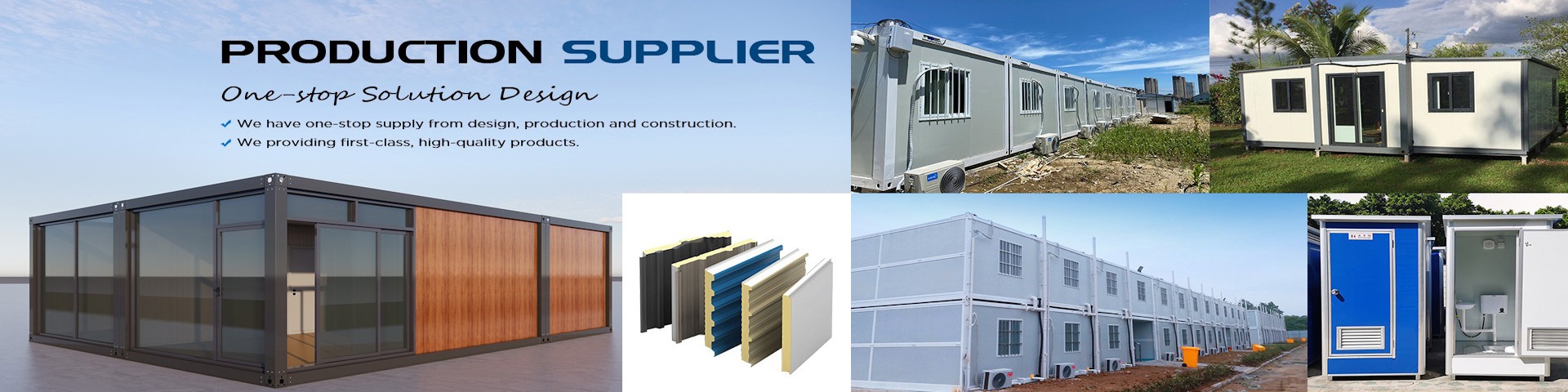
Контейнерное жилье дешево и практично но подходит ли вам
2025-12-19
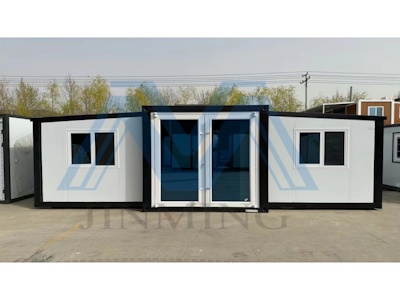
В современном мире, где цены на недвижимость растут с каждым годом, многие ищут альтернативные и экономичные решения для жилья. Одним из таких решений является контейнерное жилье — конструкция, созданная из морских контейнеров, которая предлагает уникальное сочетание доступности, практичности и инновационности. Но прежде чем прыгать в этот, казалось бы, привлекательный вариант, важно задать себе вопрос: действительно ли оно подходит именно вам? В этой статье мы глубоко погрузимся в тему контейнерного жилья, исследуя все его аспекты — от преимуществ и недостатков до реальных примеров и рекомендаций. Мы разберем, почему оно может быть дешевым и практичным, но также обсудим потенциальные подводные камни, которые могут сделать его неподходящим для некоторых людей. К концу чтения вы будете иметь четкое представление о том, стоит ли рассматривать контейнерное жилье как вариант для себя или своей семьи.
Что такое контейнерное жилье?
Контейнерное жилье — это тип модульного строительства, где в качестве основного материала используются стандартные морские контейнеры, typically made of steel. Эти контейнеры, originally designed for shipping goods, are repurposed into living spaces through modifications such as cutting windows and doors, adding insulation, and installing utilities. The concept gained popularity in the early 2000s as a response to housing crises and a growing interest in sustainable living. It's not just a trend; it's a practical solution that has been adopted worldwide, from temporary shelters in disaster zones to luxurious homes in urban areas.
Исторически, использование контейнеров для жилья началось как временная мера, но со временем evolved into a permanent housing option. For example, in countries like the Netherlands and the United States, container homes are used for student housing or affordable homes. The versatility of containers allows for endless customization — they can be stacked, combined, or even designed to be mobile. This flexibility makes them appealing to a wide range of people, from minimalists seeking a simpler life to developers looking for cost-effective building solutions.
Однако, несмотря на свою практичность, контейнерное жилье — это не просто «бросовый» материал. It requires careful planning and execution to ensure it meets living standards. In this section, we'll explore the basics: types of containers used (e.g., standard 20-foot or 40-foot containers), the process of conversion, and how it compares to traditional construction methods. Understanding these fundamentals is key to evaluating whether container living is right for you.
Преимущества контейнерного жилья
Одним из главных преимуществ контейнерного жилья является его стоимость. Compared to conventional homes, container homes can be significantly cheaper. The average cost to build a container home ranges from $10,000 to $50,000, depending on size and amenities, whereas a traditional home might cost $100,000 or more. This affordability stems from the reuse of materials, reduced labor costs, and faster construction times. For instance, a basic container home can be assembled in weeks rather than months, saving money on rent or mortgage during the build phase.
Практичность — еще один strong point. Containers are durable, weather-resistant, and designed to withstand harsh conditions, making them ideal for various climates. They are also modular, meaning you can easily expand your home by adding more containers. This is perfect for growing families or those who want a flexible living space. Additionally, container homes are often praised for their sustainability. By repurposing used containers, you reduce waste and minimize the environmental impact of new construction. Some studies show that building with containers can save up to 50% in energy costs compared to traditional homes, thanks to better insulation options and efficient design.
Быстрота строительства is a major advantage. Since containers are prefabricated, much of the work can be done off-site, reducing on-site construction time and disruptions. This is particularly beneficial in urban areas where space is limited. Moreover, container homes can be designed to be portable, allowing you to move your home if needed — a feature that appeals to digital nomads or those in transitional phases of life.
В плане customization, the possibilities are endless. You can paint them, add decks, or even incorporate green roofs. Many people enjoy the industrial aesthetic, which has become a trendy style in modern architecture. However, it's important to note that while these advantages are compelling, they don't come without challenges. In the next section, we'll delve into the disadvantages to provide a balanced view.
Недостатки контейнерного жилья
Несмотря на множество преимуществ, контейнерное жилье имеет свои недостатки, которые могут сделать его неподходящим для некоторых. One of the biggest issues is insulation. Steel containers conduct heat and cold easily, which can lead to poor temperature regulation without proper insulation. This means higher heating and cooling costs if not addressed correctly. In extreme climates, this can be a significant drawback, requiring additional investments in insulation materials like spray foam or panel systems.
Юридические и regulatory hurdles are another challenge. In many regions, building codes may not fully accommodate container homes, leading to difficulties in obtaining permits. Zoning laws might restrict where you can place such homes, especially in residential areas. It's crucial to research local regulations before committing to a container home project. For example, in some cities, containers are classified as temporary structures, limiting their use as permanent dwellings.
Ограничения по空间у и design can be a problem. Standard containers have fixed dimensions (e.g., 8 feet wide), which might feel cramped for some people. While stacking or combining containers can alleviate this, it adds complexity and cost. Additionally, the need to cut openings for windows and doors can weaken the structural integrity if not done properly, requiring engineering oversight.
Стоимость модификаций can add up quickly. While the base container is cheap, expenses for insulation, plumbing, electrical work, and finishes can make the total cost comparable to traditional homes. There's also the risk of hidden costs, such as dealing with rust or chemical treatments from the container's shipping days. Proper inspection and preparation are essential to avoid surprises.
Психологические аспекты shouldn't be overlooked. Living in a container home might carry a stigma or feel unconventional, which could affect resale value or social acceptance. It's important to consider whether you and your family are comfortable with this type of living arrangement long-term.
Реальные примеры и case studies
Чтобы лучше понять, подходит ли контейнерное жилье, давайте рассмотрим реальные примеры. In the United States, a company called "Container Homes USA" has built numerous projects, including a $35,000 home in Texas that features two containers combined into a cozy 640-square-foot space. The owners reported saving over 60% compared to a traditional build and praised the speed of construction — it was move-in ready in just three months.
В Европе, the Netherlands has embraced container architecture for social housing. In Amsterdam, a development called "Keetwonen" provides student housing using stacked containers. It offers affordable rents and a sense of community, demonstrating how container homes can be scalable and functional in urban settings. However, residents have noted issues with noise insulation, highlighting one of the common drawbacks.
Для индивидуальных случаев, consider the story of a family in Australia who built a container home off-grid. They invested in solar panels and rainwater harvesting, making it highly sustainable. But they faced challenges with local council approvals, which delayed the project by over a year. This case shows that while container homes can be eco-friendly, bureaucratic hurdles can be a significant barrier.
Эти примеры иллюстрируют, что успех контейнерного жилья depends on factors like location, budget, and personal tolerance for challenges. It's not a one-size-fits-all solution, but for those who plan carefully, it can be a rewarding choice.
Кому подходит контейнерное жилье?
Контейнерное жилье может быть идеальным для certain groups of people. First, it suits minimalists and those seeking a simpler lifestyle. If you value efficiency and sustainability over space, a container home offers a way to downsize and reduce your environmental footprint. It's also great for young couples or singles on a budget, as the lower upfront cost can make homeownership more accessible.
Инвесторы и developers might find container homes attractive for rental properties or temporary housing solutions. The quick construction time means faster ROI, and the modular nature allows for easy expansion. Additionally, people in rural or remote areas can benefit from the durability and portability of containers, especially if traditional building materials are scarce or expensive.
Однако, оно may not be suitable for everyone. Families with children might find the space limitations challenging, and those who prioritize comfort and convenience might be frustrated by the need for constant maintenance or upgrades. Also, if you live in an area with strict building codes or harsh weather, the disadvantages could outweigh the benefits.
Чтобы определить, подходит ли оно вам, задайте себе вопросы: Готовы ли вы к компромиссам в комфорте? Есть ли у вас бюджет на необходимые модификации? Соответствует ли местное законодательство? Ответы на эти вопросы помогут принять informed decision.
Советы по выбору и адаптации
Если вы решите, что контейнерное жилье — это для вас, вот несколько practical tips. First, start with a thorough research phase. Look into local regulations and consult with architects or builders experienced in container construction. They can help navigate permit processes and design challenges.
Выбор контейнеров is critical. Opt for one-trip containers if possible, as they are in better condition and have less wear. Inspect for rust, dents, or chemical residues, and consider hiring a professional for assessment. Budget for modifications: insulation should be a top priority, and investing in quality windows and doors will improve energy efficiency.
В плане дизайна, think creatively. Use multiple containers to create open spaces or add outdoor areas like decks to enhance livability. Incorporate sustainable features such as solar panels or greywater systems to maximize benefits. Remember, the goal is to make the space feel like home, not just a metal box.
Наконец, plan for the long term. Container homes can last decades with proper maintenance, but be prepared for ongoing upkeep. Regular painting and rust treatment are essential to prolong lifespan.
Заключение: подходит ли вам контейнерное жилье?
Контейнерное жилье предлагает уникальное сочетание дешевизны, практичности и экологичности, но оно не лишено недостатков. Оно может быть отличным выбором для тех, кто ценит минимализм, имеет ограниченный бюджет или ищет sustainable решение. Однако, challenges like insulation issues, legal hurdles, and space constraints mean it's not for everyone.
Перед принятием решения, тщательно оцените свои needs, budget, and local conditions. If you're willing to invest time and effort into planning and modifications, container living could be a rewarding adventure. But if you prefer convenience and predictability, traditional housing might be a better fit.
В конечном счете, контейнерное жилье — это инструмент, и его успех depends on how you use it. By weighing the pros and cons outlined in this article, you can determine whether it's the right path for your housing journey.
Спасибо за чтение! Если у вас есть вопросы или опыт с контейнерным жильем, поделитесь в комментариях — мы будем рады обсудить.
Предыдущая страница: Экологичные контейнерные дома доступно и стильно для вашей семьи
Следующая страница: Стильные контейнерные дома для современной жизни
Возвращение