
Открытые пространства в контейнерах жилье будущего которое изменит все
2025-12-22
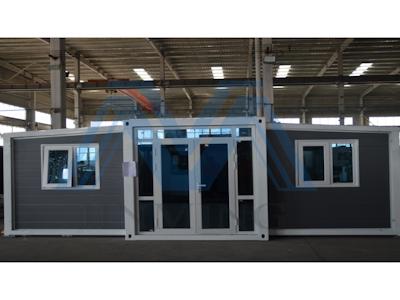
В современном мире, где урбанизация растет стремительными темпами, а экологические проблемы становятся все более острыми, поиск инновационных решений для жилья становится не просто тенденцией, а необходимостью. Одной из таких революционных концепций является использование морских контейнеров для создания открытых, функциональных и устойчивых жилых пространств. Эта идея, которая когда-то казалась футуристической и нишевой, теперь набирает обороты по всему миру, предлагая ответы на вызовы доступности, устойчивости и качества жизни. В этой статье мы глубоко исследуем, как открытые пространства в контейнерном жилье могут стать катализатором перемен, изменив все от архитектуры до образа жизни людей.
Введение: Почему контейнерное жилье?
Контейнерное жилье – это не просто модный тренд; это практическое решение, рожденное из необходимости. С ростом населения городов и увеличением спроса на жилье, традиционные методы строительства часто оказываются слишком дорогими, медленными и вредными для окружающей среды. Морские контейнеры, изначально предназначенные для перевозки грузов, предлагают уникальную альтернативу: они прочные, стандартизированные, и их легко модифицировать. Но что делает их особенно привлекательными – это возможность создавать открытые пространства, которые打破传统ционные границы комнат и коридоров, fostering a sense of freedom and connectivity.
Открытые пространства в архитектуре всегда ассоциировались с современностью и комфортом. Они позволяют свету и воздуху свободно циркулировать, создавая ощущение простора даже в ограниченных площадях. В контексте контейнерного жилья, это становится еще более важным, так как сами контейнеры имеют модульную природу и могут быть комбинированы для формирования больших, гибких зон. Imagine a home where the living room flows seamlessly into the kitchen, and the bedroom opens up to a terrace – all within the robust shell of a repurposed container. This is not just about aesthetics; it's about rethinking how we live and interact with our environment.
В этой статье мы рассмотрим историю и эволюцию контейнерного жилья, его преимущества и вызовы, роль открытых пространств в enhancing quality of life, примеры успешных проектов по всему миру, and how this trend is shaping the future of urban development. Мы также обсудим экологические аспекты, экономическую целесообразность, и социальные implications этой инновации. К концу, вы поймете, почему контейнерное жилье с открытыми пространствами – это не просто временное увлечение, а потенциально game-changing решение для глобальных проблем.
Исторический контекст: От грузовых контейнеров к жилым пространствам
Идея использования контейнеров для жилья не возникла из ниоткуда. Она уходит корнями в середину 20-го века, когда стандартизация морских перевозок привела к созданию универсальных контейнеров. Первоначально разработанные для efficiency в logistics, эти стальные ящики quickly became symbols of globalization. Однако, с течением времени, избыток использованных контейнеров – millions are discarded annually – sparked creativity among architects and designers.
Ранние эксперименты с контейнерным жильем date back to the 1980s and 1990s, often as temporary shelters or artistic installations. Но только в начале 2000-х годов, с ростом awareness об устойчивом развитии, эта концепция gained mainstream traction. Пионеры like Adam Kalkin and Lot-ek в США продемонстрировали, что контейнеры можно transformed into comfortable, modern homes. Ключевым моментом стало emphasis на открытых пространствах – removing interior walls to create loft-like environments that defy the container's narrow dimensions.
Эволюция продолжается today, with advancements in insulation, ventilation, and modular design making container homes more livable than ever. От простых single-container units до multi-level complexes, the possibilities are expanding. This historical journey shows how a pragmatic solution to waste and housing shortages has evolved into a visionary approach to architecture.
Преимущества контейнерного жилья: Устойчивость, доступность и гибкость
Одним из primary advantages контейнерного жилья является его устойчивость. Переработка used containers reduces waste and minimizes the need for new construction materials, which are often resource-intensive. Steel containers are durable and can withstand harsh conditions, making them ideal for various climates. Additionally, the modular nature allows for easy expansion or reconfiguration, adapting to changing needs over time.
Экономическая доступность – another key benefit. Traditional construction can be prohibitively expensive, especially in urban areas. Container homes, on the other hand, can be up to 30-50% cheaper due to reduced material costs and faster build times. This makes homeownership more attainable for many people, addressing issues of housing affordability that plague cities worldwide.
Гибкость design is where open spaces truly shine. By eliminating unnecessary partitions, container homes can feel larger and more connected to the outdoors. This openness fosters a sense of community and well-being, as residents are not confined to small, isolated rooms. It also allows for innovative layouts that maximize natural light and ventilation, reducing energy consumption for heating and cooling.
Однако, есть и challenges, such as concerns about insulation, condensation, and structural integrity when modifying containers. But with proper engineering and design, these issues can be mitigated, making container homes a viable option for the future.
Роль открытых пространств в улучшении качества жизни
Открытые пространства в архитектуре have long been associated with modern living and psychological well-being. In container homes, they take on added significance. The limited width of a standard container (around 2.4 meters) means that without open layouts, spaces can feel cramped and claustrophobic. By designing with open plans, architects create an illusion of spaciousness and promote a fluid movement between areas.
Это не только about aesthetics; open spaces enhance functionality. For example, a combined living, dining, and kitchen area can serve multiple purposes, making the home more adaptable to daily activities. It also encourages social interaction, as family members or guests can engage with each other without barriers. Studies have shown that such environments can reduce stress and improve mental health by fostering a sense of freedom and connection.
Кроме того, open spaces in container homes often incorporate large windows, sliding doors, or even retractable walls that blur the line between indoor and outdoor living. This connection to nature is a core principle of biophilic design, which has been proven to boost productivity and happiness. In urban settings, where green space is limited, this aspect becomes particularly valuable.
Examples abound: from homes in Amsterdam that feature rooftop gardens accessible from open living areas, to projects in Tokyo where containers are stacked to create communal courtyards. These designs demonstrate how open spaces can transform a utilitarian object into a nurturing home.
Примеры успешных проектов по всему миру
Контейнерное жилье has been implemented in diverse contexts, from affordable housing projects to luxury homes. One notable example is the Keetwonen complex in Amsterdam, which is the largest container city in the world, providing student housing with open, modern units. Another is the Container City in London, a mixed-use development that combines residential and commercial spaces with an emphasis on open, collaborative environments.
In developing countries, container homes offer a quick solution to housing crises. For instance, in Haiti after the 2010 earthquake, organizations used containers to build temporary shelters that could be easily assembled and disassembled. These projects often prioritize open layouts to accommodate large families and community activities.
On the high-end side, architects have created stunning homes that rival traditional construction. The Joshua Tree Residence in California uses multiple containers to form a spacious, open-plan home with sweeping desert views. Similarly, in South Africa, the Container House by Architectura incorporates sliding walls to create flexible, open spaces that adapt to the climate.
These examples show the versatility of container housing and how open spaces are integral to their success. They prove that with creativity, container homes can be both functional and beautiful, catering to a wide range of needs and budgets.
Экологические аспекты: Сокращение углеродного следа
Одним из most compelling arguments for container housing is its environmental benefits. By repurposing used containers, we reduce the demand for new steel production, which is energy-intensive and contributes significantly to carbon emissions. A single container can save up to 3,500 kg of steel from being produced anew, equivalent to reducing CO2 emissions by approximately 8,000 kg.
Кроме того, the modular construction process generates less waste compared to traditional building methods. Containers are prefabricated off-site, meaning less disturbance to the local environment during assembly. This also allows for better control over materials and efficiency.
Open spaces contribute to energy efficiency. Large windows and open plans facilitate natural lighting and ventilation, reducing the need for artificial lighting and air conditioning. When combined with solar panels, green roofs, and other sustainable features, container homes can achieve net-zero energy status, meaning they produce as much energy as they consume.
However, it's important to address potential downsides, such as the need for insulation to prevent heat loss in cold climates or overheating in hot ones. Advances in eco-friendly insulation materials, like sheep's wool or recycled denim, are making container homes more sustainable. Overall, the environmental footprint of a well-designed container home is significantly lower than that of a conventional house.
Экономическая целесообразность: Стоимость и окупаемость
С экономической точки зрения, контейнерное жилье offers compelling advantages. The initial cost is often lower due to the use of recycled materials and streamlined construction processes. A basic container home can cost as little as $10,000 to $50,000, depending on size and customization, compared to $200,000 or more for a traditional home in many areas.
Сроки строительства также shorter – weeks instead of months – which reduces labor costs and allows for quicker occupancy. This is particularly beneficial in disaster relief or rapid urbanization scenarios.
Окупаемость investments can be high, especially if the home is designed for energy efficiency. Lower utility bills and potential government incentives for green building can make container homes financially attractive in the long run. Additionally, the flexibility to relocate or expand the home adds value, as it can adapt to changing market conditions or personal needs.
Но есть и hidden costs, such as permits, foundation work, and modifications for livability. It's crucial to work with experienced professionals to avoid unexpected expenses. Despite this, the overall economic profile makes container housing a smart choice for those looking to save money without compromising on quality.
Социальные последствия: Сообщества и инклюзивность
Контейнерное жилье has the potential to address social issues like homelessness and urban density. By providing affordable, quick-to-build homes, it can help alleviate housing shortages in cities. Open spaces within these homes foster a sense of community, as shared areas encourage interaction among residents.
Inclusive design is another aspect. Container homes can be tailored to be accessible for people with disabilities, with open layouts that accommodate wheelchairs and other mobility aids. This promotes social equity and ensures that everyone can benefit from this innovative housing solution.
Projects like Container Villages in various countries demonstrate how container housing can create vibrant, diverse communities. These developments often include communal gardens, playgrounds, and gathering spaces that enhance social cohesion. By breaking down physical barriers, open spaces help build stronger, more connected neighborhoods.
However, there is a risk of stigmatization if container homes are perceived as low-quality or temporary. Education and high-quality design are key to changing perceptions and showcasing container housing as a desirable, modern option.
Будущее контейнерного жилья: Тенденции и инновации
Будущее контейнерного жилья bright, with emerging trends pointing towards greater integration of technology and sustainability. Smart home features, such as automated lighting and climate control, are being incorporated into container designs, enhancing comfort and efficiency.
Innovations in materials are also on the horizon. For example, the use of cross-laminated timber (CLT) in combination with containers is gaining popularity, offering a hybrid approach that balances strength with sustainability. Additionally, 3D printing could revolutionize how we modify containers, allowing for precise customizations at lower costs.
Urban planning is evolving to accommodate container housing. Cities are updating zoning laws to allow for more flexible use of land, including pop-up communities and mixed-use developments. This aligns with the growing movement towards compact, walkable cities that prioritize people over cars.
Open spaces will continue to be a focal point, with designs that emphasize multi-functionality and adaptability. As climate change intensifies, container homes may become a key part of resilient infrastructure, capable of withstanding extreme weather events due to their sturdy construction.
Заключение: Изменяя все, одно пространство за раз
В заключение, контейнерное жилье с открытыми пространствами представляет собой powerful synthesis of sustainability, affordability, and innovation. It challenges conventional notions of what a home should be and offers a practical solution to some of the most pressing issues of our time. By embracing open, flexible designs, we can create living environments that enhance well-being, foster community, and reduce our environmental impact.
Эта концепция is more than just a trend; it's a movement towards a more conscious and adaptable way of living. As technology advances and societal attitudes shift, container housing has the potential to become a mainstream option, transforming skylines and improving lives around the globe. The future of housing is here, and it's built from containers – open, inclusive, and ready to change everything.
Whether you're an architect, a homeowner, or simply someone interested in the future of cities, it's time to consider the possibilities. Открытые пространства в контейнерах – это не просто жилье; это vision лучшего мира, где creativity и sustainability идут hand in hand.
Предыдущая страница: Наслаждайтесь уникальным отдыхом в элитном контейнерном доме
Следующая страница: Инновационные контейнерные дома идеальный отдых на природе
Возвращение