

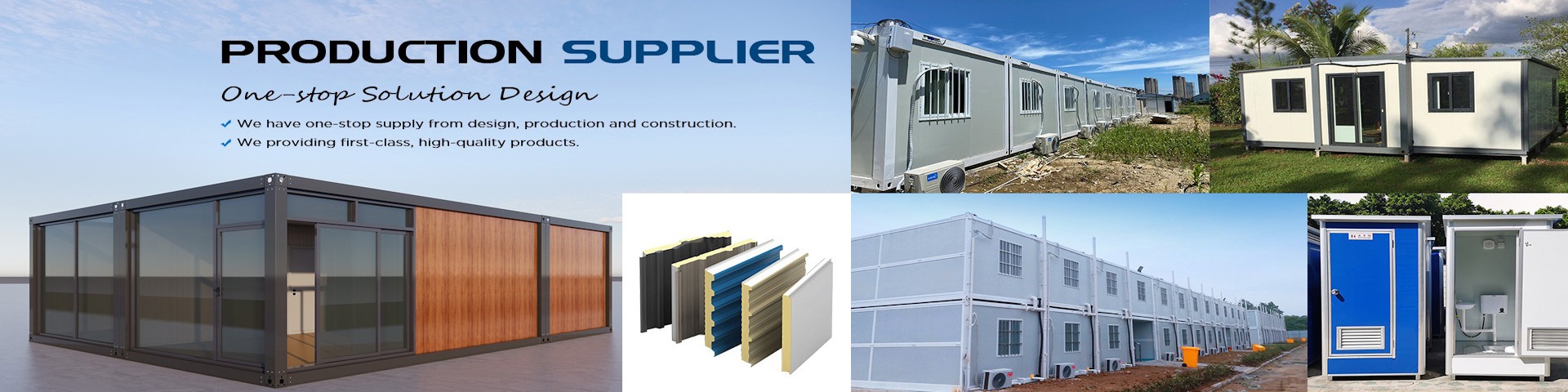
Тяжелые контейнерные дома надежность и уют в любом климате идеальное жилье для севера
2025-12-23
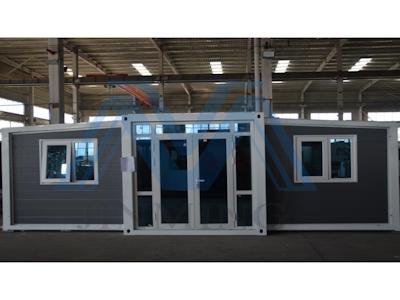
Вы когда-нибудь задумывались, как обеспечить комфортное и безопасное жилье в условиях сурового северного климата, где температуры могут опускаться до -50°C, а ветра и снег становятся постоянными спутниками жизни? Что, если существует решение, которое сочетает в себе прочность, энергоэффективность и уют, делая жизнь на севере не выживанием, а полноценным существованием? Тяжелые контейнерные дома, возможно, именно тот ответ, который вы ищете. Но так ли это на самом деле? Давайте разберемся вместе, задавая ключевые вопросы и находя на них ответы.
Что такое тяжелые контейнерные дома и почему они считаются надежными?
Тяжелые контейнерные дома — это сооружения, созданные из прочных морских контейнеров, которые изначально designed для перевозки грузов через океаны, выдерживая экстремальные нагрузки и условия. Их robustная стальная конструкция обеспечивает exceptionalную durability, но как это translates в жилое пространство? Imagine: контейнеры изготавливаются из corten steel, известной своей коррозионной стойкостью и способностью выдерживать mechanical stress. Это делает их идеальными для северных регионов, где snow loads, ice, and strong winds являются нормой. Однако, не слишком ли они холодны и безжизненны? Вовсе нет! С modern insulation materials, such as polyurethane foam or mineral wool, these homes can be transformed into warm, energy-efficient havens. But is that enough to call them "reliable"? Absolutely, because their modular nature allows for easy reinforcement and customization, ensuring they stand firm against the harshest elements. So, when you ask, "Can a container house really withstand a Arctic storm?" The answer is a resounding yes, thanks to their inherent strength and adaptability.
Как тяжелые контейнерные дома обеспечивают уют в холодном климате?
Уют — это не просто тепло; это ощущение безопасности, comfort, and homeliness. But how can a structure made of metal possibly evoke such feelings, especially in the frigid north? The secret lies in intelligent design and insulation. By adding thick layers of insulation, double- or triple-glazed windows, and efficient heating systems like heat pumps or radiant floor heating, these homes maintain a stable indoor temperature even when it's freezing outside. Moreover, the interior can be customized with wood paneling, soft lighting, and cozy furnishings to create a welcoming atmosphere. But wait, isn't metal prone to condensation and cold spots? Not if properly sealed and ventilated. Advanced vapor barriers and HVAC systems prevent moisture buildup, ensuring a dry and comfortable environment. So, if you're wondering, "Will I feel at home in a container house during a long polar night?" With the right upgrades, yes—you'll enjoy a snug retreat that rivals traditional homes.
Почему тяжелые контейнерные дома идеальны именно для северных регионов?
Север presents unique challenges: permafrost, limited access to materials, and short construction seasons. Traditional building methods often struggle here, but container homes thrive. Their prefabricated nature means they can be assembled quickly, reducing on-site labor and minimizing environmental impact. But is that the only reason? Consider logistics: containers are designed for easy transport, even to remote areas via ship, rail, or truck. This makes them perfect for northern settlements where delivering building materials is costly and time-consuming. Additionally, their durability means less maintenance in corrosive salty air or heavy snow conditions. However, some might ask, "Aren't they too heavy for permafrost?" Not necessarily; with proper foundation techniques like pilings or insulated slabs, they can be adapted to unstable ground. Thus, for the north, container homes offer a practical, efficient, and resilient housing solution that addresses the region's specific needs.
Каковы энергоэффективные особенности этих домов?
Energy efficiency is crucial in cold climates to reduce heating costs and environmental footprint. Container homes excel here due to their compact shape and potential for high levels of insulation. But how efficient are they really? By incorporating features like solar panels, energy recovery ventilators, and smart thermostats, these homes can achieve near-net-zero energy consumption. For example, the thermal mass of steel helps retain heat, while tight seals prevent drafts. Yet, skeptics might question, "Doesn't metal conduct cold easily?" Initially, yes, but with proper insulation—often reaching R-values of 30 or more—the heat loss is minimized. In fact, many container homes in northern regions report up to 50% savings on energy bills compared to conventional houses. So, if you're concerned about sustainability and cost, container homes are a smart choice that keeps you warm without breaking the bank.
Какие вызовы и мифы surround тяжелые контейнерные дома?
Despite their advantages, container homes face misconceptions, such as being too industrial, cramped, or unsafe. But are these claims valid? Let's debunk them. First, size: while standard containers are narrow, they can be combined to create spacious layouts. With creative design, a container home can feel open and airy. Second, safety: concerns about toxins from paints or materials are outdated; modern containers are cleaned and treated to meet residential standards. As for earthquakes or fires, their steel frames offer excellent resistance when properly engineered. However, challenges like rust in humid climates or acoustic issues can arise, but these are manageable with coatings and soundproofing. So, when someone asks, "Are container homes just a fad or a viable option for the north?" The evidence shows they are a practical, innovative solution that overcomes initial drawbacks with smart technology.
Как выбрать и customize тяжелый контейнерный дом для севера?
Choosing the right container home involves considering factors like size, insulation type, and local regulations. But where to start? Begin by assessing your needs: how many rooms, what level of energy efficiency, and budget. Work with experienced architects who specialize in modular homes to ensure the design meets northern building codes. Customization options are vast—from adding extra windows for natural light to incorporating renewable energy systems. But is it expensive? While initial costs might be higher due to insulation and transport, long-term savings on energy and maintenance make it cost-effective. For instance, in Alaska or Siberia, many families have successfully built container homes that blend functionality with aesthetic appeal. So, if you're contemplating, "Can I really create a dream home from a container?" With careful planning, yes—it's a versatile canvas for your northern sanctuary.
Заключение: будущее жилья на севере с тяжелыми контейнерными домами
In conclusion, heavy container homes represent a promising avenue for northern housing, offering reliability, comfort, and adaptability. They answer the call for sustainable, affordable, and resilient living in extreme climates. As technology advances, we can expect even better insulation materials and designs, making them an increasingly popular choice. So, the next time you ponder life in the north, remember: container homes might just be the ideal solution you've been searching for. Embrace the innovation and enjoy the warmth and security they provide.
This article has explored the myriad aspects of heavy container homes, from their robustness to their coziness, demonstrating why they are suited for northern climates. If you have more questions, feel free to delve deeper into this exciting housing trend!
Предыдущая страница: Сколько стоит строительство контейнерного дома в горной зоне
Следующая страница: Жизнь у океана роскошь в стальном контейнере
Возвращение