
Интегрированные контейнерные дома: стиль, комфорт и функциональность
2025-12-24
В современном мире, где урбанизация и экологические проблемы становятся все более актуальными, люди все чаще задаются вопросом: как совместить практичность, эстетику и устойчивость в жилье? Интегрированные контейнерные дома появляются как возможный ответ на этот вызов. Но действительно ли они предлагают стиль, комфорт и функциональность, которые мы ищем? В этой статье мы глубоко погрузимся в тему, исследуя каждую грань этого инновационного подхода к строительству.
Что такое интегрированные контейнерные дома?
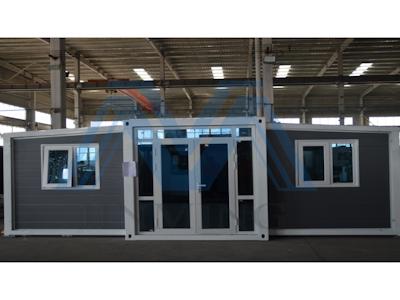
Интегрированные контейнерные дома — это сооружения, созданные из морских контейнеров, которые были модифицированы и объединены для формирования жилых или коммерческих пространств. Они представляют собой модульную конструкцию, где каждый контейнер служит базовым блоком, а их комбинация позволяет создавать уникальные и адаптивные здания. Но почему именно контейнеры? Их прочность, доступность и потенциал для переработки делают их привлекательным выбором для устойчивого строительства.
Однако возникает вопрос: насколько такие дома интегрированы в традиционные строительные стандарты? В отличие от обычных зданий, контейнерные дома требуют специальной инженерии для обеспечения структурной целостности, изоляции и интеграции систем, таких как электричество, водоснабжение и отопление. Это поднимает важные аспекты безопасности и соответствия нормам, которые мы обсудим далее.
Стиль: могут ли контейнерные дома быть эстетичными?
Когда мы думаем о контейнерных домах, первое, что приходит на ум, — это промышленный вид, ассоциируемый с грузовыми контейнерами. Но современные архитекторы и дизайнеры доказывают, что это лишь отправная точка. С помощью креативного подхода контейнеры могут трансформироваться в стильные и современные жилые пространства. Вопрос в том, как достичь этого без ущерба для функциональности?
Интеграция различных материалов, таких как стекло, дерево и металл, позволяет создавать уникальные фасады и интерьеры. Например, большие окна могут быть врезаны в стены контейнеров, чтобы максимизировать естественное освещение и визуально расширить пространство. Внутренняя отделка может варьироваться от минималистичного индустриального стиля до уютного и теплого дизайна, использующего натуральные текстуры.
Но стиль — это не только внешний вид; он также involves the flow and layout of the space. Модульная природа контейнеров позволяет гибко планировать комнаты, создавая открытые планы или уединенные зоны. Однако это требует тщательного проектирования, чтобы избежать ощущения тесноты или неестественности. Так, могут ли контейнерные дома конкурировать с традиционными домами в плане эстетической привлекательности? Ответ зависит от мастерства дизайнера и willingness владельца принять инновационный подход.
Комфорт: обеспечивают ли контейнерные дома уютное жилье?
Комфорт — это ключевой аспект любого жилья, и контейнерные дома сталкиваются с уникальными вызовами в этой области. Основные concerns включают температурный контроль, акустику и общее ощущение пространства. Как интегрированные системы справляются с этими issues?
Теплоизоляция является критически важной для комфорта в контейнерных домах. Металлические контейнеры могут быстро нагреваться летом и остывать зимой, поэтому необходимы высококачественные изоляционные материалы, такие как spray foam или минеральная вата. Кроме того, системы отопления, вентиляции и кондиционирования воздуха (HVAC) должны быть тщательно интегрированы для поддержания постоянной температуры. Это raises вопрос о энергоэффективности: могут ли контейнерные дома быть такими же comfortable, как традиционные здания, без значительных затрат на энергию?
Акустика — another factor. Металлические поверхности могут усиливать звук, leading к potential шумовым проблемам. Решения включают использование звукопоглощающих материалов в стенах и потолках, а также strategic планирование комнат to minimize noise transfer. Вопрос о том, насколько комфортно жить в such environment, зависит от качества construction и personal preferences.
Пространственный комфорт также важен. Хотя контейнеры предлагают модульность, их стандартные размеры (например, 20 или 40 футов в длину) могут ограничивать гибкость. Однако, объединяя multiple контейнеров, можно создавать просторные interiors. Key заключается в clever дизайне, который maximizes usable area и creates inviting atmosphere. So, do integrated container homes provide the comfort we expect from a home? With proper design and execution, yes, but it requires attention to detail.
Функциональность: насколько практичны контейнерные дома?
Функциональность encompasses usability, adaptability, and practicality of a home. Integrated container homes excel in certain areas but face limitations in others. How do they stack up in terms of daily living?
One of the biggest advantages is modularity. Containers can be easily transported and assembled on-site, reducing construction time and costs. This makes them ideal for temporary housing, emergency shelters, or remote locations. But for permanent residences, questions arise about durability and maintenance. Steel containers are robust but prone to corrosion if not properly treated. Regular upkeep is necessary to ensure longevity.
Integration of utilities is another functional aspect. Plumbing, electrical wiring, and internet connectivity must be seamlessly incorporated into the container structure. This often involves cutting openings and reinforcing areas, which can compromise structural integrity if not done correctly. Advances in prefabrication have made this easier, but it still requires expertise.
Adaptability is a strong point. Containers can be stacked or arranged in various configurations to suit different needs, from single-family homes to multi-story buildings. However, local building codes and regulations may impose restrictions, posing challenges for widespread adoption. So, are integrated container homes functional for modern living? They offer innovative solutions but demand careful planning to overcome inherent limitations.
Экологические аспекты: являются ли контейнерные дома устойчивыми?
Sustainability is a major driver behind the popularity of container homes. By repurposing used shipping containers, we reduce waste and minimize the environmental impact of new construction. But is this as green as it seems?
Questions about energy consumption during modification processes arise. Cutting, welding, and insulating containers require energy and resources, which might offset some of the benefits. Additionally, the carbon footprint of transporting containers to the site must be considered. Nevertheless, when done responsibly, container homes can be part of a circular economy, promoting recycling and reduced material use.
Integration with renewable energy sources, such as solar panels or rainwater harvesting systems, enhances sustainability. Many container homes are designed to be off-grid or highly energy-efficient, aligning with eco-friendly lifestyles. Yet, challenges like limited space for insulation or solar installation need addressing. So, do integrated container homes truly contribute to environmental sustainability? They have potential, but it depends on execution and overall design philosophy.
Стоимость и доступность: экономичны ли контейнерные дома?
Cost is a critical factor for any housing solution. Integrated container homes are often marketed as affordable alternatives to traditional construction. But is this always the case?
Initial costs can be lower due to the use of recycled materials and faster assembly. However, customization, insulation, and utility integration can drive up expenses. For example, high-end finishes or complex designs may make container homes comparable in price to conventional houses. Questions about long-term value also persist: how do they appreciate over time, and what are the resale implications?
Accessibility varies by region. In areas with abundant containers and supportive regulations, they can be a viable option. But in places with strict building codes or limited expertise, costs and challenges increase. Thus, while container homes can be economical, they are not a one-size-fits-all solution. Prospective owners must weigh the benefits against potential hidden costs.
Будущее интегрированных контейнерных домов: что нас ждет?
As technology and design evolve, integrated container homes continue to gain traction. What does the future hold for this innovative housing trend?
Advances in materials science may lead to better insulation options and more durable coatings, enhancing comfort and longevity. Smart home integration could make container homes even more functional, with automated systems for climate control and security. Additionally, growing awareness of sustainability might drive broader adoption, especially in urban areas where space is limited.
However, questions remain about scalability and acceptance. Will container homes become mainstream, or will they remain a niche market? Education and demonstration projects are key to changing perceptions. As more people experience the style, comfort, and functionality of these homes, their popularity may rise.
In conclusion, integrated container homes offer a compelling blend of style, comfort, and functionality, but they are not without challenges. By addressing issues related to design, insulation, regulations, and cost, they can become a viable housing solution for the future. The journey towards widespread acceptance is ongoing, and it will be fascinating to see how this trend develops.
Заключение: отвечая на ключевые вопросы
Throughout this article, we've explored various aspects of integrated container homes, posing questions about their style, comfort, functionality, and more. The answers are not black and white; they depend on factors such as design quality, execution, and individual needs.
Container homes can indeed be stylish, with innovative architectures transforming industrial elements into aesthetic statements. Comfort is achievable through proper insulation and systems integration, though it requires diligence. Functionality shines in modularity and adaptability, but practical challenges must be overcome. Environmental benefits are real but contingent on responsible practices.
Ultimately, integrated container homes represent a forward-thinking approach to housing that questions conventional norms. As we move towards a more sustainable and flexible future, they offer a promising path. But the decision to embrace them should be based on careful consideration and a willingness to innovate.
We invite you to reflect on these questions and share your thoughts. Are integrated container homes the future of housing, or just a passing trend? The dialogue continues, and your perspective is valuable in shaping what comes next.
Предыдущая страница: Новый Дом Всегда С Тобой Специальный Контейнер Уникальное Рение
Следующая страница: Как выбрать идеальный дождезащищенный контейнерный дом для комфортной жизни
Возвращение