
Какие преимущества у фабричного производства контейнерных домов
2025-12-26
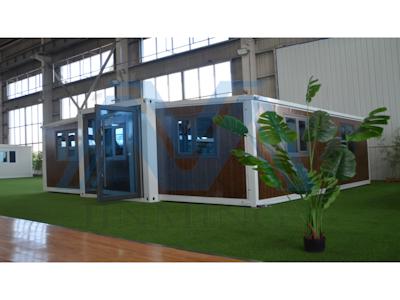
В современном мире, где урбанизация и экологические проблемы становятся все более актуальными, поиск инновационных решений в строительстве жилья приобретает особую важность. Одним из таких решений являются контейнерные дома, произведенные на фабриках. Эти структуры, созданные из переработанных морских контейнеров, предлагают уникальные преимущества, которые делают их привлекательными для широкого круга потребителей – от индивидуальных застройщиков до крупных девелоперских компаний. В данной статье мы подробно рассмотрим, почему фабричное производство контейнерных домов становится все более популярным, выделив ключевые аспекты, такие как экономическая эффективность, скорость возведения, экологичность, гибкость дизайна и долговечность. Мы также затронем современные тенденции и приведу практические примеры, чтобы показать, как эти дома могут трансформировать подход к жилью в 21 веке.
Экономическая эффективность: Снижение затрат без ущерба для качества
Одним из наиболее значительных преимуществ фабричного производства контейнерных домов является их экономическая эффективность. По сравнению с традиционным строительством, которое часто связано с высокими затратами на материалы, рабочую силу и непредвиденные расходы, фабричный подход позволяет значительно сократить общую стоимость проекта. Это достигается за счет стандартизации процессов, массового производства компонентов и оптимизации логистики. Например, стоимость строительства контейнерного дома может быть на 20-50% ниже, чем у аналогичного дома, построенного по традиционной технологии, благодаря использованию готовых модулей, которые производятся в контролируемых условиях на заводе. Это не только уменьшает финансовую нагрузку на застройщика, но и делает жилье более доступным для конечных потребителей, что особенно важно в условиях растущих цен на недвижимость.
Кроме того, фабричное производство минимизирует отходы материалов, так как все компоненты точно рассчитываются и изготавливаются с высокой точностью. В традиционном строительстве до 30% материалов могут быть потеряны из-за ошибок, повреждений или неэффективного использования, что увеличивает затраты и негативно сказывается на окружающей среде. На фабрике же отходы сводятся к минимуму благодаря современным технологиям, таким как компьютерное проектирование (CAD) и автоматизированное производство (CAM). Это не только экономит деньги, но и способствует устойчивому развитию, уменьшая углеродный след строительной отрасли.
Еще один аспект экономии – снижение затрат на рабочую силу. Фабричное производство требует меньше рабочих на месте, так как большая часть сборки выполняется в заводских условиях высококвалифицированными специалистами. Это уменьшает риски, связанные с человеческим фактором, такие как задержки из-за погодных условий или ошибки монтажа, и позволяет более точно прогнозировать бюджет проекта. Для инвесторов и застройщиков это означает большую предсказуемость и контроль над расходами, что делает контейнерные дома привлекательным вариантом для коммерческих и жилых проектов.
Скорость возведения: Быстрое решение для срочных нужд
Скорость строительства – еще одно ключевое преимущество фабричного производства контейнерных домов. В то время как традиционное строительство может занять месяцы или даже годы из-за сложных процессов, таких как заливка фундамента, возведение стен и отделка, контейнерные дома могут быть собраны на месте всего за несколько недель. Это связано с тем, что основные модули производятся параллельно на фабрике, пока на участке готовится фундамент, что значительно сокращает общее время проекта. Например, стандартный контейнерный дом может быть полностью смонтирован за 4-8 недель, в зависимости от сложности дизайна, тогда как традиционный дом аналогичного размера требует 6-12 месяцев.
Такая быстрота особенно ценна в ситуациях, где время играет критическую роль, таких как восстановление после стихийных бедствий, обеспечение временным жильем для рабочих на удаленных объектах или быстрое развертывание коммерческих пространств. В мире, где темп жизни ускоряется, способность быстро построить качественное жилье становится не просто удобством, а necessity. Фабричное производство позволяет достичь этого без компромиссов в качестве, так как все этапы контролируются в строгих заводских условиях, что обеспечивает высокую точность и надежность.
Кроме того, сокращение времени строительства уменьшает disruption для окружающей среды и сообщества. Меньше шума, пыли и traffic на строительной площадке означает более комфортные условия для соседей и меньшее воздействие на экосистему. Это делает контейнерные дома идеальными для urban areas, где пространство ограничено, а требования к скорости и минимальному вмешательству высоки. Таким образом, скорость возведения не только экономит время, но и contributes to a more sustainable and efficient building process.
Экологичность: Устойчивое жилье для будущего
В эпоху изменения климата и растущей осведомленности об экологических проблемах, контейнерные дома, произведенные на фабриках, предлагают compelling sustainable solution. Основой для этих домов часто служат переработанные морские контейнеры, которые в противном случае могли бы стать waste, загрязняя окружающую среду. By repurposing these structures, we not only reduce the demand for new materials but also decrease the carbon footprint associated with manufacturing and transportation. Например, производство стали для нового контейнера требует значительных энергетических затрат, тогда как использование бывшего в употреблении контейнера saves up to 80% of the energy and resources.
Фабричное производство further enhances the environmental benefits by incorporating energy-efficient technologies and sustainable materials. На заводах могут устанавливаться太阳能 panels, системы сбора дождевой воды, и высокоэффективная изоляция, которые снижают энергопотребление дома в during operation. Additionally, the controlled factory environment allows for better management of waste and emissions compared to on-site construction, where dust and pollution are more prevalent. This makes container homes not only eco-friendly in terms of materials but also in their overall lifecycle, from production to use and eventual disposal.
Moreover, the modular nature of container homes facilitates adaptability and reuse. If a homeowner decides to move or expand, the containers can be easily disassembled and relocated, reducing the need for demolition and new construction. This circular economy approach aligns with global sustainability goals, such as those outlined in the Paris Agreement, and positions container homes as a forward-thinking choice for environmentally conscious individuals and organizations. By choosing a factory-produced container home, consumers contribute to a greener future while enjoying modern comforts.
Гибкость дизайна: Творческая свобода и персонализация
Contrary to the misconception that container homes are rigid and utilitarian, factory production allows for immense flexibility in design. С помощью современных технологий, таких как 3D моделирование и customizable модули, заказчики могут создавать уникальные living spaces that reflect their personal style and needs. Containers can be stacked, combined, and modified in countless ways to form single-family homes, multi-story buildings, offices, or even hotels. This versatility makes them suitable for a wide range of applications, from affordable housing to luxury residences.
На фабрике, дизайн-процесс интегрирован с производством, enabling precise customization without the delays often associated with traditional custom builds. For example, windows, doors, and interior layouts can be tailored during the manufacturing stage, ensuring that every detail meets the client's specifications. This level of personalization is not only aesthetically pleasing but also functional, as it allows for optimization of space and energy efficiency. Whether it's adding skylights for natural light or incorporating smart home technologies, factory production makes it easy to integrate innovative features.
Furthermore, the modular approach encourages experimentation and innovation in architecture. Designers and architects are increasingly embracing container homes as a canvas for creative expression, leading to stunning projects that challenge conventional notions of housing. From minimalist designs to complex, multi-container structures, the possibilities are virtually limitless. This flexibility extends to future modifications; as needs change, additional containers can be added or existing ones reconfigured, providing a dynamic and adaptable living environment. In a world where individuality and functionality are prized, the design flexibility of factory-produced container homes is a significant advantage.
Долговечность и надежность: Построено на века
Контейнерные дома, произведенные на фабриках, отличаются exceptional durability and reliability. Морские контейнеры изначально designed to withstand harsh conditions, including extreme weather, heavy loads, and long-term use, making them inherently strong and resilient. When these containers are repurposed for housing and enhanced through factory processes, their longevity is further ensured. Например, на фабрике containers undergo rigorous treatments, such as sandblasting to remove rust, application of protective coatings, and structural reinforcements, which prepare them for decades of use as homes.
The controlled environment of factory production guarantees consistent quality across all modules. Unlike on-site construction, where variables like weather and worker skill can affect outcomes, factories use automated machinery and standardized protocols to produce components with high precision. This results in homes that are not only sturdy but also safe, with proper insulation, electrical systems, and plumbing installed to meet or exceed building codes. For homeowners, this means peace of mind knowing that their investment is built to last, with minimal maintenance required over time.
Additionally, the durability of container homes makes them suitable for various climates and terrains. Whether in cold northern regions or tropical areas, these homes can be insulated and equipped to provide comfort and protection. Their robustness also makes them a viable option for disaster-resistant housing, as they can endure earthquakes, hurricanes, and other natural events better than many traditional structures. By choosing a factory-produced container home, owners invest in a property that offers long-term value and security, reducing the need for frequent repairs or replacements.
Современные тенденции и будущее контейнерных домов
The popularity of factory-produced container homes is on the rise, driven by global trends towards sustainability, affordability, and innovation. In recent years, we've seen an increase in projects ranging from tiny homes for minimalists to large-scale developments for communities. For instance, in countries like the Netherlands and the United States, container homes are being used to address housing shortages and promote urban renewal. These projects often incorporate green technologies, such as renewable energy sources and water recycling systems, aligning with the growing demand for eco-living.
Technological advancements are also shaping the future of container homes. The integration of IoT devices, automation, and prefabrication techniques is making these homes smarter and more efficient. Factories are adopting robotics and AI to streamline production, reduce costs, and enhance customization. As a result, we can expect to see even faster build times, lower prices, and higher quality in the coming years. This evolution positions container homes not as a niche alternative but as a mainstream solution for the housing crisis and environmental challenges.
Moreover, the COVID-19 pandemic has highlighted the need for flexible and rapid housing solutions, such as temporary medical facilities or remote work spaces, where container homes have proven invaluable. This adaptability ensures their relevance in a post-pandemic world, where resilience and efficiency are paramount. As more people embrace minimalist and sustainable lifestyles, the appeal of container homes will continue to grow, potentially revolutionizing the construction industry and inspiring new approaches to how we live and build.
Заключение: Преимущества, которые меняют game
В заключение, фабричное производство контейнерных домов offers a multitude of advantages that make them a compelling choice for modern housing. From economic savings and speed of construction to environmental benefits, design flexibility, and durability, these homes represent a forward-thinking approach to building. They address critical issues such as affordability, sustainability, and adaptability, making them suitable for a diverse range of applications. As technology advances and awareness grows, we can anticipate container homes becoming an integral part of the global housing landscape, offering a practical and innovative solution for the challenges of the 21st century.
By embracing this trend, individuals, communities, and industries can not only save time and money but also contribute to a more sustainable future. Whether you're considering a new home, a commercial project, or simply exploring alternatives, the advantages of factory-produced container homes are clear: they are efficient, eco-friendly, and endlessly customizable. It's time to think outside the box – or rather, inside the container – and discover the potential of this transformative building method.
Предыдущая страница: ПРОДАЖА КОНТЕЙНЕРНЫХ ДОМОВ ОПТОМ НИЗКИЕ ЦЕНЫ УНИКАЛЬНОЕ ПРЕДЛОЖЕНИЕ
Следующая страница: Временные офисные контейнеры быстрое решение для бизнеса
Возвращение