
Преимущества модульных контейнерных зданий для современной жизни
2025-12-27
В современном мире, где скорость и эффективность становятся ключевыми факторами успеха, модульные контейнерные здания предлагают инновационное решение для разнообразных потребностей. Эти конструкции, созданные на основе стандартных морских контейнеров, не только переопределяют понятие строительства, но и открывают новые горизонты для экологичного и экономичного образа жизни. В этой статье мы подробно рассмотрим, почему модульные контейнерные здания становятся все более популярными и как они могут улучшить вашу жизнь.
Что такое модульные контейнерные здания?
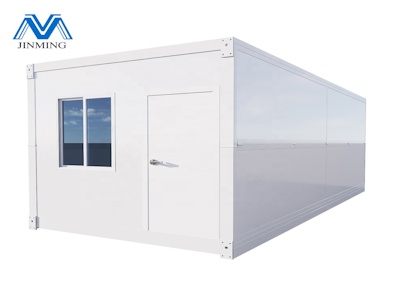
Модульные контейнерные здания – это сооружения, собранные из предварительно изготовленных модулей, обычно на основе стальных контейнеров. Эти модули производятся на заводах, а затем транспортируются на место сборки, где они соединяются для создания конечной структуры. Такой подход позволяет значительно сократить время строительства и минимизировать отходы, делая процесс более управляемым и предсказуемым.
Исторически контейнеры использовались primarily для транспортировки грузов, но их прочная конструкция и стандартизированные размеры сделали их идеальными для адаптации в жилые и коммерческие помещения. Первые эксперименты с контейнерными зданиями начались в середине 20 века, но настоящий бум произошел в последние десятилетия, благодаря advancements в технологиях и растущему интересу к устойчивому развитию.
Основные характеристики модульных контейнерных зданий включают:
- Модульность: возможность комбинировать multiple контейнеров для создания зданий различных размеров и конфигураций.
- Прочность: стальная конструкция обеспечивает высокую durability и resistance к внешним воздействиям.
- Стандартизация: использование common размеров упрощает проектирование и logistics.
- Гибкость: легко адаптировать для различных целей, от жилья до офисов и retail spaces.
Эти особенности делают модульные контейнерные здания attractive option для modern потребителей, ищущих быстрые и cost-effective solutions.
Экономическая эффективность: почему это выгодно?
Одним из главных преимуществ модульных контейнерных зданий является их экономическая эффективность. По сравнению с traditional строительством, они предлагают significant savings в нескольких аспектах.
Во-первых, стоимость материалов и labor значительно ниже. Поскольку модули производятся на заводах в controlled условиях, это reduces waste и оптимизирует использование resources. Например, по данным industry reports, модульное строительство может быть на 20-30% дешевле traditional methods, благодаря mass production и reduced on-site work.
Во-вторых, время строительства сокращается dramatically. В то время как traditional project может занять months или даже years, модульное здание можно собрать за weeks. Это not only saves money на labor costs, но и позволяет быстрее начать использовать space, что особенно важно для бизнесов, стремящихся к rapid expansion.
Кроме того, модульные контейнерные здания often имеют lower operational costs. Их design может включать energy-efficient features, такие как insulation и solar panels, что reduces utility bills. Также, их modular nature означает, что они легко expandable или reconfigurable, avoiding the need for costly renovations в future.
Реальные примеры демонстрируют эти benefits. Например, в США компания used контейнерные модули для создания affordable housing projects, где costs were cut by 40% compared to conventional builds. В России, similar initiatives появляются в major cities, offering budget-friendly options для молодых семей и startups.
Однако, важно отметить potential drawbacks, такие как initial investment в customization или limited design flexibility compared to custom-built structures. Но для большинства applications, экономические преимущества перевешивают эти minor issues.
Экологичность и устойчивое развитие
В эпоху climate change и growing environmental awareness, модульные контейнерные здания выделяются как sustainable alternative to traditional construction. Их eco-friendly attributes contribute to a greener future.
Прежде всего, использование recycled materials является key factor. Морские контейнеры often repurposed from retired shipping containers, reducing the demand for new steel production. Это not only conserves natural resources, но и minimizes carbon footprint, так как manufacturing new materials is energy-intensive.
Кроме того, модульное строительство generates less waste. На заводах, отходы materials могут быть better managed и recycled, whereas on-site construction often leads to significant debris. Studies show that modular methods can reduce construction waste by up to 90%, making them a leader in sustainable practices.
Энергоэффективность также plays a role. Контейнерные здания могут быть equipped with advanced insulation, energy-efficient windows, and renewable energy systems, such as solar panels. Это lowers energy consumption и reduces greenhouse gas emissions. Например, в Европе, многие modular buildings achieve high energy ratings, contributing to national sustainability goals.
С точки зрения lifecycle, модульные здания are often designed for disassembly and reuse. Это means that at the end of their life, components can be recycled or repurposed, further enhancing their environmental credentials. Compare this to traditional buildings, which often end up as demolition waste.
Case studies illustrate this well. В Нидерландах, проект Keetwonen used контейнеры для создания student housing, emphasizing recycling and low energy use. В России, initiatives like eco-friendly offices in Moscow demonstrate how modular construction can align with green building standards.
Overall, модульные контейнерные здания offer a practical path towards sustainable living, appealing to environmentally conscious consumers and businesses alike.
Гибкость и адаптивность в использовании
Гибкость – еще одно major advantage модульных контейнерных зданий. Их modular design allows for incredible adaptability to various needs and environments.
Для жилых purposes, контейнерные дома can be customized to include multiple rooms, kitchens, bathrooms, and even luxury features. Они идеально подходят для temporary housing, such as after natural disasters, or for permanent residences in urban areas where space is limited. Например, в Японии, контейнерные apartments популярны среди молодежи due to their affordability and modern design.
В коммерческом секторе, эти здания используются для offices, retail stores, cafes, and pop-up shops. Их mobility means they can be easily relocated, making them perfect for businesses that need flexibility. В events industry, контейнерные structures serve as ticket booths, information centers, or even stages.
Образовательные и медицинские применения также growing. Schools and clinics in remote areas benefit from quick deployment of modular buildings, ensuring access to essential services. During the COVID-19 pandemic, контейнерные modules were used for temporary hospitals and testing centers, showcasing their rapid response capability.
Технологии enhance this flexibility. With innovations in modular design, здания can be equipped with smart home systems, allowing for remote control of lighting, heating, and security. This integration with IoT devices makes them not only adaptable but also future-proof.
Однако, challenges exist, such as zoning regulations and perceptions of quality. In some regions, local laws may restrict the use of container buildings, but as awareness grows, these barriers are gradually being overcome. Design innovations also address aesthetic concerns, with many modern container buildings featuring stylish exteriors that blend seamlessly with traditional architecture.
В целом, гибкость модульных контейнерных зданий делает их универсальным solution для rapidly changing world.
Быстрота строительства и мобильность
Скорость строительства – одно из самых compelling benefits модульных контейнерных зданий. В contrast to traditional methods, которые могут drag on for months, modular construction is remarkably fast.
Процесс begins with factory production of modules, which occurs concurrently with site preparation. Это parallel workflow significantly cuts down overall project time. Например, while foundations are being laid on-site, modules are being manufactured off-site, reducing delays caused by weather or other on-site issues.
Once modules are ready, they are transported to the site and assembled using cranes and other equipment. This phase can be completed in a matter of days or weeks, depending on the size of the project. For instance, a small residential unit might be assembled in just a few days, whereas a larger commercial building could take a couple of weeks.
Мобильность is another key aspect. Контейнерные здания can be easily disassembled and moved to new locations, making them ideal for temporary needs or for businesses that anticipate relocation. This is particularly valuable in industries like mining or construction, where workforce housing must be portable.
Real-world examples abound. В humanitarian contexts, organizations like the Red Cross use container buildings for emergency shelters, deploying them quickly in disaster zones. В commercial settings, companies set up pop-up stores in high-traffic areas, capitalizing on seasonal demand without long-term commitments.
Конечно, there are considerations, such as transportation costs and site access. Moving large modules requires careful planning and may involve permits for oversized loads. But for most applications, the benefits of speed and mobility far outweigh these logistical challenges.
This rapid deployment not only saves time and money but also allows for quicker ROI, especially in business environments where time-to-market is critical.
Применение в современной жизни: от housing до коммерции
Модульные контейнерные здания находят diverse applications в modern life, охватывая everything from residential to commercial and institutional uses.
В residential sector, они предлагают affordable housing solutions. В urban areas, где property prices are soaring, контейнерные дома provide a cost-effective alternative for first-time buyers or renters. Они также popular as vacation homes or backyard offices, thanks to their compact size and ease of installation.
Коммерческие применения include retail spaces, restaurants, and offices. Многие startups prefer container offices for their low overhead and trendy appeal. Например, в Silicon Valley, several tech companies have adopted container-based campuses to foster creativity and collaboration.
Общественные и institutional uses are equally important. Schools, libraries, and community centers made from containers can be quickly established in underserved areas. В healthcare, mobile clinics and temporary hospitals benefit from the hygiene and durability of container construction.
Специальные применения, such as art studios, gyms, or even hotels, demonstrate the versatility of these buildings. В tourism, container hotels have become a niche trend, offering unique experiences for travelers while promoting sustainability.
Trends indicate growing adoption. With advancements in design, container buildings are becoming more aesthetically pleasing, incorporating elements like green roofs and large windows to enhance livability. In countries like Germany and Australia, government initiatives support modular construction for public housing, recognizing its efficiency and sustainability.
Однако, успех depends on proper planning and customization. It's essential to work with experienced architects and builders to ensure that the design meets local codes and user needs. But with the right approach, модульные контейнерные здания can seamlessly integrate into various aspects of contemporary life.
Будущее модульных контейнерных зданий
Будущее модульных контейнерных зданий выглядит bright, с continuous innovations и expanding adoption.
Технологические advancements будут drive growth. Например, integration of AI and IoT will make these buildings smarter, with automated systems for energy management and security. 3D printing could further customize modules, allowing for more complex designs at lower costs.
Рынок trends suggest increased demand, particularly in urban areas facing housing shortages. As populations grow and cities become more crowded, modular construction offers a scalable solution. Governments and private sectors are investing in research to improve materials and techniques, making container buildings even more efficient and sustainable.
Potential challenges include regulatory hurdles and public perception. Some people still view container buildings as temporary or low-quality, but education and successful projects are changing this mindset. Additionally, as the industry scales, there may be issues with supply chain consistency, but these are manageable with proper planning.
В долгосрочной перспективе, модульные контейнерные здания could become a standard in construction, contributing to circular economy principles by promoting reuse and recycling. Their role in disaster resilience and affordable housing will likely expand, making them a cornerstone of modern infrastructure.
Для потребителей, это means more options for flexible, eco-friendly living. Businesses can benefit from reduced costs and increased agility. Overall, the future holds exciting possibilities for this innovative building method.
Заключение
В заключение, модульные контейнерные здания предлагают numerous advantages для современной жизни, включая экономическую эффективность, экологичность, гибкость, и быстроту строительства. Они represent a smart choice for individuals and businesses seeking sustainable and adaptable solutions.
Если вы рассматриваете такой option, рекомендуется проконсультироваться с professionals чтобы выбрать лучший design для ваших needs. С ростом popularity и technological progress, эти здания будут продолжать evolve, offering even greater benefits в future.
Embrace the innovation of modular container buildings and discover how they can enhance your life and contribute to a better world.
Предыдущая страница: Современные контейнерные дома с газоном экологично и стильно
Следующая страница: Контейнеры как выгодное решение для бизнеса будущего
Возвращение