
Простота монтажа контейнерных домов как идеальное решение для быстрого жилья
2025-12-31
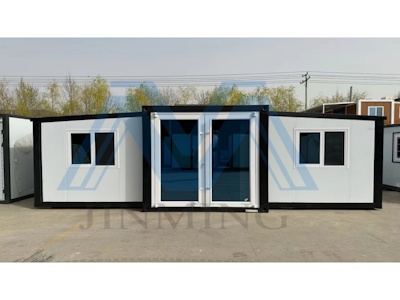
В современном мире, где урбанизация, климатические изменения и экономические вызовы создают растущий спрос на быстрое и доступное жилье, контейнерные дома emerge как инновационное и практичное решение. Их ключевое преимущество — простота монтажа — делает их идеальным выбором для разнообразных сценариев, от временного размещения до постоянного проживания. В этой статье мы подробно рассмотрим, почему контейнерные дома, с их модульной конструкцией и быстрым процессом установки, представляют собой прорыв в области строительства, предлагая экономию времени, средств и ресурсов, при этом отвечая требованиям устойчивого развития.
Введение в контейнерные дома: от морских перевозок к жилым пространствам
Контейнерные дома, изначально разработанные для транспортировки грузов, были адаптированы для жилых целей благодаря своей прочности, стандартизированным размерам и легкости модификации. Стандартный морской контейнер, typically изготовленный из кортеновской стали, обладает исключительной долговечностью и способен выдерживать суровые условия, что делает его идеальной основой для строительства. Процесс преобразования контейнера в жилое пространство involves minimal structural changes, such as adding insulation, windows, doors, and interior fittings, which can be done off-site in controlled environments, further streamlining the installation process.
История контейнерных домов began in the mid-20th century with the rise of containerization in shipping, but it wasn't until the late 1990s and early 2000s that architects and builders started exploring their potential for housing. Pioneers like Adam Kalkin and others demonstrated that these structures could be not only functional but also aesthetically pleasing, leading to a global trend in adaptive reuse. Today, контейнерные дома are used for various purposes, including single-family homes, multi-unit buildings, offices, schools, and even hotels, showcasing their versatility.
Основные преимущества контейнерных домов include their mobility, as they can be transported easily to different locations; their cost-effectiveness, since used containers are readily available and inexpensive; and their environmental benefits, as repurposing containers reduces waste and the need for new construction materials. Moreover, the modular nature allows for scalability – homes can be expanded by adding more containers, making them suitable for growing families or changing needs.
Простота монтажа: ключевой фактор быстрого жилья
Простота монтажа является perhaps the most compelling aspect of контейнерные дома. Unlike traditional construction, which can take months or even years, a container home can be assembled on-site in a matter of weeks or even days, depending on the complexity. This speed is achieved through prefabrication – most components are manufactured and assembled in factories, then shipped to the site for final installation. This approach minimizes on-site labor, reduces weather-related delays, and ensures higher quality control.
Процесс монтажа typically involves several steps: site preparation, foundation laying, container delivery, stacking and securing containers, and then interior and exterior finishing. For a basic single-container home, the on-site work might take only a few days once the foundation is ready. Foundations can be simple, such as concrete piers or slabs, which are quicker to install than traditional full basements. The containers themselves are designed to interlock securely, using standard lifting equipment like cranes, which are widely available.
Сравнение с традиционным строительством highlights the efficiency: traditional homes require extensive framing, roofing, and finishing work on-site, often susceptible to delays from weather, labor shortages, or material shortages. In contrast, container homes leverage industrialized processes, reducing the overall timeline by up to 50-70%. This makes them ideal for urgent housing needs, such as post-disaster recovery, refugee camps, or rapid urban expansion.
Примеры из реальной жизни abound. For instance, in projects like the Container City in London or various developments in China and the United States, entire communities have been built using containers in record time. In emergency situations, organizations like the UN have deployed container-based shelters that can be set up within hours, providing immediate relief. The simplicity also extends to disassembly and relocation, offering flexibility that permanent structures lack.
Экономические выгоды: доступность и рентабельность
Экономическая эффективность контейнерных домов stems from multiple factors. Firstly, the cost of used shipping containers is relatively low, often ranging from $1,500 to $5,000 per unit, depending on size and condition. Even new containers are affordable compared to traditional building materials. Secondly, the reduced construction time translates to lower labor costs and fewer financing expenses, as projects are completed faster.
Бюджетирование для контейнерного дома typically includes costs for the container itself, transportation, foundation, insulation, utilities (plumbing, electrical), interior finishes, and permits. On average, a basic container home can cost 20-40% less than a comparable traditional home. For example, a small 40-foot container home might total $30,000 to $50,000, whereas a similar-sized stick-built home could exceed $100,000. This affordability makes homeownership more accessible, particularly for low-income families or first-time buyers.
Кроме того, эксплуатационные расходы are often lower due to better insulation options and the potential for energy-efficient designs. Containers can be equipped with solar panels, rainwater harvesting systems, and other sustainable features, reducing long-term utility bills. The durability of steel also means less maintenance over time, unlike wood-frame homes that may require frequent repairs.
Инвестиционная привлекательность is another aspect – container homes can be used for rental properties or vacation homes, generating income with minimal upfront investment. Their unique aesthetic can also increase property value in certain markets, appealing to buyers looking for modern, eco-friendly options.
Экологичность и устойчивое развитие
Контейнерные дома align perfectly with principles of sustainable development. By repurposing used shipping containers, they reduce waste and the environmental impact of new construction. Millions of containers are idle worldwide, and giving them a second life prevents them from ending up in landfills or being scrapped, which requires energy-intensive processes.
Уменьшение углеродного следа is significant. Traditional construction consumes vast amounts of resources like timber, concrete, and steel, whereas container homes utilize existing materials. Studies show that building with containers can save up to 50% of the embodied energy compared to conventional methods. Additionally, the modular design allows for efficient use of materials during manufacturing, minimizing off-cuts and waste.
Возможности для зеленых технологий are abundant. Containers can be insulated with eco-friendly materials like sheep's wool or recycled denim, and equipped with energy-efficient windows and doors. They can also integrate renewable energy systems, such as photovoltaic panels or wind turbines, making them nearly self-sufficient. Water conservation measures, like greywater recycling and low-flow fixtures, further enhance sustainability.
Сертификации и стандарты, such as LEED (Leadership in Energy and Environmental Design), often recognize container homes for their green credentials. Many projects aim for net-zero energy consumption, contributing to global efforts against climate change. This environmental benefit, combined with economic advantages, makes container homes a responsible choice for the future.
Гибкость и адаптивность дизайна
Гибкость дизайна is a hallmark of container homes. Their modular nature allows for endless customization – containers can be stacked horizontally or vertically, combined in various configurations, and modified with cut-outs for windows, doors, and open spaces. This enables architects to create unique, functional layouts tailored to specific needs, from compact studios to spacious family homes.
Адаптивность к различным контекстам means container homes can be used in urban, suburban, or rural settings. In cities, they can be stacked to form high-density housing without occupying large footprints, helping address housing shortages. In remote areas, their portability allows for easy transport and setup where traditional construction is impractical. They can also be designed to withstand extreme weather, such as hurricanes or earthquakes, with additional reinforcements.
Инновационные примеры include homes with retractable roofs, movable walls, or hybrid designs that combine containers with other materials. For instance, some projects use containers as structural cores with glass facades for a modern look. The interior can be outfitted with high-end finishes, disproving the myth that container homes are only for basic shelter.
Психологические аспекты also play a role – the simplicity and efficiency of container homes can reduce stress associated with lengthy construction processes. Homeowners appreciate the quick turnaround and the ability to be involved in the design, fostering a sense of ownership and satisfaction.
Вызовы и ограничения
Несмотря на преимущества, контейнерные дома face certain challenges. One major issue is insulation – steel conducts heat easily, so without proper insulation, homes can be too hot in summer and too cold in winter. However, this can be mitigated with advanced insulating materials and techniques, such as spray foam or panel systems, though it adds to the cost.
<2>Пермиты и regulations vary by region, and some areas may have strict building codes that don't accommodate container structures. Obtaining permits can be time-consuming, and homeowners may need to work with engineers to ensure compliance with safety standards, such as structural integrity and fire resistance. Education and advocacy are needed to promote acceptance among regulators and communities.Восприятие и стигма – some people view container homes as low-quality or temporary, but this is changing as more luxurious examples gain visibility. Marketing and awareness campaigns can help shift public opinion, highlighting the durability and design potential.
Технические limitations include the fixed width of containers (typically 8 feet), which can feel narrow, but this can be overcome by combining multiple containers. Also, modifications like cutting openings can weaken the structure if not done properly, requiring professional expertise.
Будущее контейнерных домов и тенденции
Будущее контейнерных домов looks promising, driven by advancements in technology and growing demand for sustainable housing. Trends include the integration of smart home features, such as automated climate control and security systems, which enhance comfort and efficiency. 3D printing and robotics may further streamline the customization and assembly process, reducing costs even more.
Глобальное применение is expanding, with projects in developing countries addressing housing crises, and in developed nations, offering affordable alternatives in expensive markets. Governments and NGOs are increasingly adopting container solutions for social housing and disaster relief, recognizing their speed and scalability.
Инновации в materials, such as using recycled composites for insulation or developing lighter, stronger alloys for containers, could improve performance. Research into carbon-neutral construction methods may make container homes even greener.
В конечном счете, контейнерные дома represent a shift towards more efficient, flexible, and responsible building practices. As urbanization accelerates and climate concerns mount, their role in providing quick, affordable, and eco-friendly housing will only grow, making them a cornerstone of future urban development.
Заключение
В заключение, простота монтажа контейнерных домов делает их идеальным решением для быстрого жилья, offering unparalleled speed, cost savings, and environmental benefits. While challenges exist, they are outweighed by the opportunities for innovation and adaptation. By embracing this modular approach, we can address housing shortages, reduce our ecological footprint, and create sustainable communities for generations to come. Контейнерные дома – это не просто trend, а practical and forward-thinking solution that deserves widespread adoption.
Предыдущая страница: Современные Контейнерные Терминалы Будущее Логистики Уже Здесь
Следующая страница: Обсуждаем эффективность контейнерных пограничных сооружений в современных реалиях
Возвращение