
Жизнь в премиум контейнерах роскошь доступная каждому
2026-01-02
В современном мире, где цены на недвижимость взлетают до небес, а экологические проблемы становятся все более актуальными, многие задаются вопросом: возможно ли сочетать роскошь с доступностью? Один из инновационных ответов на этот вызов — жизнь в премиум контейнера. Но что это на самом деле означает? Это просто временное решение или полноценная альтернатива традиционному жилью? В этой статье мы погрузимся в глубины этого феномена, задавая ключевые вопросы и раскрывая все аспекты жизни в таких конструкциях.
Что такое премиум контейнеры и почему они становятся трендом?
Вы когда-нибудь задумывались, как обычные морские контейнеры могут превратиться в элитное жилье?
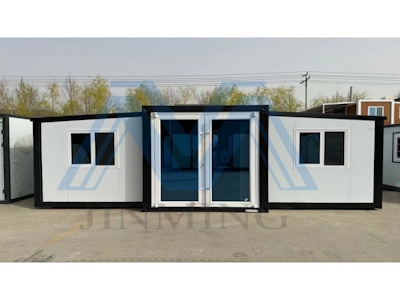
Изначально разработанные для транспортировки грузов, контейнеры прошли долгий путь эволюции. Сегодня, благодаря передовым технологиям и креативному дизайну, они преобразуются в комфортабельные дома, офисы, и даже роскошные апартаменты. Премиум версии отличаются высококачественной отделкой, энергоэффективностью и индивидуальным проектированием. Но почему именно они набирают популярность? Возможно, из-за растущего осознания устойчивого развития — контейнеры часто изготавливаются из переработанных материалов, что снижает углеродный след. Или из-за гибкости: их можно легко модифицировать и перемещать. А может, просто потому, что они предлагают уникальный эстетический appeal, который привлекает современных урбанистов?
Рассмотрим пример: в городах like Москва или Санкт-Петербург, где пространство ограничено, контейнерные дома позволяют эффективно использовать землю. Они могут быть stacked vertically to create multi-story buildings, offering a solution to urban density issues. Moreover, the speed of construction is a major advantage — a container home can be assembled in weeks compared to months for traditional builds. But is this speed compromising quality? Not necessarily, as premium containers undergo rigorous testing for durability, insulation, and safety. They are designed to withstand extreme weather conditions, from harsh winters to hot summers, ensuring a comfortable living environment year-round.
However, the trend isn't just about practicality; it's also about lifestyle. Many people are drawn to the minimalist and modern aesthetic that container homes provide. With sleek designs, open floor plans, and large windows, they offer a sense of freedom and innovation. But does this mean everyone should consider it? Let's explore further by addressing common concerns and benefits.
Насколько доступна роскошь в контейнерных домах?
Можно ли действительно назвать это жилье доступным для каждого, или это лишь иллюзия?
Один из самых частых вопросов — стоимость. По сравнению с традиционными кирпичными или бетонными домами, контейнерные конструкции often come at a lower price point. For instance, a basic container might cost around 500,000 рублей, while a premium version with luxury finishes could reach 2-3 million рублей. In contrast, a similar-sized apartment in a major city might cost 5 million рублей or more. This affordability stems from reduced material costs and faster construction times. But wait, is that the whole story? Additional expenses such as land acquisition, utilities connection, and interior customization can add up. However, for many, the overall investment is still lower, making homeownership more attainable for young families, entrepreneurs, or those seeking a second home.
Moreover, the concept of "luxury" in container homes isn't just about price; it's about value. Premium containers often include features like smart home technology, eco-friendly systems (e.g., solar panels, rainwater harvesting), and high-end appliances. These elements enhance the living experience without breaking the bank. But accessibility also depends on location and regulations. In some regions, zoning laws may restrict container homes, or financing might be harder to secure. Nonetheless, as awareness grows, more banks and governments are adapting, offering loans and incentives for sustainable housing projects.
Let's not forget the psychological aspect: for many, owning a home is a dream, and container homes make that dream achievable sooner. They represent a shift towards mindful consumption — choosing quality over quantity, and sustainability over excess. But is this lifestyle suitable for everyone? Perhaps not, but it opens doors for those who value innovation and efficiency.
Экологичность: миф или реальность?
Действительно ли жизнь в контейнерах помогает планете, или это просто greenwashing?
Экологический аспект — ключевой аргумент в пользу контейнерных домов. Использование переработанных контейнеров reduces waste and conserves resources. Typically, a single container repurposed for housing saves about 3,500 kg of steel from being melted down, which would emit significant CO2. Additionally, these homes can be designed with green roofs, passive solar heating, and energy-efficient insulation, lowering carbon footprints. But critics argue that the process isn't entirely green — for example, painting and insulating containers might involve chemicals, and transportation emissions if containers are shipped long distances.
To address this, premium container manufacturers focus on sustainable practices. They use low-VOC (volatile organic compound) paints, natural insulation materials like wool or recycled denim, and local sourcing to minimize transport impacts. Furthermore, container homes often promote a smaller ecological footprint through reduced energy consumption. With proper design, they can achieve net-zero energy status, meaning they produce as much energy as they use. This is particularly appealing in an era of climate change, where every individual action counts.
However, the reality is nuanced. While container homes are generally more eco-friendly than traditional builds, they are not a silver bullet. Their sustainability depends on how they are implemented. For instance, if placed in remote areas without infrastructure, they might rely on generators, negating some benefits. But overall, when done right, they offer a tangible way to live luxuriously while caring for the environment. This raises another question: how do these homes perform in terms of comfort and durability?
Комфорт и функциональность: что внутри премиум контейнера?
Можно ли чувствовать себя по-настоящему комфортно в металлическом ящике, или это требует компромиссов?
На первый взгляд, идея жизни в контейнере может вызвать ассоциации с теснотой и холодом. Однако премиум контейнеры彻底打破这些 stereotypes. Through innovative design, they can be spacious, well-lit, and thermally efficient. For example, by combining multiple containers, architects create open-plan layouts with high ceilings and large windows that flood the space with natural light. Insulation is critical — premium versions use advanced materials like spray foam or panels that maintain comfortable temperatures in all seasons. In winter, they stay warm without excessive heating, and in summer, they remain cool, reducing reliance on air conditioning.
Interior finishes play a big role in comfort. Luxury container homes feature hardwood floors, modern kitchens, spa-like bathrooms, and customized storage solutions. They can include amenities such as home theaters, gyms, or even rooftop gardens. But functionality isn't just about aesthetics; it's about practicality. Containers are modular, meaning they can be easily expanded or reconfigured as needs change. This is ideal for growing families or home offices. However, there are challenges, such as sound insulation — metal can amplify noise, but this is mitigated with acoustic padding and strategic design.
Another aspect is health and safety. Premium containers are built to meet building codes, with fire-resistant materials and proper ventilation systems. They are structurally sound, capable of withstanding earthquakes or high winds if engineered correctly. But does this mean they are as durable as traditional homes? With maintenance, they can last decades, though rust can be an issue in humid climates — addressed through protective coatings and regular upkeep. Ultimately, the comfort level rivals that of any high-end home, proving that luxury isn't defined by materials but by design and execution.
Социальное восприятие и будущее контейнерного жилья
Будут ли контейнерные дома приняты обществом как норма, или они останушь нишевым явлением?
Исторически, контейнерные дома often faced stigma — seen as temporary or low-quality housing. But perceptions are shifting. As more celebrities and influencers embrace this lifestyle, it gains credibility. For instance, in countries like the Netherlands or USA, container communities are thriving, showcasing their potential for urban revitalization. In Russia, projects are emerging in cities like Kazan or Sochi, demonstrating local adaptability. The key to acceptance lies in education and demonstration. When people see beautifully designed container homes that offer all the comforts of traditional housing, prejudices fade.
The future looks promising. With advancements in technology, we can expect even more innovative designs, such as 3D-printed additions or AI-integrated smart homes. Container housing could play a role in addressing global housing crises, providing affordable and quick solutions for refugees or disaster relief. However, challenges remain, including regulatory hurdles and the need for skilled labor. But as sustainability becomes a priority, governments may incentivize such projects, leading to broader adoption.
In conclusion, life in premium containers is not just a trend; it's a viable path to luxurious, accessible, and eco-friendly living. By asking these questions, we uncover that it is indeed possible for everyone to enjoy роскошь without compromising on values. Whether you're a minimalist, an environmentalist, or simply someone seeking a unique home, container living offers a compelling alternative. So, why not explore it further? The journey towards a more sustainable and luxurious future might start with a simple container.
Эта статья призвана inspire readers to rethink what luxury means and consider innovative housing solutions. If you have more questions or want to share your thoughts, feel free to engage in the comments below!
Предыдущая страница: Как выбрать контейнерную морозильную камеру для бизнеса
Следующая страница: Современный Логистический Центр в Контейнерах Революция в Грузоперевозках
Возвращение