
Как работает контейнерная теплица и почему это выгодно
2026-01-03
Современный мир сталкивается с множеством вызовов: рост населения, изменение климата, нехватка сельскохозяйственных земель и потребность в устойчивых продовольственных системах. В этом контексте инновационные решения, такие как контейнерные теплицы, становятся все более актуальными. Но как именно они работают? И почему они могут быть так выгодны? В этой статье мы глубоко погрузимся в эти вопросы, исследуя технические детали, экономические преимущества и будущие перспективы.
Что такое контейнерная теплица?
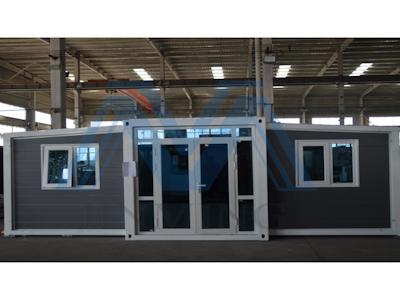
Контейнерная теплица – это модифицированный морской контейнер, оснащенный системами для выращивания растений в контролируемых условиях. Обычно стандартный контейнер (например, 20- или 40-футовый) преобразуется в автономную сельскохозяйственную единицу с использованием технологий, таких как LED-освещение, гидропоника или аэропоника, системы климат-контроля и автоматизации. Эти теплицы могут быть установлены практически где угодно: в городах, на заброшенных территориях или даже в удаленных районах, что делает их универсальным инструментом для современного фермерства.
Идея не нова – контейнеры давно используются для транспортировки грузов, но их адаптация для сельского хозяйства началась относительно недавно, благодаря развитию технологий. Например, компании like Freight Farms и CropBox pioneered this concept, демонстрируя, как старые контейнеры могут получить новую жизнь. Это не просто мода, а практичное решение для увеличения продовольственной безопасности и снижения экологического следа.
Принципы работы контейнерной теплицы
Чтобы понять, как работает контейнерная теплица, давайте разберем ее на ключевые компоненты. В основе лежит изолированная среда, которая позволяет точно контролировать все факторы роста растений.
Структура и изоляция
Контейнеры изначально designed for durability, with steel construction that provides excellent insulation when modified. Стены, пол и потолок often lined with insulating materials like foam or reflective panels to maintain stable temperatures. This is crucial for energy efficiency, as it reduces the need for excessive heating or cooling. Doors are sealed to prevent light leakage and contamination, ensuring a sterile environment for plant growth.
Освещение: LED-технологии
One of the most critical aspects is lighting. Since containers are enclosed, natural sunlight is limited or absent. Instead, advanced LED lights are used, which can be tuned to specific spectrums (e.g., blue for vegetative growth, red for flowering). These lights are energy-efficient and can be programmed to simulate day-night cycles, optimizing plant photosynthesis. For instance, leafy greens like lettuce thrive under certain light conditions that LEDs can provide consistently.
Системы выращивания: гидропоника и аэропоника
Most container farms use soilless methods such as hydroponics or aeroponics. In hydroponics, plants grow in a nutrient-rich water solution, with roots suspended or supported by mediums like rockwool. Aeroponics takes it a step further by misting roots with nutrients, reducing water usage by up to 95% compared to traditional farming. These systems allow for faster growth rates and higher yields in a compact space. Automation plays a key role here – sensors monitor pH levels, nutrient concentrations, and water flow, adjusting everything in real-time via software.
Климат-контроль
Temperature, humidity, and CO2 levels are tightly regulated. HVAC systems (heating, ventilation, and air conditioning) ensure optimal conditions year-round, regardless of external weather. For example, in cold climates, heaters maintain warmth, while in hot areas, coolers prevent overheating. CO2 enrichment can boost photosynthesis, leading to larger harvests. This level of control is impossible in open-field farming, where crops are at the mercy of nature.
Автоматизация и IoT
Modern container farms are often connected to the Internet of Things (IoT). Cameras, sensors, and controllers collect data on plant health, environmental conditions, and system performance. This data is analyzed by AI algorithms to predict issues, optimize growth, and even automate tasks like harvesting. Farmers can monitor their farms remotely via smartphones, reducing labor costs and increasing efficiency.
Почему контейнерные теплицы выгодны?
Теперь, когда мы понимаем, как они работают, давайте explore why they are beneficial. The advantages span economic, environmental, and social dimensions.
Экономическая выгода
First and foremost, container farms can be highly profitable. Initial investment might seem high (e.g., $50,000 to $150,000 for a equipped container), but the returns can be substantial. Here's why:
- Высокая урожайность: Thanks to controlled environments, crops can be grown year-round with multiple harvests per year. For example, a single container can produce相当于 acre of traditional farm land in terms of output, but with less space and resources.
- Снижение затрат на транспорт: By locating farms near urban centers, transportation costs and time are minimized. Fresh produce can be delivered to local markets within hours, reducing spoilage and increasing freshness, which commands premium prices.
- Энергоэффективность: While energy usage for lighting and climate control is a cost, advancements in renewable energy (e.g., solar panels) can offset this. Moreover, the precision of systems means less waste – for instance, water recycling in hydroponics cuts water bills significantly.
- Масштабируемость:** Businesses can start small with one container and expand modularly as demand grows. This reduces risk compared to investing in large-scale traditional farms.
Case studies show that container farms can achieve payback periods of 2-3 years, with ongoing profits from high-value crops like microgreens, herbs, or strawberries.
Экологическая выгода
Container farms are a win for the planet. They address several environmental issues:
- Сохранение воды: Hydroponic and aeroponic systems use up to 90% less water than soil-based farming, crucial in drought-prone areas.
- Сокращение пестицидов: The enclosed environment minimizes pest invasions, reducing or eliminating the need for chemical pesticides. This leads to cleaner, organic produce.
- Уменьшение углеродного следа: Local production cuts down on food miles – the distance food travels from farm to table. This lowers greenhouse gas emissions associated with transportation.
- Переработка контейнеров: Using retired shipping containers gives them a second life, reducing waste and promoting circular economy principles.
Социальная выгода
Beyond economics and environment, container farms foster community resilience:
- Продовольственная безопасность: They can be deployed in food deserts – urban areas with limited access to fresh food – improving nutrition and health outcomes.
- Создание jobs: While automated, these farms still require skilled labor for maintenance and management, creating opportunities in tech-driven agriculture.
- Образование и innovation: Schools and communities can use container farms for educational purposes, teaching sustainable practices and STEM skills.
Реальные примеры и успешные кейсы
To illustrate these benefits, let's look at some real-world examples. Freight Farms, a leader in the field, has deployed thousands of containers worldwide. In Boston, a startup used a container farm to supply restaurants with fresh greens, turning a profit within a year. In Dubai, where arable land is scarce, container farms are being used to enhance food security with minimal water usage. Another example is in sub-Saharan Africa, where mobile container farms help communities grow food in arid regions.
These cases highlight the versatility – from high-tech urban settings to remote, challenging environments, container farms adapt and thrive.
Вызовы и ограничения
Of course, no technology is perfect. Container farms face challenges such as high upfront costs, energy dependency (though renewables help), and the need for technical expertise. However, as technology advances and becomes more affordable, these barriers are lowering. Government incentives and grants for sustainable agriculture can also support adoption.
Будущее контейнерных теплиц
The future looks bright. With advancements in AI, robotics, and renewable energy, container farms will become even more efficient and accessible. We might see integration with vertical farming in skyscrapers or use in space agriculture for Mars missions. The potential is limitless, and as global challenges intensify, solutions like these will be crucial.
Заключение
In summary, контейнерные теплицы work by leveraging controlled environments, advanced technologies, and automation to grow plants efficiently. They are выгодны due to economic profitability, environmental sustainability, and social benefits. Whether you're an entrepreneur, farmer, or simply curious, embracing this innovation could be a step towards a greener, more food-secure future. So, why not explore how you can get involved? The journey starts with a single container.
This article has covered the essentials, but there's always more to learn. Stay tuned for updates on this exciting field!
Предыдущая страница: надежный и безопасный дом в контейнере защита от взлома для вашей семьи
Следующая страница: Современные жилища из контейнеров: прочные двери и стильный дизайн
Возвращение