
Почему выбирают модульные дома из контейнеров
2026-01-04
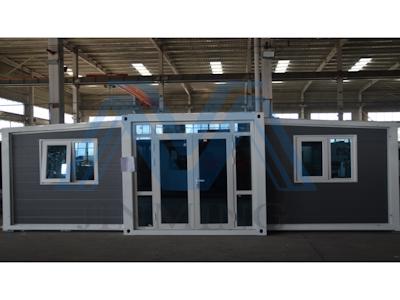
В современном мире строительная индустрия постоянно ищет инновационные решения, которые могут удовлетворить растущие потребности в жилье, коммерческих пространствах и общественных объектах. Одним из таких решений, набирающих всё большую популярность, являются модульные дома из контейнеров. Эти конструкции, созданные на основе стандартных морских контейнеров, предлагают уникальное сочетание гибкости, экономичности и экологической устойчивости. В этой статье мы подробно рассмотрим, почему всё больше людей и компаний выбирают модульные дома из контейнеров, анализируя их преимущества, применения, тенденции рынка и будущие перспективы.
Введение в модульные дома из контейнеров
Модульные дома из контейнеров — это тип быстровозводимых зданий, которые используют переработанные или новые морские контейнеры в качестве основных строительных блоков. Эти контейнеры, обычно изготовленные из прочной стали, предназначены для перевозки грузов через океаны, что делает их исключительно прочными и долговечными. Концепция преобразования контейнеров в жилые или коммерческие пространства возникла в середине 20 века, но настоящий бум произошёл в последние два десятилетия благодаря развитию технологий и растущему интересу к устойчивому развитию.
История модульных домов из контейнеров начинается с инноваций в логистике. Морские контейнеры, стандартизированные в 1950-х годах, revolutionized global trade, но со временем многие из них вышли из употребления из-за износа или изменения требований. Вместо утилизации, предприимчивые умы начали видеть в них потенциал для строительства. Первые примеры таких домов появились в 1980-х годах, но массовое признание пришло в 2000-х годах, когда архитекторы и строители осознали их преимущества в скорости возведения и cost-effectiveness.
Основные характеристики модульных контейнерных домов включают модульность — возможность комбинировать多个 контейнеров для создания различных конфигураций, от небольших студий до многоэтажных комплексов. Они также отличаются высокой прочностью, устойчивостью к погодным условиям, и возможностью быстрой сборки на месте. Это делает их идеальными для разнообразных применений, от временного жилья до постоянных резиденций и офисных зданий.
В сравнении с традиционным строительством, модульные дома из контейнеров предлагают значительные преимущества. Традиционные методы often involve lengthy processes, high costs, and substantial waste, whereas container homes can be prefabricated off-site, reducing construction time by up to 50% and minimizing environmental impact. This efficiency is one of the key reasons behind their growing adoption worldwide.
Экономические преимущества модульных домов из контейнеров
Одной из primary reasons для выбора модульных домов из контейнеров является их экономическая выгода. Стоимость строительства таких домов typically lower than that of conventional buildings. Например, средняя стоимость модульного дома из контейнеров может варьироваться от $10,000 до $50,000 за единицу, в зависимости от размера, отделки и местоположения, в то время как традиционный дом similar size может стоить $100,000 или more. This cost savings stems from several factors.
First, the use of recycled containers reduces material costs. Many containers are available at low prices due to surplus from shipping industries. Second, prefabrication allows for bulk purchasing and efficient manufacturing processes, cutting down on labor and material waste. Additionally, construction time is shorter, which means lower financing costs and earlier occupancy, leading to faster return on investment for commercial projects.
Case studies illustrate these economic benefits. For instance, in the United States, companies like Container Homes USA have built affordable housing projects where costs were reduced by 30-40% compared to traditional methods. In Europe, projects in Germany and the Netherlands have shown similar savings, with container homes being used for student housing and emergency shelters, providing quick and cost-effective solutions.
Moreover, модульные дома из контейнеров offer scalability. Businesses can start with a small unit and expand as needed, avoiding large upfront investments. This flexibility is particularly valuable for startups and growing companies that need adaptable space without committing to long-term leases or expensive construction.
However, it's important to note potential hidden costs, such as insulation, ventilation, and permits, which can add to the overall expense. But with proper planning, these can be managed effectively, still resulting in net savings.
Экологические аспекты и устойчивость
В эпоху growing environmental consciousness, модульные дома из контейнеров shine as a sustainable building option. Their environmental benefits are multifaceted, starting with the reuse of materials. By repurposing shipping containers, we reduce waste and the demand for new steel production, which is energy-intensive and contributes to carbon emissions. It's estimated that recycling a single container saves about 3,500 kg of steel and reduces CO2 emissions by approximately 7,000 kg compared to producing new materials.
Additionally, the construction process for container homes generates less waste. Since modules are fabricated in controlled factory environments, there is minimal on-site debris, and materials can be optimized to avoid excess. This contrasts with traditional construction, where up to 30% of materials often end up as waste.
Energy efficiency is another strong point. Container homes can be designed with high levels of insulation, solar panels, and other green technologies to minimize energy consumption. For example, adding spray foam insulation and energy-efficient windows can make these homes as efficient as any modern building, sometimes even achieving net-zero energy status.
Examples of eco-friendly container projects abound. In Australia, the "Container Camp" project uses containers for off-grid living, incorporating rainwater harvesting and solar power. In Africa, organizations like Peace Corps have deployed container homes for aid workers, emphasizing sustainability and low environmental impact.
Furthermore, the modular nature allows for easy disassembly and relocation, reducing the ecological footprint associated with demolition and new construction. This aligns with circular economy principles, where resources are kept in use for as long as possible.
Гибкость и адаптивность дизайна
Гибкость is a hallmark of модульные дома из контейнеров. Their design can be tailored to almost any need, from minimalist tiny homes to luxurious multi-container villas. The standard sizes of containers (e.g., 20-foot or 40-foot lengths) provide a modular framework that architects can creatively manipulate.
Design possibilities are endless. Containers can be stacked horizontally or vertically, combined with open spaces, or integrated with traditional materials like wood and glass to create unique aesthetics. Interior layouts can include open-plan living areas, multiple bedrooms, kitchens, and bathrooms, all customized during the prefabrication stage.
This adaptability makes container homes suitable for various applications. They are used as residential homes, offices, retail spaces, schools, hospitals, and even hotels. For instance, the Freitag flagship store in Zurich is built from containers, showcasing innovative retail design. In disaster relief, container homes provide quick, durable shelter that can be deployed rapidly.
Customization options are vast. Owners can choose finishes, colors, and features to match their preferences. Technological integrations, such as smart home systems, can be easily incorporated during manufacturing. This level of personalization is often harder to achieve with traditional construction without significant cost overruns.
Moreover, the ability to relocate container homes adds to their flexibility. If a family moves or a business expands, the home can be disassembled and transported to a new location, preserving the investment and reducing waste.
Быстрота строительства и простота монтажа
Скорость construction is a major advantage of модульные дома из контейнеров. Unlike traditional buildings that can take months or years to complete, container homes can be ready for occupancy in weeks. This is because the modules are manufactured off-site in factories while site preparation occurs simultaneously.
The construction process involves several steps: design and planning, fabrication of containers (including cutting doors/windows, adding insulation, and interior finishes), transportation to the site, and assembly. On-site work is minimized to foundation laying and connecting utilities, which drastically reduces construction time.
For example, a simple container home might take 4-8 weeks from order to move-in, whereas a comparable traditional home could take 6-12 months. This speed is crucial for time-sensitive projects, such as emergency housing after natural disasters or rapid commercial expansions.
Logistics are straightforward. Containers are designed for easy transport via truck, rail, or ship, making them accessible even in remote areas. Assembly requires cranes and basic tools, but skilled labor is less intensive than in conventional construction.
However, challenges like obtaining permits and ensuring structural integrity must be addressed. In many regions, building codes are adapting to include container construction, but it's essential to work with experienced professionals to navigate regulations.
Overall, the efficiency of construction not only saves time but also reduces disruption to the surrounding environment and community.
Прочность и долговечность
Модульные дома из контейнеров are renowned for their durability. Shipping containers are built to withstand harsh marine environments, including saltwater, high winds, and heavy loads. Made from corten steel, they are resistant to corrosion and can last for decades with proper maintenance.
Structural integrity is exceptional. Containers are designed to be stacked up to nine high when loaded, indicating their strength. When modified for housing, additional reinforcements can be added to handle seismic activities or extreme weather, making them suitable for various climates.
Maintenance requirements are relatively low. Regular inspections for rust and painting with protective coatings can extend their lifespan. In comparison to wood-frame houses, which may suffer from rot or pest damage, steel containers offer superior resilience.
Long-term performance is reliable. Many container homes have been in use for over 20 years with minimal issues. For instance, in places like California, where earthquakes are common, container homes have proven to be stable when properly anchored.
This durability translates to cost savings over time, as repair and replacement costs are reduced. It also provides peace of mind for owners, knowing their investment is built to last.
Применения в различных сферах
Модульные дома из контейнеров find applications across multiple sectors due to their versatility. In residential use, they are popular as primary homes, vacation properties, or accessory dwelling units (ADUs). Their compact size and efficiency appeal to those seeking minimalist living or affordable housing solutions.
Commercial applications include offices, retail stores, pop-up shops, and restaurants. The mobility of containers allows businesses to test new locations without long-term commitments. For example, food truck parks often use container-based kitchens.
Institutional uses are growing, with schools, clinics, and community centers built from containers. They provide quick solutions for underserved areas or temporary facilities during renovations.
Industrial and storage uses are straightforward, as containers naturally suit warehousing and logistics. However, with modifications, they can serve as comfortable workspaces.
Case studies highlight success stories. In Kenya, container schools have been built to address education shortages. In the United States, companies like Starbucks have used container stores for drive-thru locations. These examples demonstrate the broad utility of container architecture.
Future trends may include more innovative uses, such as floating homes or integrated smart cities, leveraging the modularity for scalable development.
Тенденции рынка и будущее развитие
The market for модульные дома из контейнеров is experiencing rapid growth. Globally, the modular construction market is projected to reach $100 billion by 2025, with container homes being a significant segment. Drivers include urbanization, housing shortages, and increased environmental awareness.
In regions like North America and Europe, demand is fueled by the tiny house movement and sustainable living trends. In Asia, rapid urbanization in countries like China and India is leading to adoption for affordable housing projects.
Technological advancements are shaping the future. Improvements in insulation materials, 3D printing for custom components, and IoT integration are making container homes more comfortable and efficient. Automation in manufacturing is reducing costs further.
Challenges remain, such as regulatory hurdles and perceptions about container homes being inferior. However, as more successful projects emerge, these barriers are diminishing.
The future looks promising. We may see more hybrid designs combining containers with other materials, and increased use in disaster resilience and space-efficient urban planning. Ultimately, container homes are poised to become a mainstream option in the construction industry.
Заключение
В заключение, модульные дома из контейнеров предлагают compelling combination of economic, environmental, and practical benefits. Their cost-effectiveness, sustainability, design flexibility, rapid construction, durability, and diverse applications make them an attractive choice for individuals and organizations alike. As the world grapples with challenges like housing crises and climate change, container homes represent a innovative solution that aligns with modern needs.
By choosing модульные дома из контейнеров, we not only save money and time but also contribute to a more sustainable future. Whether for a cozy home, a dynamic office, or a community project, these structures demonstrate that creativity and efficiency can go hand in hand. We encourage readers to explore this option and consider how it might fit their own goals and values.
For those interested, consulting with experts and researching local regulations is a good first step. The journey towards a container home could be the start of a smarter, greener way of living.
Предыдущая страница: Почему контейнерные мастерские становятся популярным решением
Следующая страница: Современные контейнерные гаражные решения для сельхозтехники
Возвращение