

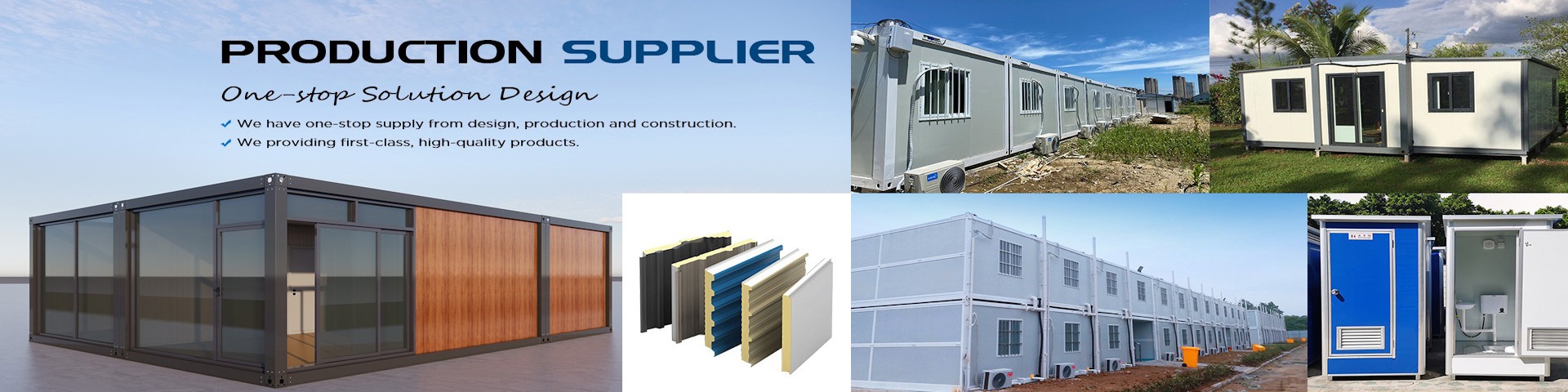
Как выбрать качественный станий контейнер для дома
2026-01-05
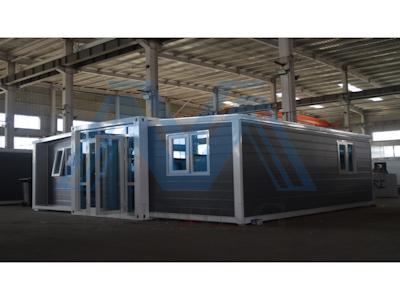
Выбор качественного стального контейнера для дома – это важный шаг, который может значительно повлиять на долговечность, безопасность и комфорт вашего жилья. В последние годы дома из морских контейнеров стали популярными благодаря своей экологичности, скорости строительства и относительно низкой стоимости. Однако, не все контейнеры одинаковы, и неправильный выбор может привести к серьезным проблемам, таким как коррозия, плохая теплоизоляция или структурные слабости. В этой статье мы подробно рассмотрим ключевые аспекты выбора качественного стального контейнера, начиная от понимания основных типов и заканчивая практическими советами по осмотру и покупке. Мы также обсудим, как интегрировать контейнер в ваш домовой проект, учитывая климатические условия и личные потребности. Цель – помочь вам сделать informed decision и наслаждаться надежным и стильным домом на годы вперед.
Почему стоит выбрать станий контейнер для дома?
Стальные контейнеры, изначально designed для морских перевозок, обладают уникальными свойствами, которые делают их идеальными для жилищного строительства. Во-первых, они чрезвычайно прочны и долговечны. Сделанные из высококачественной стали, они могут выдерживать экстремальные погодные условия, включая ураганы, снегопады и даже землетрясения, если properly модифицированы. Это особенно важно для регионов с суровым климатом, где традиционные building materials могут не справиться. Во-вторых, контейнеры modularны, что позволяет easily комбинировать их для создания custom designs – от маленьких студий до spacious семейных домов. Такая гибкость открывает endless possibilities для архитектурного творчества. Кроме того, использование контейнеров promotes устойчивое развитие, так как они often recycled, reducing the environmental impact compared to new construction. Например, переработка одного контейнера может save up to 3500 kg of steel and reduce CO2 emissions. Однако, чтобы fully воспользоваться these benefits, необходимо выбрать container that is in good condition and suitable for residential use. В следующем разделе мы углубимся в types of containers available.
Types of Steel Containers: 20ft, 40ft, and High Cube
При выборе контейнера для дома, первое, что нужно учитывать – это его размер. Наиболее common types include 20-foot, 40-foot, and high cube containers. 20-foot контейнеры (approximately 6 meters long) идеальны для small spaces, таких как guest rooms, offices, or tiny homes. Они compact и easy to transport, но могут feel cramped if not properly designed. 40-foot контейнеры (about 12 meters long) offer more space, suitable for larger living areas or multiple rooms. High cube containers are similar to standard 40-foot ones but have extra height (usually 9.5 feet instead of 8.5 feet), providing more vertical space for ceilings, insulation, or storage. This additional height can make a significant difference in comfort, especially if you plan to add internal features like lofts or mezzanines. When deciding on size, consider your budget, available land, and intended use. For instance, a 40-foot high cube might cost more but offer better livability. It's also possible to combine multiple containers – e.g., two 20-foot units for a modular home. Always measure your site and consult with architects to ensure the chosen size fits your vision. In the following parts, we'll explore how to assess the condition of a container, as size alone isn't enough; quality is paramount.
Key Factors to Consider: Material, Thickness, and Coatings
Качество стали и ее обработка critically влияют на durability контейнера. Most containers are made from Corten steel, a type of weathering steel that forms a protective rust layer, slowing down further corrosion. However, not all Corten steel is equal; thickness matters. Standard containers have steel walls around 1.6mm to 2mm thick, but for residential use, opting for thicker steel (e.g., 2.5mm or more) can enhance structural integrity, especially if modifications are planned, like cutting windows or doors. Thicker steel is less prone to dents and damage during transport or installation. Additionally, check the coatings. New containers often have factory-applied paints or coatings that protect against rust, while used containers might have wear. Look for containers with intact coatings or consider recoating them with anti-corrosive paints. Inspect for signs of rust, particularly in corners and floors, as these areas are vulnerable. If rust is present, it should be surface-level and not penetrating, as deep rust can compromise strength. For extreme climates, additional treatments like galvanization might be necessary. Remember, a well-maintained container can last decades, but neglect can lead to early failure. Next, we'll discuss how to physically inspect a container before purchase.
Inspecting for Damage: Dents, Rust, and Structural Issues
Перед покупкой, тщательный осмотр контейнера essential. Start with the exterior: look for dents, especially large ones that might indicate impact damage. While small dents are common and often cosmetic, significant deformations could affect structural stability. Use a flashlight to check the interior, focusing on the floor and walls. The floor is typically made of marine plywood or steel, and should be solid without soft spots or holes, which could signal water damage or pest infestation. For rust, pay attention to areas where moisture accumulates, such as the bottom corners and door seals. Poke suspected rust spots with a tool; if it flakes easily or reveals holes, avoid that container. Structural issues include bent frames or misaligned doors, which can make stacking or modifying difficult. If possible, hire a professional inspector or use a moisture meter to detect hidden problems. Also, consider the container's history – one used for hazardous materials might have contaminants, so always ask for documentation. A container that has been well-maintained or recently refurbished is a safer bet. In the next section, we'll cover modifications and how to adapt a container for living.
Modifications for Residential Use: Insulation, Windows, and Doors
Чтобы превратить контейнер в comfortable home, modifications are necessary. Insulation is crucial for temperature control and energy efficiency. Spray foam insulation is popular as it provides a tight seal and adds structural strength, but it can be expensive. Alternatively, use rigid foam boards or batt insulation, ensuring proper vapor barriers to prevent condensation, which can lead to rust. Windows and doors need to be cut into the steel, which requires careful planning to maintain structural integrity. Always work with experienced professionals who can reinforce cut areas with steel frames. Double-glazed windows are recommended for better insulation and noise reduction. Additionally, consider ventilation systems to avoid moisture buildup. Electrical and plumbing installations should be done by licensed contractors to meet building codes. Think about interior finishes – drywall, flooring, and ceilings can make the space feel homely. Budget for these modifications, as they can add significant cost to the project. For example, insulating a 40-foot container might cost between $2000 and $5000 depending on materials. Plan ahead to avoid surprises. Later, we'll talk about legal and zoning considerations.
Legal and Zoning Considerations: Permits and Regulations
Before buying a container, research local building codes and zoning laws. Not all areas allow container homes, or they may have specific requirements regarding size, placement, and appearance. Obtain necessary permits for construction, which might involve submitting plans to local authorities. In some regions, containers are classified as temporary structures, so ensure yours meets permanent dwelling standards. This includes foundations – a proper foundation is vital to prevent settling and water issues. Options include concrete slabs, piers, or helical piles, chosen based on soil conditions. Also, consider homeowners association rules if applicable, as they might restrict unconventional builds. Insurance can be another hurdle; some companies may be hesitant to insure container homes, so shop around for policies that cover them. Engaging with local officials early can save time and money. For instance, in rural areas, regulations might be laxer, but in cities, you might face more scrutiny. Always prioritize safety and compliance to avoid legal troubles down the line. In the following part, we'll explore cost factors and budgeting.
Cost Analysis: Budgeting for Purchase and Modifications
Стоимость контейнерного дома varies widely based on factors like size, condition, and modifications. A used 20-foot container might cost between $1500 and $3000, while a new one can be $4000 to $6000. 40-foot containers range from $2500 to $5000 for used and $6000 to $10000 for new. High cube versions add about 10-20% to the price. However, the purchase price is just the beginning. Modifications can double or triple the total cost. For example, insulation might add $2000-$5000, windows and doors $1000-$3000 per opening, and electrical/plumbing $5000-$15000 depending on complexity. Foundations can cost $5000-$20000. Don't forget delivery fees, which depend on distance – typically $500 to $2000. To save money, consider buying from reputable suppliers who offer refurbished containers, or DIY some aspects if you have skills. Set a realistic budget and include a contingency fund for unexpected expenses. Overall, a basic container home might cost $20000 to $50000, while luxury versions can exceed $100000. Compare this to traditional construction to see if it's cost-effective for you. Next, we'll discuss where to buy quality containers.
Where to Buy: Suppliers and Market Tips
Найти надежного поставщика key to getting a quality container. Start by searching online marketplaces like Container One or local classifieds. Reputable suppliers often have websites with inventory lists and photos. Look for companies with good reviews and warranties. Physical inspection is best, so visit yards if possible. Ask about the container's origin – those from dry climates tend to have less rust. Avoid containers that have carried chemicals unless professionally cleaned. Negotiate prices, especially if buying multiple units. Consider timing; prices may fluctuate based on demand, so buying off-season could save money. Additionally, some suppliers offer delivery and modification services, which can simplify the process. For example, in Russia, companies like Modul Group or Container Solutions might be options. Always get a written contract detailing the condition and any guarantees. If importing, be aware of customs duties and logistics. Building relationships with suppliers can lead to better deals and advice. In the final section, we'll summarize key takeaways and encourage action.
Conclusion: Making the Right Choice for Your Home
Выбор качественного стального контейнера требует внимания к деталям, но при правильном подходе, он может lead to a unique and sustainable home. Recap the main points: determine the right size based on your needs, inspect for damage thoroughly, plan modifications with professionals, and ensure legal compliance. Prioritize containers with good steel quality and minimal rust. Remember, investing in a better container upfront can save money on repairs later. Container homes offer flexibility, eco-friendliness, and modern aesthetics – embrace the innovation! Start by visiting local suppliers, consulting experts, and sketching your dream design. With careful planning, your container home will be a comfortable and durable sanctuary for years to come. Happy building!
Предыдущая страница: Современные очистные сооружения в контейнерах решат ваши проблемы с водой
Следующая страница: Переработка мусора в контейнерах это будущее чистого города
Возвращение