
тяжелые контейнерные дома действительно ли они долговечны и экологичны
2025-12-02
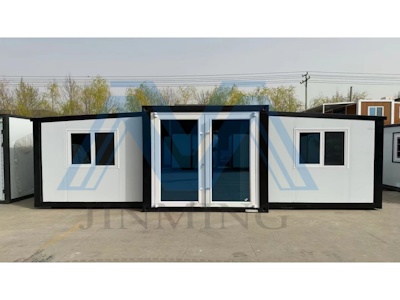
В современном мире строительства и архитектуры тяжелые контейнерные дома становятся все более популярным выбором для тех, кто ищет устойчивые, экономичные и инновационные жилые решения. Но многие задаются вопросом: действительно ли эти конструкции, сделанные из переработанных морских контейнеров, могут быть долговечными и экологичными? В этой статье мы глубоко погрузимся в тему, чтобы развеять мифы и подчеркнуть реальные преимущества тяжелых контейнерных домов. Мы рассмотрим их историю, процесс строительства, материалы, экологические аспекты, долговечность, сравнение с традиционными домами, а также будущие тенденции. К концу вы поймете, почему контейнерные дома — это не просто модный тренд, а практичное и ответственное решение для жилья.
Введение в тяжелые контейнерные дома
Тяжелые контейнерные дома — это жилые сооружения, созданные из стальных морских контейнеров, которые первоначально использовались для перевозки грузов. Эти контейнеры, обычно изготовленные из кортеновской стали, известны своей прочностью и способностью выдерживать суровые условия морских перевозок. Их адаптация для жилых целей началась в конце 20 века, но настоящий бум произошел в последние десятилетия благодаря растущему интересу к устойчивому развитию и минимализму. Контейнерные дома предлагают уникальное сочетание модульности, быстроты строительства и возможности переработки, что делает их привлекательными для эко-сознательных потребителей и застройщиков. Однако, несмотря на их растущую популярность, вопросы о долговечности и экологичности остаются центральными в дискуссиях. В этой статье мы подробно изучим эти аспекты, опираясь на факты, исследования и реальные примеры.
История и эволюция контейнерных домов
Идея использования контейнеров для жилья не нова; она уходит корнями в послевоенные годы, когда дефицит жилья и необходимость быстрого строительства привели к экспериментам с модульными конструкциями. Однако массовое внедрение началось с изобретения стандартизированных морских контейнеров Малкомом Маклином в 1950-х годах, что революционизировало логистику. К 1990-м годам архитекторы и дизайнеры, такие как Адам Калкин, начали пропагандировать контейнерные дома как художественные и функциональные пространства. Сегодня они используются не только для жилья, но и для офисов, школ и даже гостиниц, демонстрируя их универсальность. Эволюция контейнерных домов отражает общий сдвиг в строительной индустрии towards sustainability and innovation, with advancements in insulation, design, and regulatory frameworks making them more viable than ever.
Процесс строительства тяжелых контейнерных домов
Строительство контейнерного дома начинается с выбора подходящих контейнеров — обычно это 20- или 40-футовые единицы из кортеновской стали, которые подвергаются тщательной инспекции на предмет повреждений. Затем контейнеры очищаются, обрабатываются для удаления вредных веществ (например, краски или химикатов) и модифицируются: вырезаются окна и двери, добавляется структурное усиление для устойчивости. Ключевым этапом является изоляция, которая может быть внутренней или внешней, с использованием материалов like spray foam or mineral wool to ensure energy efficiency. Electrical and plumbing systems are installed, followed by interior finishes such as drywall, flooring, and fixtures. The modular nature allows for off-site fabrication, reducing construction time and waste. This process not only makes building faster (often completed in weeks rather than months) but also minimizes environmental impact compared to traditional methods, as it repurposes existing materials and reduces the need for new resources.
Материалы, используемые в контейнерных домах
Основным материалом для тяжелых контейнерных домов является сталь, specifically Corten steel, which is known for its weather resistance and durability due to a protective rust layer that forms over time. This steel is incredibly strong, with a tensile strength that can withstand heavy loads and extreme conditions, contributing to the longevity of the structure. Additionally, insulation materials play a critical role; common choices include expanded polystyrene (EPS), polyurethane foam, or natural options like sheep's wool, which enhance thermal performance and reduce energy consumption. For interiors, sustainable materials such as bamboo flooring, recycled wood, and low-VOC paints are often used to maintain eco-friendliness. The use of these materials not only ensures that the house is robust and long-lasting but also aligns with green building standards, minimizing the carbon footprint and promoting a healthier indoor environment.
Экологичность контейнерных домов: миф или реальность?
Экологичность контейнерных домов — это сложный вопрос, который требует всестороннего анализа. С одной стороны, переработка контейнеров reduces the demand for new steel production, which is energy-intensive and contributes significantly to CO2 emissions. By repurposing these containers, we divert waste from landfills and conserve natural resources. Moreover, the modular construction process generates less waste on-site compared to traditional building methods. However, challenges exist: the initial carbon footprint of manufacturing and transporting containers, the potential use of harmful chemicals in treatments, and the energy required for modifications. To maximize eco-friendliness, it's essential to use sustainable insulation, renewable energy sources like solar panels, and water-saving systems. Studies show that well-designed container homes can have a lower environmental impact over their lifecycle, especially when coupled with energy-efficient features. Thus, while not perfect, container homes can be highly ecological if implemented with care and innovation.
Долговечность контейнерных домов: как долго они служат?
Долговечность тяжелых контейнерных домов largely depends on the quality of construction, maintenance, and environmental factors. The steel structure itself is inherently durable, with a lifespan that can exceed 50 years or more if properly maintained. Corten steel's self-healing rust layer protects against corrosion, but in humid or coastal areas, additional coatings may be needed to prevent degradation. Structural integrity is enhanced through reinforcements during modification, ensuring stability against winds, earthquakes, and other stresses. Regular maintenance, such as inspecting for rust, reapplying protective coatings, and updating insulation, can extend the life significantly. Compared to traditional wood-frame houses, which may last 30-50 years, container homes offer comparable or superior durability due to their robust materials. Real-world examples, like container homes in harsh climates, demonstrate their resilience, making them a reliable long-term housing solution.
Преимущества тяжелых контейнерных домов
Тяжелые контейнерные дома offer numerous advantages that contribute to their growing appeal. Firstly, they are cost-effective; the initial investment is often lower than traditional construction due to the use of recycled materials and faster build times. Secondly, their modularity allows for easy expansion or reconfiguration, making them ideal for changing family needs or remote locations. Thirdly, they promote sustainability by reducing waste and encouraging resource conservation. Additionally, these homes are highly customizable in terms of design, enabling unique architectural expressions. From a practical standpoint, they provide excellent security due to their sturdy steel construction and can be quickly assembled, which is beneficial in disaster relief scenarios. Overall, the benefits make container homes a smart choice for those seeking affordability, flexibility, and environmental responsibility.
Недостатки и вызовы
Despite their advantages, тяжелые контейнерные дома come with certain drawbacks. One major challenge is insulation; steel conducts heat easily, so poor insulation can lead to energy inefficiency and discomfort in extreme temperatures. This requires careful planning and investment in high-quality materials. Another issue is potential chemical contamination from previous uses, such as pesticides or paints, which must be thoroughly addressed during preparation. Regulatory hurdles can also arise, as building codes may not fully accommodate container homes, leading to delays or additional costs. Additionally, the narrow width of containers can limit interior space, requiring creative design solutions. Finally, the aesthetic may not appeal to everyone, as the industrial look might feel cold or unconventional. However, with proper design and execution, these challenges can be mitigated, making container homes a viable option for many.
Сравнение с традиционными домами
When comparing тяжелые контейнерные дома to traditional brick or wood-frame houses, several key differences emerge. In terms of cost, container homes are generally cheaper to build initially, but long-term maintenance costs may vary. Environmentally, container homes have a lower embodied energy if recycled containers are used, whereas traditional homes often rely on new materials with higher carbon footprints. Durability-wise, steel containers outperform wood in resistance to pests, fire, and weather, but they require more anti-corrosion measures. Comfort and energy efficiency can be comparable if both are well-insulated, but container homes might need extra effort to achieve thermal comfort. Aesthetically, traditional homes offer more classic appeal, while container homes provide a modern, minimalist vibe. Ultimately, the choice depends on personal preferences, budget, and environmental goals, with container homes shining in scenarios prioritizing speed, sustainability, and innovation.
Будущее контейнерных домов и тенденции
The future of тяжелые контейнерные дома looks promising, driven by advancements in technology and growing environmental awareness. Trends include the integration of smart home features, such as automated systems for energy management, which enhance efficiency and convenience. There is also a push towards using more eco-friendly materials in modifications, like biodegradable insulations and solar-integrated designs. In urban areas, container homes are being used for affordable housing projects, addressing homelessness and population growth. Additionally, 3D printing and prefabrication techniques are making construction even faster and more precise. As regulations evolve to better support alternative building methods, we can expect container homes to become more mainstream. They represent a shift towards circular economy principles, where waste is minimized, and resources are reused, positioning them as a key player in the future of sustainable architecture.
Заключение
В заключение, тяжелые контейнерные дома действительно могут быть долговечными и экологичными, при условии правильного проектирования, строительства и обслуживания. Их стальная конструкция обеспечивает exceptional durability, often outlasting traditional homes, while their use of recycled materials significantly reduces environmental impact. Challenges like insulation and regulatory issues are manageable with modern techniques and careful planning. As the world moves towards more sustainable living solutions, container homes offer a practical, innovative, and responsible alternative. Whether you're an eco-conscious individual or simply looking for a cost-effective housing option, considering a container home could be a step towards a greener future. Embrace the potential of these structures — они не только выдерживают испытание временем, но и помогают сохранить нашу планету.
Эта статья предоставила comprehensive overview, но remember to consult professionals for specific projects. Спасибо за чтение!
Предыдущая страница: Что такое горные контейнерные дома: их преимущества
Следующая страница: Жизнь в контейнере у моря мечты станут реальностью
Возвращение