
Что такое горные контейнерные дома: их преимущества
2025-12-02
В современном мире, где урбанизация и экологические проблемы становятся все более актуальными, поиск альтернативных и устойчивых решений для жилья набирает обороты. Одним из таких инновационных подходов являются горные контейнерные дома – сооружения, созданные из переработанных морских контейнеров и адаптированные для использования в горной местности. Эти дома не только предлагают уникальные архитектурные возможности, но и обладают рядом существенных преимуществ, делающих их привлекательными для различных категорий людей: от искателей уединения до эко-энтузиастов и инвесторов в недвижимость.
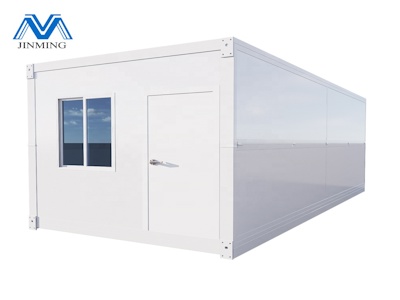
Горные контейнерные дома представляют собой модульные конструкции, изготовленные из стальных контейнеров, которые изначально использовались для перевозки грузов по морю. Благодаря своей прочности, долговечности и стандартизированным размерам, эти контейнеры идеально подходят для преобразования в жилые пространства. В горных условиях, где традиционное строительство часто сталкивается с трудностями из-за сложного рельефа, сурового климата и ограниченного доступа, контейнерные дома emerge as a practical and efficient solution.
История использования контейнеров в строительстве восходит к середине XX века, когда они впервые стали применяться для временного жилья и коммерческих целей. Однако только в последние десятилетия, с ростом интереса к устойчивому развитию и минималистскому образу жизни, контейнерная архитектура gained widespread recognition. В горных регионах, таких как Альпы, Гималаи или Скалистые горы, эти дома находят свое применение, предлагая комфорт и надежность в экстремальных условиях.
Основные преимущества горных контейнерных домов включают экономичность, экологичность, прочность, быструю сборку и адаптивность. Например, стоимость строительства такого дома может быть на 20-30% ниже, чем у традиционного здания, благодаря использованию готовых модулей. Кроме того, переработка контейнеров сокращает отходы и снижает углеродный след, что aligns with modern environmental standards. Их стальная конструкция обеспечивает устойчивость к землетрясениям, сильным ветрам и heavy snowfall, common in mountain areas.
В этой статье мы delve deep into the world of mountain container homes, exploring their definition, benefits, and practical aspects. We will discuss how these homes are designed and built, their environmental impact, cost-effectiveness, and the challenges they might face. Through detailed analysis and examples, we aim to provide a comprehensive overview that will help readers understand why container homes are becoming a popular choice for mountain living.
Но прежде чем мы погрузимся в детали, давайте четко определим, что такое горные контейнерные дома. По сути, это жилые или коммерческие здания, constructed from one or more shipping containers, modified to include insulation, windows, doors, and interior finishes. Они могут быть standalone structures или part of a larger complex, and are often designed to blend with the natural landscape. В горной местности, их размещение requires careful planning to account for slope stability, access to utilities, and aesthetic integration.
Одним из ключевых аспектов, который делает эти дома столь appealing, является их модульность. Контейнеры стандартизированы по размерам (например, 20-футовые или 40-футовые), что позволяет легко комбинировать их для создания custom layouts. Это означает, что homeowners can start with a small unit and expand as needed, adding containers for additional rooms or features. Такая гибкость особенно valuable in remote mountain areas, where transportation of materials can be challenging.
Теперь, обратимся к преимуществам. Первое и, пожалуй, самое значительное – экономичность. Строительство традиционного дома в горах often involves high costs due to difficult terrain, need for specialized equipment, and limited labor. Контейнерные дома, being prefabricated, can be manufactured off-site and transported to the location, reducing on-site construction time and expenses. По оценкам экспертов, общая стоимость может быть снижена на up to 40% compared to conventional methods. Кроме того, контейнеры themselves are relatively inexpensive, especially if purchased used, which further drives down costs.
Экологичность – another major advantage. Использование переработанных контейнеров helps reduce the demand for new building materials, such as wood and concrete, which have high environmental impacts. Например, производство стали для нового контейнера requires significant energy, but reusing an existing one saves resources and reduces greenhouse gas emissions. Более того, контейнерные дома can be equipped with sustainable features like solar panels, rainwater harvesting systems, and energy-efficient insulation, making them nearly self-sufficient. В горных районах, где access to grid utilities might be limited, this is a huge plus.
Прочность и долговечность – качества, которые делают контейнерные дома ideal for mountain environments. Морские контейнеры designed to withstand harsh conditions at sea, including saltwater corrosion and heavy loads. Когда они преобразованы в дома, их стальная структура provides excellent resistance to natural disasters. В горах, где earthquakes, avalanches, and storms are common, this robustness can be lifesaving. Инженерные модификации, такие как additional bracing and foundation systems, further enhance their stability.
Быстрая сборка – еще один плюс. Поскольку контейнеры prefabricated, the on-site construction phase is significantly shorter than for traditional buildings. Это означает, что homeowners can move in sooner, reducing temporary housing costs and minimizing disruption to the environment. В отдаленных горных локациях, где строительный сезон may be short due to weather, this speed is crucial.
Адаптивность allows for creative designs that cater to specific needs. Контейнерные дома can be stacked, arranged in various configurations, and customized with modern amenities. Например, large windows can be added to take advantage of mountain views, while interior layouts can be optimized for space efficiency. Это делает их suitable for a range of用途, from vacation homes to permanent residences or even eco-lodges.
Однако, не все так rosy. Есть и challenges, such as the need for proper insulation to combat cold mountain temperatures, potential issues with condensation, and the aesthetic appeal, which some might find industrial. Но с advances in technology and design, these drawbacks are increasingly being addressed. Например, high-quality spray foam insulation can effectively regulate temperature, while creative cladding and landscaping can make the homes blend beautifully with nature.
В заключение, горные контейнерные дома represent a forward-thinking approach to housing that combines sustainability, affordability, and resilience. Их преимущества make them a compelling option for those looking to build in challenging environments. As we move towards a more eco-conscious future, it is likely that we will see more innovations in this field, further enhancing their appeal.
Для тех, кто рассматривает такой проект, важно работать с experienced architects and builders who understand the unique requirements of mountain construction. Проведение тщательного site analysis, obtaining necessary permits, and investing in quality materials are essential steps to ensure success.
В конечном счете, горные контейнерные дома – это не just a trend, but a practical solution that addresses multiple contemporary issues. Они демонстрируют, как инновации в строительстве can lead to more sustainable and adaptable living spaces, even in the most demanding settings.
Мы надеемся, что эта статья provided valuable insights and inspired you to explore the possibilities of container homes. С правильным планированием и исполнением, ваш горный дом может стать haven of comfort and sustainability.
Спасибо за чтение, и удачи в ваших строительных endeavors!
Предыдущая страница: ЛЕГКИЙ КОНТЕЙНЕРНЫЙ ДОМ ИДЕАЛЬНОЕ ЖИЛЬЕ БЮДЖЕТНО КОМФОРТНО
Следующая страница: тяжелые контейнерные дома действительно ли они долговечны и экологичны
Возвращение