

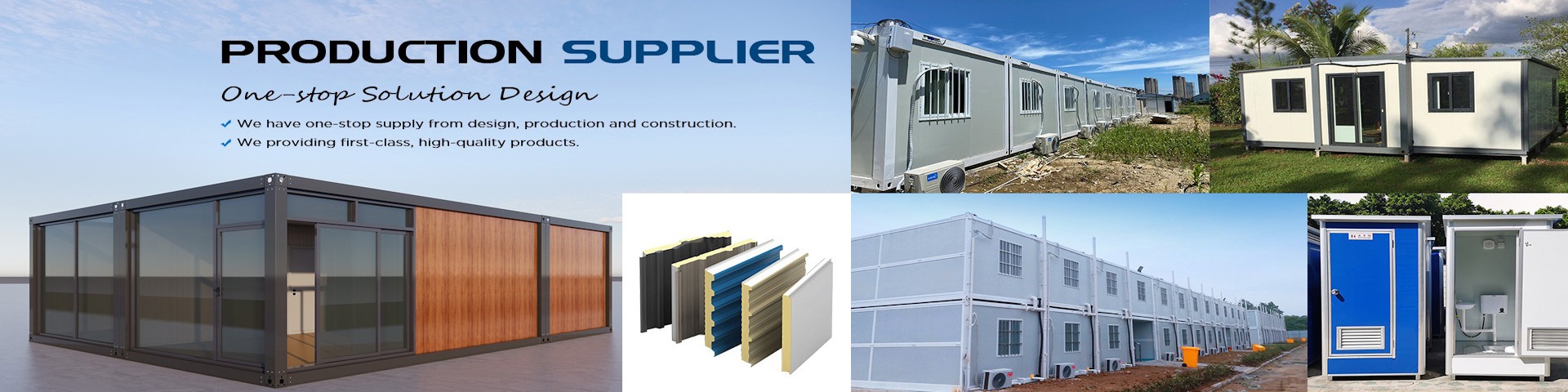
Контейнерные дома для села: инновационное и доступное жилье
2025-12-02
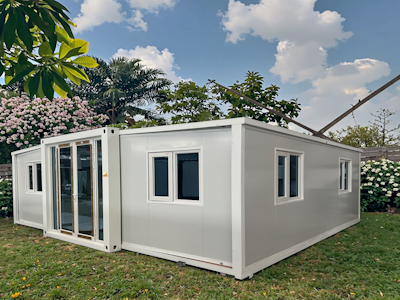
В современном мире, где цены на недвижимость постоянно растут, а традиционное строительство становится все более дорогим и времязатратным, многие ищут альтернативные решения. Одним из таких инновационных подходов являются контейнерные дома. Особенно актуально это для сельской местности, где потребность в доступном и качественном жилье высока. В этой статье мы подробно рассмотрим, почему контейнерные дома могут стать идеальным выбором для села, их преимущества, технологии строительства, стоимость и многое другое. Если вы мечтаете о собственном доме в деревне без огромных затрат, читайте дальше – это руководство для вас!
Что такое контейнерные дома?
Контейнерные дома – это жилые сооружения, созданные из морских контейнеров, которые обычно используются для перевозки грузов. Эти контейнеры изготавливаются из прочной стали, что делает их долговечными и устойчивыми к различным погодным условиям. Благодаря модульной конструкции, их можно легко комбинировать, создавая дома разной площади и планировки. Изначально эта идея возникла как способ утилизации старых контейнеров, но сегодня она превратилась в полноценное направление в строительстве, предлагающее экологичные и бюджетные решения.
История контейнерных домов началась в середине XX века с ростом международной торговли, когда появилось множество неиспользуемых контейнеров. В 1980-х годах архитекторы и дизайнеры начали экспериментировать с их преобразованием в жилые пространства. Сегодня это глобальный тренд: от временного жилья для беженцев до роскошных вилл. Для сельской местности контейнерные дома особенно выгодны из-за простоты транспортировки и монтажа, что позволяет строить даже в отдаленных районах без развитой инфраструктуры.
Преимущества контейнерных домов для сельской местности
Контейнерные дома обладают множеством преимуществ, которые делают их привлекательными для сельских жителей. Вот ключевые из них:
- Доступность и низкая стоимость: По сравнению с традиционными домами, контейнерные варианты могут быть на 30-50% дешевле. Стоимость базового контейнера начинается от 50 000 рублей, а готовый дом под ключ – от 500 000 рублей, в зависимости от размера и отделки. Это позволяет многим семьям реализовать мечту о собственном жилье без ипотечных долгов.
- Быстрота строительства: В то время как строительство кирпичного дома может занять год и более, контейнерный дом можно возвести за несколько недель. Это связано с тем, что основные элементы производятся на заводе, а на месте происходит только сборка. Для сельской местности, где строительные бригады may be scarce, this is a huge advantage.
- Прочность и долговечность: Морские контейнеры designed to withstand harsh conditions at sea, so they are resistant to wind, rain, and even earthquakes. With proper maintenance, such a house can serve for 50 years or more.
- Экологичность: Использование二手 контейнеров reduces waste and the need for new materials. Additionally, they can be equipped with solar panels, rainwater collection systems, and other green technologies, making them ideal for sustainable living in the countryside.
- Гибкость и модульность: Контейнеры можно easily combined to create houses of any size – from a small studio to a multi-story family home. This allows for customization based on needs and budget.
- Легкость транспортировки: Контейнеры are designed for transport, so they can be delivered to even the most remote villages using standard trucks or trains, minimizing logistical issues.
These advantages make container homes not just a temporary solution, but a long-term investment for rural development. In regions where population decline is a problem, such affordable housing can attract young families and stimulate local economies.
Технологии строительства контейнерных домов
Строительство контейнерного дома involves several stages, each requiring attention to detail to ensure comfort and safety. Here’s a step-by-step overview:
- Выбор и подготовка контейнеров: Typically, used 20-foot or 40-foot containers are selected. They are inspected for damage, cleaned, and treated for rust. Sometimes new containers are used for better quality.
- Проектирование: An architect designs the layout, considering insulation, windows, doors, and utilities. Software like CAD is often used to visualize the final product.
- Модификация: Cut openings for windows and doors, reinforce the structure if necessary, and weld multiple containers together for larger spaces.
- Утепление и отделка: Insulation is critical for comfort. Materials like mineral wool or spray foam are applied to walls, ceiling, and floor. Then, interior finishes such as drywall, wood, or tiles are installed.
- Установка инженерных систем: Electrical wiring, plumbing, heating, and ventilation are integrated. In rural areas, off-grid options like septic tanks and solar power are common.
- Монтаж на месте: The modified containers are transported to the site and placed on a foundation (e.g., concrete slabs or piles). Final connections and landscaping are done.
Modern technologies allow for high customization. For example, smart home systems can be incorporated, and exterior cladding can make the house look like a traditional home, blending seamlessly into the rural landscape.
Стоимость и экономическая эффективность
One of the biggest draws of container homes is their cost-effectiveness. Let’s break down the expenses:
- Контейнер: A used 20-foot container costs about 50,000-100,000 rubles, while a 40-foot one is 100,000-200,000 rubles. New containers are more expensive but offer better condition.
- Модификация и отделка: This can range from 200,000 to 500,000 rubles per container, depending on the level of luxury. Basic insulation and finishes are cheaper, while high-end materials increase the cost.
- Фундамент и монтаж: Foundation costs vary based on soil conditions but average 50,000-150,000 rubles. Transportation and assembly add another 50,000-100,000 rubles.
- Инженерные системы: Plumbing, electricity, etc., can cost 100,000-300,000 rubles. Off-grid systems might be more upfront but save money long-term.
Overall, a small container home (e.g., one 40-foot container) can be built for around 500,000 rubles, while a larger family home might cost 1-2 million rubles. In comparison, a traditional brick house in a village often starts at 2-3 million rubles, making container homes a smart financial choice. Additionally, their durability means lower maintenance costs over time.
For rural areas, where incomes may be lower, this affordability can be transformative. Government programs or subsidies for alternative housing could further reduce costs, though currently, such support is limited in many regions.
Экологические аспекты
Container homes are not just affordable; they are also environmentally friendly. Here’s why:
- Переработка материалов: By reusing shipping containers, we reduce the demand for new steel production, which is energy-intensive and polluting. This aligns with circular economy principles.
- Энергоэффективность: With proper insulation, these homes can be highly energy-efficient, reducing heating and cooling costs. In rural settings, this is crucial due to potentially harsher climates.
- Возобновляемые источники энергии: Many container homes are designed to incorporate solar panels, wind turbines, or geothermal systems, making them self-sufficient and reducing reliance on fossil fuels.
- Минимальное воздействие на окружающую среду: The construction process generates less waste compared to traditional building methods. Also, since containers are modular, they can be disassembled and relocated, minimizing land disturbance.
In villages, where nature is often pristine, choosing an eco-friendly home helps preserve the environment for future generations. It’s a step towards sustainable living that benefits both the homeowner and the community.
Реальные примеры и case studies
To illustrate the potential of container homes, let’s look at some real-world examples from rural areas:
- Пример 1: Семья в Сибири: A family in a remote Siberian village built a container home for 700,000 rubles. They used two 40-foot containers, insulated with foam, and added a wood stove for heating. The house withstands temperatures down to -40°C and has reduced their energy bills by 40% compared to their previous traditional home.
- Пример 2: Сельская школа в Татарстане: A community project converted containers into classrooms for a village school. The cost was 1.5 million rubles for three containers, providing modern facilities quickly and cheaply. This improved education access without waiting years for construction.
- Пример 3: Фермерское хозяйство в Краснодарском крае: A farmer built a container home as temporary housing for workers during harvest season. It cost only 300,000 rubles and can be moved as needed, demonstrating flexibility for agricultural needs.
These cases show that container homes are versatile and practical. They can serve as permanent residences, community buildings, or even tourist accommodations in rural areas, boosting local development.
Вызовы и как их преодолеть
Despite the benefits, there are challenges to consider:
- Восприятие и стигма: Some people view container homes as inferior or temporary. Education and showcasing well-designed examples can change this perception. In villages, where traditions are strong, it might take time to gain acceptance.
- Регуляторные hurdles: Building codes may not always accommodate container homes. It’s essential to work with local authorities to ensure compliance. In Russia, regulations are evolving, but permits can be obtained with proper documentation.
- Изоляция и комфорт: Without adequate insulation, containers can be hot in summer and cold in winter. Investing in quality insulation and ventilation systems solves this issue.
- Коррозия: Steel containers can rust over time. Regular maintenance, such as painting and rust treatment, is necessary, especially in humid rural environments.
By addressing these challenges proactively, container homes can become a mainstream option. Partnering with experienced builders and using high-quality materials ensures success.
Будущее контейнерных домов в сельской местности
The future looks bright for container homes in rural areas. Trends indicate growing interest due to urbanization pressures and climate change. Here’s what to expect:
- Технологические инновации: Advances in materials, such as better insulation and smart home integration, will make these homes even more comfortable and efficient.
- Правительственная поддержка: As affordable housing becomes a priority, governments may introduce incentives for alternative construction methods, including container homes.
- Сообщества и кооперативы: Rural communities might adopt container homes for collective projects, like housing for young families or elderly residents, fostering social cohesion.
- Глобальное влияние: With climate change, resilient and mobile housing will be crucial. Container homes can be part of disaster relief efforts in rural areas affected by extreme weather.
In summary, container homes represent a innovative solution that combines affordability, sustainability, and adaptability. For villages facing depopulation or economic challenges, they offer a way to revitalize communities and provide dignified living conditions.
Заключение
Контейнерные дома – это не просто временная мода, а серьезная альтернатива традиционному строительству, особенно для сельской местности. Их доступность, скорость возведения, прочность и экологичность делают их идеальным выбором для тех, кто хочет жить в деревне без огромных затрат. Whether you’re a young family looking to put down roots, a retiree seeking a quiet retreat, or a community leader aiming to improve local infrastructure, container homes can meet your needs.
We encourage you to explore this option further. Consult with professionals, visit existing projects, and consider how a container home could transform your life. With the right approach, you can create a comfortable, modern home that respects both your budget and the environment. Embrace innovation and make your rural dream a reality!
For more information or to start your project, contact local builders specializing in container homes. The future of rural housing is here – and it’s in a container!
Предыдущая страница: Высокопрочные контейнерные дома для любого климата и условий
Следующая страница: ЛЕГКИЙ КОНТЕЙНЕРНЫЙ ДОМ ИДЕАЛЬНОЕ ЖИЛЬЕ БЮДЖЕТНО КОМФОРТНО
Возвращение