
Высокопрочные контейнерные дома для любого климата и условий
2025-12-02
В современном мире, где устойчивость и адаптивность становятся ключевыми факторами в строительстве, высокопрочные контейнерные дома emerge as a revolutionary solution. Эти конструкции, изготовленные из переработанных морских контейнеров, предлагают непревзойденную прочность, энергоэффективность и возможность customization под любые environmental challenges. В этой статье мы глубоко погрузимся в мир контейнерных домов, exploring их benefits, applications, и why они ideal для harsh climates от арктических cold до tropical heat.
Что такое контейнерные дома?
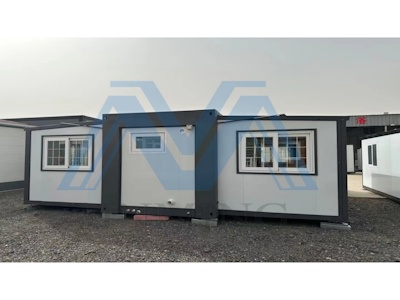
Контейнерные дома – это жилые или коммерческие здания, constructed из steel shipping containers. Эти containers, originally designed для транспортировки goods across oceans, обладают inherent strength и durability due to их construction из corten steel, который resistant to corrosion и extreme weather. Стандартные размеры, такие как 20-foot или 40-foot containers, позволяют modular construction, enabling easy expansion и customization.
История контейнерных домов началась в late 20th century, когда architects и builders started repurposing disused containers для affordable housing. Сегодня, они evolved into sophisticated structures, incorporating modern amenities и sustainable technologies. Преимущества включают cost-effectiveness, так как containers часто available at low cost, и environmental benefits from recycling materials.
Преимущества высокопрочных контейнерных домов
High-strength container homes offer numerous advantages over traditional construction methods. Их steel framework provides exceptional resistance to natural disasters such as earthquakes, hurricanes, and heavy snow loads. For instance, in seismic zones, containers can be anchored securely to foundations, reducing risk of collapse.
Энергоэффективность – another key benefit. With proper insulation, these homes maintain comfortable temperatures in both cold and hot climates. Technologies like spray foam insulation or double-glazed windows enhance thermal performance, leading to lower energy bills. Additionally, containers are inherently moisture-resistant, preventing mold and decay common in wooden structures.
Мобильность и flexibility make container homes ideal for remote or temporary locations. They can be transported easily and assembled quickly, reducing construction time by up to 50% compared to conventional buildings. This is particularly useful for disaster relief housing or seasonal residences.
Экологичность is a major selling point. By reusing containers, we reduce waste and carbon footprint associated with new construction materials. Many projects incorporate solar panels, rainwater harvesting, and green roofs to further minimize environmental impact.
Адаптация к различным климатическим условиям
Контейнерные дома excel in adapting to diverse climates due to their robust design and modifiability. In cold regions like Siberia or Scandinavia, additional insulation and heating systems are integrated to prevent heat loss. For example, using thick insulation layers and energy-efficient windows can keep interiors warm even at -40°C.
In hot and humid climates, such as Southeast Asia, ventilation and cooling strategies are crucial. Designs often include large windows for cross-ventilation, reflective coatings to reduce heat absorption, and air conditioning units. Some homes use passive cooling techniques like shading and thermal mass to maintain comfort without high energy consumption.
For arid environments like deserts, container homes can be equipped with dust-proof seals and cooling systems that use evaporative cooling. In coastal areas, corrosion-resistant treatments protect against saltwater damage, ensuring longevity.
Real-world examples abound. In Alaska, container homes withstand heavy snow and freezing temperatures, while in Australia, they are popular for their ability to handle bushfires and extreme heat. Case studies show that with proper design, these homes can achieve net-zero energy status, producing as much energy as they consume.
Технологии и инновации в строительстве
Modern container homes leverage advanced technologies to enhance durability and comfort. Structural modifications, such as cutting openings for doors and windows, are done with precision using laser cutting or plasma cutters to maintain integrity. Reinforcements like additional steel beams are added for multi-story constructions.
Insulation materials have evolved; options include closed-cell spray foam, which provides excellent thermal and moisture barrier, or rock wool for fire resistance. Smart home integration allows for automated climate control, security systems, and energy management, making these homes not only strong but also intelligent.
Sustainable innovations are at the forefront. Solar panels can be mounted on roofs, and greywater systems recycle water for irrigation. Some designs incorporate living walls or green roofs to improve air quality and insulation. Prefabrication techniques enable off-site construction, reducing waste and on-site disruption.
Cost considerations: While initial costs might be similar to traditional homes, long-term savings on energy and maintenance make container homes economical. The average price ranges from $1,500 to $2,500 per square meter, depending on customization and location.
Практические примеры и успешные проекты
Globally, container homes have been implemented in various settings. In the Netherlands, the Keetwonen project in Amsterdam provides student housing using stacked containers, demonstrating scalability and affordability. In the United States, companies like Container Homes USA offer customized designs for residential and commercial use.
In Russia, container homes are gaining traction in remote areas like the Far East, where traditional construction is challenging. Projects in Siberia use enhanced insulation and heating to combat extreme cold, with success stories reported by residents who enjoy reduced heating costs and improved comfort.
Testimonials highlight the speed of construction; one family in Canada built their home in just three months, compared to a year for a conventional house. Challenges such as permitting and zoning laws exist but are increasingly addressed as municipalities recognize the benefits.
Future trends include the use of augmented reality for design visualization and 3D printing for custom components, pushing the boundaries of what's possible with container architecture.
Заключение
Высокопрочные контейнерные дома represent a paradigm shift in construction, offering resilience, sustainability, and adaptability to any climate. Whether you're facing Arctic frosts or tropical storms, these homes provide a reliable and innovative solution. As technology advances and awareness grows, we can expect to see more of these structures shaping the future of housing. Embrace the change and consider a container home for your next project – it's not just a trend, but a testament to human ingenuity in the face of environmental challenges.
Ключевые выводы: Контейнерные дома durable, eco-friendly, и highly customizable. Они ideal для extreme climates и offer cost savings over time. Start exploring options today to build a home that stands the test of time and nature.
Предыдущая страница: Превратите контейнер в уютный дом за городом мечты
Следующая страница: Контейнерные дома для села: инновационное и доступное жилье
Возвращение