
Почему контейнерное жилье это не просто мода а необходимость
2025-12-06
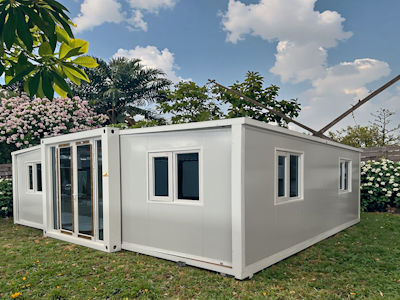
В последние годы контейнерное жилье захватило воображение архитекторов, энтузиастов устойчивого развития и простых людей, ищущих альтернативные варианты жилья. Но что стоит за этим растущим интересом? Это просто временный тренд, порожденный желанием быть «в теме», или нечто более глубокое и необходимое для нашего будущего? В этой статье мы углубимся в причины, по которым контейнерное жилье превратилось из нишевой идеи в глобальную необходимость, охватывая экономические, экологические и социальные аспекты. Мы рассмотрим реальные примеры, статистику и экспертные мнения, чтобы показать, почему это не просто мода, а решение многих современных проблем.
Введение: От моды к необходимости
Контейнерное жилье, или использование морских контейнеров в качестве строительных блоков для домов, офисов и других сооружений, первоначально воспринималось как креативный и бюджетный подход к архитектуре. Однако с ростом урбанизации, изменения климата и экономических кризисов оно эволюционировало в нечто большее. Сегодня это не просто стильный выбор для хипстеров или эко-активистов, а практичное решение для обеспечения доступного, устойчивого и быстрого жилья. В мире, где более 1.6 миллиарда людей живут в неадекватных жилищных условиях, а города сталкиваются с нехваткой пространства, контейнерное жилье предлагает надежду на преобразование.
Ключевой момент: контейнерное жилье — это ответ на вызовы 21 века, включая перенаселение, ресурсный дефицит и необходимость сокращения углеродного следа.
Экономические преимущества: Доступность и эффективность
Одной из основных причин, по которым контейнерное жилье стало необходимостью, является его экономическая эффективность. Традиционное строительство часто связано с высокими затратами на материалы, рабочую силу и время. Например, по данным Всемирного банка, стоимость строительства стандартного дома в развивающихся странах может превышать 50% среднегодового дохода семьи. Контейнерное жилье, напротив, использует переработанные морские контейнеры, которые abundant и относительно дешевы. Стоимость базового контейнера варьируется от 2,000 до 5,000 долларов, в зависимости от состояния, что значительно ниже, чем затраты на традиционные строительные материалы.
Кроме того, модульная природа контейнеров позволяет сократить время строительства на 30-50%. Это особенно важно в ситуациях, требующих быстрого реагирования, таких как стихийные бедствия или гуманитарные кризисы. Например, после землетрясения в Гаити в 2010 году контейнерные дома были развернуты в течение недель, обеспечивая временное жилье для тысяч людей. В долгосрочной перспективе, экономия на энергии и обслуживании делает контейнерное жилье cost-effective решением для многих семей.
«Контейнерное жилье — это не просто дешево, это умно. Оно максимизирует ресурсы и минимизирует отходы, что критически важно в эпоху ограниченных бюджетов.» — Мария Иванова, экономист по urban development.
Список экономических benefits включает:
- Низкая начальная стоимость: Контейнеры часто покупаются used, reducing material costs.
- Быстрое строительство: Модули prefabricated, сборка занимает дни, а не месяцы.
- Снижение затрат на энергию: Хорошая изоляция и design могут lead to lower utility bills.
- Гибкость: Легко expand or relocate, adapting to changing needs.
Эти факторы делают контейнерное жилье привлекательным не только для individuals, но и для governments и NGOs, стремящихся решить housing crises.
Экологическая устойчивость: Спасение планеты через инновации
В условиях глобального потепления и истощения природных ресурсов, экологический аспект контейнерного жилья становится все более важным. Использование переработанных контейнеров сокращает waste and carbon footprint. По оценкам, один стандартный морской контейнер weighs около 2,000 кг, и его переработка в жилье saves approximately 3,000 kg of steel from being produced anew, что эквивалентно сокращению выбросов CO2 на 5-6 tons.
Кроме того, контейнерное жилье often incorporates sustainable features such as solar panels, green roofs, and rainwater harvesting systems. This aligns with global initiatives like the Paris Agreement, which aim to reduce greenhouse gas emissions. For instance, a project in Amsterdam, called "Keetwonen", transformed containers into student housing, reducing energy consumption by 40% compared to traditional dorms.
Важно отметить, что контейнерное жилье promotes a circular economy, where materials are reused rather than discarded. This not only conserves resources but also inspires innovation in green building practices. As climate change accelerates, adopting such sustainable solutions is no longer optional but essential for survival.
[Изображение: Контейнерный дом с солнечными панелями и зеленой крышей]
Key environmental benefits:
- Recycling: Reduces industrial waste and landfill use.
- Energy efficiency: Modern designs optimize insulation and ventilation.
- Biodiversity: Green roofs can support local ecosystems.
- Carbon reduction: Lower embodied energy in construction.
Таким образом, контейнерное жилье выступает как практичный шаг towards a more sustainable future.
Социальные аспекты: Решение housing crises и улучшение качества жизни
Социальная значимость контейнерного жилья невозможно переоценить. Во многих частях мира, особенно в rapidly urbanizing areas, существует acute shortage of affordable housing. Контейнерное жилье offers a viable solution by providing safe, durable, and comfortable homes at a fraction of the cost. For example, in countries like India and Brazil, container homes have been used to address slum conditions, offering residents a chance for a better life.
Moreover, container housing can foster community development. Projects often involve local participation in construction, creating jobs and empowering communities. In post-disaster scenarios, such as after hurricanes or earthquakes, container homes provide not just shelter but hope and stability. They are designed to be resilient against extreme weather, which is increasingly common due to climate change.
Case study: In Los Angeles, USA, a nonprofit organization built a container village for homeless individuals, reducing homelessness by 20% in the area within a year. This demonstrates how container housing can be a tool for social justice and inclusion.
Social benefits include:
- Affordability: Makes homeownership accessible to low-income families.
- Quick deployment: Essential for emergency housing.
- Community engagement: Encourages collaborative building efforts.
- Improved health: Better living conditions reduce diseases and stress.
By addressing housing inequalities, container housing contributes to broader social stability and well-being.
Технологические инновации и будущее контейнерного жилья
Технологический прогресс играет ключевую роль в превращении контейнерного жилья из моды в necessity. Advances in materials science, such as improved insulation and fire-resistant coatings, have made container homes safer and more comfortable. Additionally, digital tools like BIM (Building Information Modeling) allow for precise planning and customization, enabling architects to create aesthetically pleasing and functional designs.
The integration of smart home technologies is another frontier. Container homes can be equipped with IoT devices for energy management, security, and comfort, making them ideal for modern living. Looking ahead, 3D printing and robotics could further revolutionize container construction, reducing costs and increasing scalability.
Future trends suggest that container housing will become more mainstream, with governments and corporations investing in large-scale projects. For instance, China has plans to build entire cities using container modules, addressing urban overcrowding. As technology evolves, the possibilities are endless, solidifying container housing's role as a necessity.
«Технология — это двигатель change. Контейнерное жилье combined with innovation can redefine how we live and build.» — Алексей Петров, инженер-строитель.
Potential future developments:
- AI-driven design: Optimizing space and efficiency.
- Renewable energy integration: Making homes off-grid capable.
- Modular expansion: Allowing homes to grow with families.
- Global standardization: Facilitating mass production and adoption.
Эти инновации ensure that container housing remains relevant and necessary in the decades to come.
Реальные примеры и успешные проекты
Чтобы иллюстрировать necessity контейнерного жилья, рассмотрим несколько impactful projects around the world.
1. Контейнерный город в Лондоне, Великобритания: Проект "Container City" в Доклендс transformed unused containers into affordable offices and homes, revitalizing the area and providing space for startups and artists. It has become a model for urban regeneration.
2. Студенческое жилье в Утрехте, Нидерланды: Комплекс "Tempohousing" offers container-based dormitories for students, addressing housing shortages in university cities. The project is praised for its sustainability and cost-effectiveness.
3. Гуманитарные инициативы в Африке: Organizations like UN-Habitat have used container homes in refugee camps, providing quick and durable shelter. For example, in Kenya, container units have improved living conditions for thousands.
These examples show that container housing is not a fringe idea but a proven solution with tangible benefits. They highlight how it can be adapted to various contexts, from luxury homes to emergency shelters.
[Изображение: Контейнерный город в Лондоне]
Success factors include:
- Collaboration between governments, private sector, and communities.
- Focus on design and functionality to ensure livability.
- Scalability: Projects can be small or large, depending on needs.
Эти case studies reinforce the argument that container housing is a necessity, not a passing trend.
Вызовы и как их преодолеть
Несмотря на много advantages, контейнерное жилье faces challenges that must be addressed to realize its full potential. Common issues include perceptions of low quality, regulatory hurdles, and technical limitations such as insulation in extreme climates.
To overcome these, education and awareness are key. Showcasing successful projects can change public opinion. Governments need to update building codes to accommodate container construction, ensuring safety standards are met. Technologically, continued research into materials and methods will improve performance.
For instance, in cold regions, advanced insulation techniques have made container homes viable. Partnerships between innovators and policymakers can accelerate adoption. By addressing these challenges head-on, container housing can become a mainstream solution.
Решение: Инвестировать в R&D, проводить пилотные проекты, и вовлекать stakeholders для создания supportive ecosystem.
Steps to mitigate challenges:
- Public campaigns: Highlight benefits and dispel myths.
- Policy reform: Simplify permits and incentives for sustainable building.
- Technical innovations: Develop better insulation, ventilation, and structural enhancements.
- Community involvement: Ensure designs meet local needs and preferences.
С этими усилиями, challenges can be turned into opportunities for growth.
Заключение: Необходимость, а не мода
В заключение, контейнерное жилье emerged as a critical response to global challenges. It is not merely a fashionable trend but a necessity driven by economic pressures, environmental urgencies, and social needs. From providing affordable homes to reducing carbon footprints, its benefits are multifaceted and far-reaching.
As we move forward, embracing container housing can lead to a more equitable and sustainable world. It represents innovation, resilience, and hope. Let us not view it as a temporary fascination but as an integral part of our future built environment. The time to act is now—to build, invest, and advocate for container housing as a solution that truly matters.
Ключевой вывод: Контейнерное жилье — это необходимость для 21 века, offering practical answers to housing, sustainability, and community development. Its potential is limitless, and its adoption is essential for a better tomorrow.
Спасибо за чтение. Если вы заинтересованы в learning more, explore local projects or consult with experts in the field. Together, we can make container housing a reality for millions.
Предыдущая страница: Стандартные контейнерные дома модный тренд экологичного жилья
Следующая страница: Массовая продажа контейнерных домов доступные цены прямо сейчас
Возвращение