

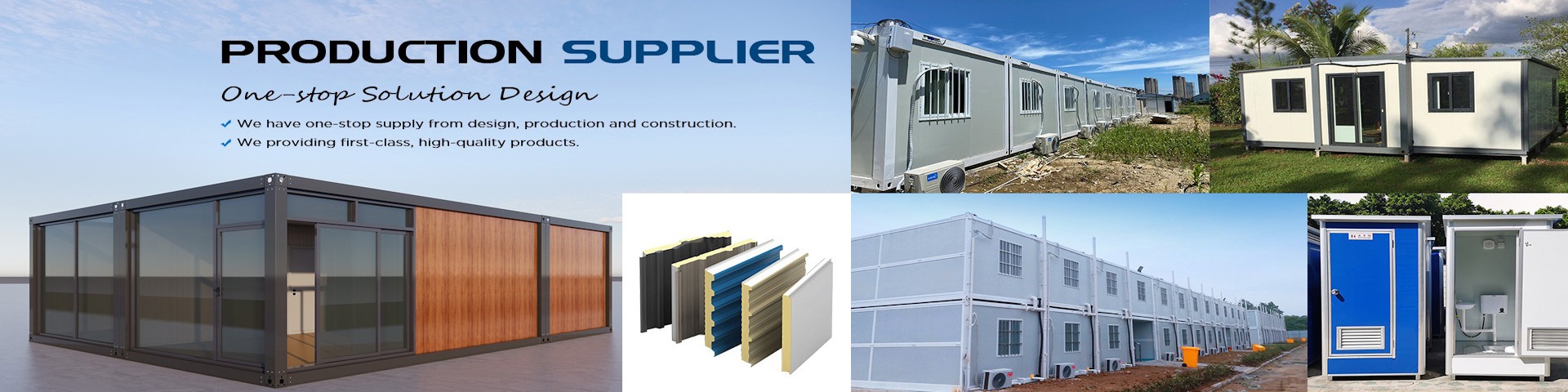
Стандартные контейнерные дома модный тренд экологичного жилья
2025-12-06
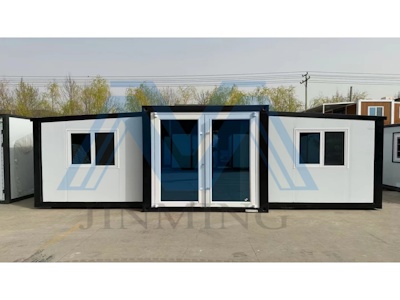
В современном мире, где экологические проблемы и урбанизация становятся все более актуальными, поиск устойчивых решений в сфере жилья приобретает критическое значение. Одним из таких инновационных подходов являются стандартные контейнерные дома, которые не только предлагают экономичную альтернативу традиционному строительству, но и воплощают принципы экологичности и мобильности. В этой статье мы подробно рассмотрим, почему контейнерные дома стали модным трендом, как они способствуют развитию экологичного жилья, и какие выгоды они приносят обществу и окружающей среде.
Введение в контейнерные дома
Контейнерные дома — это жилые или коммерческие здания, созданные из переработанных морских контейнеров, обычно стандартных размеров, таких как 20 или 40 футов. Эти контейнеры, изначально предназначенные для перевозки грузов, после своего срока службы часто остаются невостребованными, что приводит к экологическим проблемам, связанным с их утилизацией. Однако, благодаря креативному подходу, они находят вторую жизнь в качестве строительных блоков для домов. Этот метод не только reduces waste but also offers a cost-effective and sustainable solution for housing.
История контейнерных домов началась в конце 20 века, когда архитекторы и строители искали способы reuse промышленных материалов. Первые проекты были экспериментальными, но с развитием технологий и ростом осведомленности об экологических issues, они gained popularity. Сегодня контейнерные дома используются по всему миру, от временного жилья для беженцев до роскошных резиденций, демонстрируя свою универсальность.
Ключевые характеристики контейнерных домов включают модульность, прочность и портативность. Стандартные размеры контейнеров позволяют легко комбинировать их для создания различных конфигураций, что упрощает проектирование и строительство. Кроме того, стальная конструкция контейнеров обеспечивает высокую durability, resistant to extreme weather conditions, making them suitable for diverse climates.
Преимущества контейнерных домов
Одним из основных преимуществ контейнерных домов является их экономичность. По сравнению с традиционным строительством, использование переработанных контейнеров значительно reduces costs. Например, стоимость контейнера может составлять всего несколько тысяч dollars, тогда как строительство аналогичного дома с нуля может обойтись в десятки тысяч. Это делает контейнерные дома attractive option for low-income families, students, or those seeking affordable housing solutions.
Экологические benefits are another major advantage. By reusing containers, we reduce the demand for new construction materials, which in turn lowers carbon emissions and resource consumption. Containers are made from steel, which is highly recyclable, and their reuse prevents them from ending up in landfills. Additionally, контейнерные дома can be designed to be energy-efficient, with features such as insulation, solar panels, and rainwater harvesting systems, further enhancing their sustainability.
Скорость строительства is also a notable benefit. Since containers are pre-fabricated, the construction process is much faster than traditional methods. A basic container home can be assembled in a matter of weeks, compared to months for a conventional house. This is particularly beneficial in emergency situations, such as natural disasters, where quick housing solutions are needed.
Гибкость и customization are key aspects. Containers can be stacked, combined, and modified to create unique designs, from single-unit homes to multi-story buildings. This allows for creative architectural expressions and adapts to various needs, whether it's a small studio or a large family home.
Технологии и инновации в строительстве контейнерных домов
Современные технологии играют crucial role in the development of container homes. Advanced insulation materials, such as spray foam or rigid boards, are used to ensure thermal efficiency, making these homes comfortable in both hot and cold climates. Additionally, innovations in window and door systems allow for better natural light and ventilation, enhancing the living experience.
Интеграция умных home technologies is becoming increasingly common. Container homes can be equipped with automated systems for lighting, heating, and security, controlled via smartphones. This not only improves convenience but also contributes to energy savings by optimizing resource use.
Стандартизация is a key factor in the popularity of container homes. The use of standard container sizes (e.g., 20ft and 40ft) simplifies the design and manufacturing process. This standardization allows for mass production of components, reducing costs and ensuring consistency in quality. Moreover, it facilitates transportation and assembly, as containers are designed to be easily moved and stacked.
Примеры инновационных проектов include container homes with green roofs, which provide insulation and reduce urban heat island effect, or homes built with recycled materials beyond containers, such as reclaimed wood for interior finishes. These innovations not only make the homes more sustainable but also aesthetically pleasing.
Экологический impact и устойчивое развитие
Контейнерные дома contribute significantly to sustainable development by addressing several environmental challenges. First, they promote circular economy principles by reusing materials that would otherwise be wasted. This reduces the extraction of raw materials, such as timber and concrete, which are associated with high environmental costs, including deforestation and carbon emissions.
Энергоэффективность is a critical aspect. Well-designed container homes can achieve high levels of energy efficiency through proper insulation, passive solar design, and the use of renewable energy sources. For instance, installing solar panels on the roof can make the home nearly self-sufficient in terms of electricity, reducing reliance on fossil fuels.
Снижение carbon footprint is another benefit. The production of new building materials generates significant greenhouse gas emissions. By using recycled containers, the embodied energy (the energy required to produce the materials) is much lower. Studies show that container homes can have up to 50% lower carbon footprint compared to traditional homes, depending on the design and materials used.
Водосбережение technologies can also be integrated, such as greywater systems for recycling water from sinks and showers for irrigation. This further enhances the sustainability of container homes, making them a holistic solution for eco-friendly living.
Социальные и экономические аспекты
Контейнерные дома offer social benefits by providing affordable housing options. In many urban areas, housing costs are skyrocketing, making it difficult for low and middle-income families to find suitable homes. Container homes can be a viable solution, as they are cheaper to build and maintain. This can help reduce homelessness and improve living conditions in underserved communities.
Экономические выгоды extend beyond individual homeowners. The container home industry creates jobs in manufacturing, transportation, and construction. Additionally, it stimulates innovation in the building sector, leading to new business opportunities and economic growth.
Образовательные и community aspects are also important. Container homes can be used for educational purposes, such as demonstrating sustainable living practices. Community projects, like container home villages, can foster social cohesion and provide shared resources, such as gardens or common spaces.
Однако, there are challenges, such as regulatory hurdles and perception issues. In some regions, building codes may not fully accommodate container homes, requiring adaptations. Public perception often views container homes as temporary or low-quality, but through education and successful examples, this stigma can be overcome.
Примеры успешной реализации по всему миру
Во всем мире, контейнерные дома have been implemented in various contexts. In the United States, projects like "Container City" in London (though technically in the UK, it's a famous example) showcase how containers can be used for affordable housing and commercial spaces. Similarly, in countries like South Africa, container homes are used to address housing shortages in informal settlements.
В Европе, countries like Germany and the Netherlands have embraced container homes for their sustainability. For instance, the Keetwonen project in Amsterdam is one of the largest container student housing complexes, providing comfortable and eco-friendly accommodation for thousands of students.
В Азии, China and India are exploring container homes as a solution for rapid urbanization. In China, companies like Broad Group have developed prefabricated container buildings that can be assembled quickly, ideal for expanding cities.
Эти примеры demonstrate the versatility and global appeal of container homes. They show that with proper design and planning, container homes can be not only functional but also desirable living spaces.
Будущие тенденции и перспективы
Будущее контейнерных домов looks promising, with several trends emerging. One trend is the integration of advanced materials, such as biodegradable composites or smart materials that change properties based on environmental conditions. This could further enhance sustainability and functionality.
Another trend is the rise of modular and off-site construction. As technology advances, more components of container homes will be manufactured in factories, reducing on-site labor and waste. This could lead to even faster construction times and lower costs.
Увеличение масштабируемости is expected, with container homes being used for larger projects, such as multi-story apartment buildings or even entire neighborhoods. This could revolutionize urban planning and provide scalable solutions for housing crises.
Инновации в дизайне will continue to evolve, with architects pushing the boundaries of what is possible with containers. We may see more artistic and luxurious container homes that challenge preconceptions about their appearance.
Однако, challenges remain, such as ensuring structural integrity in seismic zones or addressing thermal bridging in steel constructions. Ongoing research and development will be key to overcoming these issues and making container homes even more viable.
Заключение
В заключение, стандартные контейнерные дома represent a significant trend in eco-friendly housing, offering numerous benefits in terms of cost, sustainability, and flexibility. They are not just a temporary solution but a viable long-term option for addressing global housing challenges. By embracing innovations and overcoming barriers, container homes can play a crucial role in creating a more sustainable and equitable future. As awareness grows and technology advances, we can expect to see even more creative and efficient uses of containers in the years to come.
Эта статья aimed to provide a comprehensive overview of container homes, highlighting their potential and inspiring further exploration. Whether you are a homeowner, builder, or simply interested in sustainable living, container homes offer a exciting avenue to consider.
Предыдущая страница: Революция в ритейле: контейнерные единицы меняют все
Следующая страница: Почему контейнерное жилье это не просто мода а необходимость
Возвращение