
Контейнерный центр помощи эффективное решение для стихийных бедствий
2025-12-08
В современном мире, где частота и интенсивность стихийных бедствий растут из-за изменения климата, необходимость в инновационных и эффективных решениях для управления чрезвычайными ситуациями становится как никогда актуальной. Контейнерные центры помощи представляют собой передовую технологию, которая переопределяет подход к оказанию гуманитарной помощи. Они не только обеспечивают быструю развертку в зонах бедствия, но и предлагают множество преимуществ, включая экономию средств, повышение безопасности и устойчивости. В этой статье мы подробно рассмотрим, почему контейнерные центры помощи являются оптимальным выбором для организаций, занимающихся ликвидацией последствий стихийных бедствий, и как они могут помочь спасти жизни и восстановить нормальную жизнь в кратчайшие сроки.
Что такое контейнерный центр помощи?
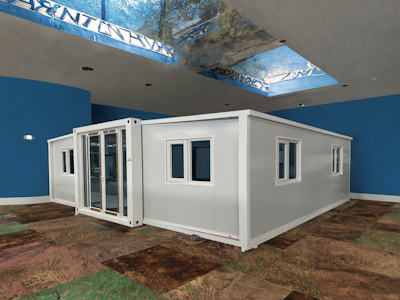
Контейнерный центр помощи – это модульная структура, созданная на основе стандартных транспортных контейнеров, которая может быть быстро развернута в зоне стихийного бедствия для предоставления временного жилья, медицинской помощи, складских помещений, административных офисов и других необходимых услуг. Эти центры спроектированы с учетом мобильности, прочности и адаптивности, что позволяет им эффективно функционировать в самых сложных условиях. Обычно они изготавливаются из высококачественной стали, обеспечивающей защиту от экстремальных погодных условий, и могут быть оснащены системами отопления, вентиляции, кондиционирования воздуха, а также источниками энергии, такими как солнечные панели или генераторы.
История использования контейнеров в гуманитарных целях восходит к нескольким десятилетиям назад, но с развитием технологий их применение стало более sophisticated. Сегодня контейнерные центры помощи интегрируют smart-технологии, такие как IoT-датчики для мониторинга условий внутри контейнеров, что делает их не просто временными укрытиями, а полноценными центрами управления кризисами. Они могут быть настроены под конкретные нужды: от полевых госпиталей до центров распределения продовольствия, что делает их универсальным инструментом в арсенале спасательных организаций.
Преимущества контейнерных центров помощи
Одним из ключевых преимуществ контейнерных центров помощи является их мобильность. В отличие от традиционных построек, которые требуют длительного времени на возведение, контейнеры могут быть транспортированы грузовиками, поездами или даже вертолетами в самые удаленные и труднодоступные районы. Это позволяет начать оказание помощи уже в первые часы после катастрофы, что критически важно для спасения жизней. Например, во время землетрясений или наводнений, когда дороги разрушены, контейнеры могут быть доставлены по воздуху и развернуты на месте в течение нескольких часов.
Экономическая эффективность – еще одно значительное преимущество. Строительство постоянных структур в зонах бедствия часто обходится дорого и требует много времени, тогда как контейнерные центры могут быть арендованы или приобретены по относительно низкой стоимости. Кроме того, они многоразовые: после использования в одной катастрофе их можно демонтировать, транспортировать и использовать снова в другом месте. Это не только снижает затраты, но и минимизирует environmental impact, способствуя устойчивому развитию.
Безопасность и комфорт также находятся на высоком уровне. Контейнеры спроектированы to withstand harsh conditions, including high winds, heavy rain, and even seismic activity. Они обеспечивают защиту от внешних угроз, таких as looters or wild animals, and can be equipped with security systems. Inside, они могут быть обустроены для создания comfortable living conditions, with insulation, lighting, and sanitation facilities, что особенно важно для пострадавших, которые may have lost their homes.
Быстрая развертка – это то, что sets container centers apart. With pre-fabricated components, they can be assembled on-site by a small team using basic tools, reducing the need for specialized labor. This speed is crucial in disasters where every minute counts. For instance, in the aftermath of a hurricane, a container center can be set up to serve as a command post, coordinating rescue efforts and distributing aid without delay.
Adaptability is another strong suit. Containers can be stacked or arranged in various configurations to create larger spaces or specialized areas. They can be customized with partitions, doors, windows, and other features to meet specific needs, such as medical bays for triage or classrooms for children. This flexibility makes them ideal for a wide range of scenarios, from natural disasters to refugee crises.
Применение в различных типах стихийных бедствий
Контейнерные центры помощи доказали свою эффективность в многочисленных реальных ситуациях. Рассмотрим несколько примеров. Во время землетрясений, таких как то, что произошло в Непале в 2015 году, контейнерные центры были использованы для создания временных медицинских клиник и shelters. Их ability to be quickly deployed allowed medical teams to treat injuries immediately, reducing the death toll. Similarly, in flood-prone areas like Bangladesh, container centers have been used as elevated shelters to protect people from rising waters.
В случае ураганов или циклонов, контейнерные центры могут служить центрами эвакуации и распределения помощи. For example, after Hurricane Maria in Puerto Rico, container-based units were used to restore communication networks and provide essential services. Their durability ensured that they remained operational despite the destructive winds and rain.
Для лесных пожаров, контейнерные центры могут быть развернуты на безопасном расстоянии to serve as bases for firefighters and evacuees. They offer a controlled environment with air filtration systems to protect against smoke inhalation. In droughts or famines, они могут быть used as storage facilities for food and water, ensuring that supplies are kept safe and distributed efficiently.
Кроме того, в пандемиях, таких как COVID-19, контейнерные центры были адаптированы для создания изоляционных зон и testing facilities. Their modular nature allowed for rapid expansion of healthcare infrastructure without the need for permanent construction, which was vital in controlling the spread of the virus.
Технологии и инновации в контейнерных центрах
Современные контейнерные центры помощи incorporate cutting-edge technologies to enhance their functionality. IoT-датчики can monitor temperature, humidity, and air quality inside the containers, sending real-time data to rescue teams. This helps in maintaining optimal conditions for medical equipment or perishable goods. Solar panels and battery systems provide renewable energy, making the centers self-sufficient and reducing reliance on fossil fuels, which is especially important in disaster zones where power grids are down.
Advanced materials, such as composite panels, improve insulation and durability while reducing weight, making transportation easier. Smart locks and surveillance systems enhance security, preventing theft and ensuring the safety of occupants. Furthermore, virtual reality and augmented reality tools can be used for training purposes, allowing teams to simulate disaster scenarios and practice deployment procedures before actual events occur.
Интеграция с дронами и робототехникой – это emerging trend. Drones can be used to survey disaster areas and deliver small supplies to container centers, while robots can assist in assembly or maintenance tasks. These innovations not only increase efficiency but also reduce the risk to human responders.
Экономические и экологические аспекты
С точки зрения экономики, контейнерные центры помощи offer significant cost savings compared to traditional construction. The initial investment may be higher for custom-built units, but the long-term benefits, such as reusability and low maintenance, make them a wise choice. Organizations can lease containers instead of buying them, providing flexibility in budgeting. Additionally, the speed of deployment reduces indirect costs, such as lost productivity or extended emergency response times.
Экологически, контейнерные центры are a sustainable option. By repurposing shipping containers, which would otherwise be scrapped, they reduce waste and promote recycling. Their energy-efficient designs, often incorporating green technologies, minimize carbon footprint. For example, using solar power or rainwater harvesting systems can make the centers nearly carbon-neutral. This aligns with global efforts to combat climate change and promotes responsible resource management.
Moreover, the modular nature of containers allows for scalability. Organizations can start with a small number of units and expand as needed, avoiding overinvestment. This is particularly useful in unpredictable disaster scenarios where the scale of need may vary.
Как выбрать и внедрить контейнерный центр помощи
Для организаций, рассматривающих внедрение контейнерных центров помощи, важно провести тщательное планирование. First, assess the specific risks and needs of the region. For instance, areas prone to earthquakes may require containers with enhanced seismic resistance, while flood zones might need elevated designs. Collaborate with experts in logistics and disaster management to design a customized solution.
Выбор поставщика – критический шаг. Look for companies with experience in manufacturing and deploying container-based units. Check for certifications, such as ISO standards, to ensure quality and safety. Consider factors like delivery time, after-sales support, and the ability to provide training for local teams.
Внедрение involves training staff on assembly, maintenance, and operation of the centers. Develop protocols for rapid deployment, including coordination with local authorities and other stakeholders. Test the system through drills and simulations to identify any weaknesses and make improvements.
Финансирование can be sourced through grants, donations, or partnerships with private sector companies. Highlight the cost-effectiveness and humanitarian benefits to attract support. Additionally, consider insurance options to protect the investment against damages during disasters.
Будущее контейнерных центров помощи
Будущее контейнерных центров помощи выглядит bright, with ongoing innovations poised to make them even more effective. Advancements in materials science may lead to lighter and stronger containers, while AI and machine learning could optimize deployment strategies based on predictive analytics of disaster patterns. Increased integration with global supply chains will facilitate faster response times, and growing awareness of climate change will drive adoption worldwide.
We may see the rise of fully autonomous container centers that can self-assemble or be controlled remotely, further reducing human risk. Partnerships between governments, NGOs, and tech companies will spur collaboration and sharing of best practices. Ultimately, контейнерные центры помощи will become a standard tool in disaster management, saving countless lives and fostering resilience in vulnerable communities.
Заключение
В заключение, контейнерные центры помощи представляют собой революционное решение для управления стихийными бедствиями. Их мобильность, экономическая эффективность, безопасность и адаптивность делают их indispensable in today's world. By investing in this technology, organizations can enhance their preparedness and response capabilities, ultimately making a profound impact on humanitarian efforts. We encourage readers to explore the possibilities and take action to integrate container assistance centers into their disaster management plans. Together, we can build a safer, more resilient future.
Для получения дополнительной информации или чтобы начать сотрудничество, свяжитесь с нами сегодня. Давайте работать сообща, чтобы превратить вызовы в возможности и обеспечить помощь тем, кто в ней больше всего нуждается.
Предыдущая страница: Экологичные контейнерные убежища спасают жизни в кризисных зонах
Следующая страница: Современное жилье 20-футовый контейнер дом для вас
Возвращение