
Экологичные контейнерные убежища спасают жизни в кризисных зонах
2025-12-08
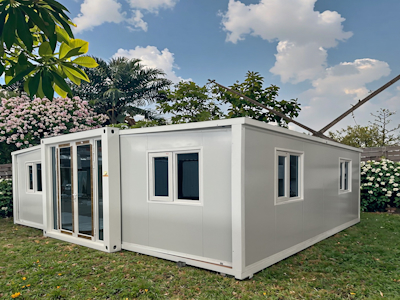
В современном мире, где кризисы становятся все более частыми и разрушительными, необходимость в эффективных и устойчивых решениях для предоставления убежища возрастает. Экологичные контейнерные убежища представляют собой инновационный подход, который не только спасает жизни, но и способствует долгосрочному восстановлению. Эта статья исследует, как переоборудованные морские контейнеры могут служить надежным жильем в кризисных зонах, объединяя экологичность, быстроту развертывания и адаптивность.
Введение в проблему кризисных зон
Кризисные зоны, будь то зоны стихийных бедствий, военных конфликтов или климатических катастроф, характеризуются острой нехваткой основных ресурсов, включая жилье. Традиционные временные убежища, такие как палатки или сборные конструкции, часто оказываются недостаточными из-за их ограниченной долговечности, плохой изоляции и негативного воздействия на окружающую среду. Например, после землетрясения на Гаити в 2010 году миллионы людей остались без крова, и временные лагеря стали рассадниками болезней из-за перенаселенности и антисанитарных условий. Это подчеркивает необходимость более устойчивых решений.
Экологичные контейнерные убежища предлагают альтернативу, которая решает эти проблемы. Они изготавливаются из переработанных морских контейнеров, которые в противном случае могли бы стать отходами, и модифицируются для обеспечения комфорта, безопасности и минимального экологического следа. В этой статье мы рассмотрим преимущества таких убежищ, их применение в реальных сценариях, технические аспекты, экономическую целесообразность и будущие перспективы.
Преимущества экологичных контейнерных убежищ
Экологичные контейнерные убежища обладают множеством преимуществ по сравнению с традиционными временными жилищами. Во-первых, они чрезвычайно прочны и долговечны. Морские контейнеры designed to withstand harsh conditions during transport, making them ideal for crisis zones where weather can be unpredictable. Они могут выдерживать сильные ветры, дожди и даже землетрясения, обеспечивая безопасность для жителей.
Во-вторых, эти убежища быстро развертываются. В кризисной ситуации время имеет critical importance. Контейнеры могут быть доставлены на место и assembled within hours or days, compared to weeks for traditional construction. This speed can save lives by providing immediate shelter after a disaster.
Третье преимущество — экологичность. Используя переработанные контейнеры, мы reduce waste and carbon footprint. Additionally, these shelters can be equipped with solar panels, rainwater harvesting systems, and energy-efficient insulation, making them self-sufficient and reducing reliance on external resources. For instance, in refugee camps, this can lower the environmental impact and promote sustainability.
Четвертое, контейнерные убежища highly adaptable. Они могут быть customized for different climates and needs, such as adding windows for ventilation in hot areas or extra insulation for cold regions. This flexibility makes them suitable for a wide range of crisis scenarios.
Наконец, они cost-effective in the long run. While initial investment might be higher than for tents, their durability means they can be reused multiple times, reducing overall costs for humanitarian organizations. Studies show that over a 10-year period, container shelters can be up to 30% cheaper than temporary alternatives when factoring in maintenance and replacement.
Реальные примеры применения
Экологичные контейнерные убежища уже доказали свою эффективность в различных кризисных зонах по всему миру. Один из prominent examples is their use in the aftermath of the 2015 earthquake in Nepal. Organizations like Habitat for Humanity deployed container-based shelters to provide immediate housing for displaced families. These units were equipped with basic amenities and could be easily transported to remote areas, significantly improving living conditions compared to tents.
В Сирии, где ongoing conflict has left millions homeless, container shelters have been used in refugee camps in neighboring countries like Jordan and Turkey. They offer a more permanent solution than tents, helping to stabilize communities and reduce the psychological stress associated with temporary living. For example, in the Zaatari refugee camp, modified containers have been used as schools and clinics, demonstrating their versatility beyond mere housing.
Another case is in areas affected by climate change, such as coastal regions prone to flooding. In Bangladesh, organizations have implemented container shelters on elevated platforms to protect against rising sea levels. These shelters are designed to be flood-resistant and can be relocated if necessary, providing a sustainable answer to environmental challenges.
В Африке, во время гуманитарных кризисов, таких как голод или эпидемии, контейнерные убежища used as medical units or storage facilities for aid supplies. Their robustness ensures that critical resources are protected from the elements, which is essential in maintaining effective relief operations.
These examples highlight how container shelters are not just a theoretical concept but a practical tool that is already saving lives and improving resilience in crisis zones.
Технические аспекты и дизайн
Создание экологичных контейнерных убежищ involves several technical considerations to ensure they are safe, comfortable, and environmentally friendly. First, the containers themselves are typically standard 20-foot or 40-foot units made from corten steel, which is resistant to corrosion. They are modified by cutting openings for doors and windows, adding insulation, and installing utilities like electricity and plumbing.
Insulation is critical for energy efficiency. Materials such as spray foam or recycled denim are used to maintain temperature control, reducing the need for heating or cooling. This not only saves energy but also makes the shelters habitable in extreme climates. For instance, in cold regions, double-glazed windows and additional heating systems can be incorporated.
Экологические features include solar panels for renewable energy, composting toilets to minimize water usage, and greywater systems for recycling water. These elements make the shelters self-sufficient and reduce their environmental impact. In some designs, green roofs are added to provide insulation and improve air quality.
С точки зрения logistics, containers are designed for easy transport via truck, ship, or even helicopter in remote areas. They can be stacked to save space, making them ideal for dense camp settings. Modular designs allow for expansion, so families can add units as needed, promoting long-term usability.
Safety is paramount. Modifications include fire-resistant materials, secure locking mechanisms, and structural reinforcements to withstand disasters. In earthquake-prone areas, base isolators can be added to absorb shocks.
Overall, the design process focuses on simplicity, sustainability, and scalability, ensuring that these shelters can be deployed quickly and effectively in any crisis.
Экономическая целесообразность
Хотя initial cost of a container shelter can range from $10,000 to $30,000 per unit depending on modifications, this investment is often justified by long-term savings. Compared to temporary tents, which may need replacement every few months, container shelters can last for decades with proper maintenance. This durability reduces recurring costs for humanitarian organizations.
Более того, контейнерные убежища can be repurposed after the crisis. For example, they can be converted into permanent housing, schools, or community centers, providing ongoing value to the community. This contrasts with disposable solutions that contribute to waste.
Funding for these projects often comes from a combination of government aid, private donations, and international organizations. Initiatives like the UN's Sustainable Development Goals encourage investment in sustainable infrastructure, making container shelters an attractive option. In some cases, local economies benefit from the construction and maintenance jobs created during deployment.
Cost-benefit analyses show that for large-scale crises, container shelters can be more economical over time. For instance, in a refugee camp housing 10,000 people, the total cost of container-based housing might be lower than temporary alternatives when considering reduced disease outbreaks, improved security, and better quality of life.
Таким образом, несмотря на более высокие первоначальные затраты, экологичные контейнерные убежища offer significant economic advantages through longevity, versatility, and positive social impact.
Вызовы и ограничения
Несмотря на множество преимуществ, внедрение экологичных контейнерных убежищ сталкивается с несколькими challenges. One major issue is logistics. Transporting heavy containers to remote or inaccessible areas can be difficult and expensive. In some crisis zones, damaged infrastructure may hinder delivery, requiring innovative solutions like airdrops or local assembly.
Другой вызов — cultural acceptance. In some regions, people may be hesitant to live in metal containers due to perceptions of them being impersonal or uncomfortable. Education and community involvement are key to overcoming this, by demonstrating the benefits and customizing designs to local preferences.
Экологические concerns also exist. While using recycled containers is green, the modification process can generate waste and consume energy. It's important to use sustainable practices during construction, such as sourcing local materials and minimizing carbon emissions.
Кроме того, regulatory hurdles can delay deployment. Different countries have varying building codes and standards for temporary housing, which may not accommodate container designs. Advocacy and collaboration with local authorities are necessary to streamline approval processes.
Finally, cost remains a barrier for some organizations. While long-term savings are evident, upfront funding can be scarce during emergencies. Partnerships between governments, NGOs, and private sector can help pool resources and make these shelters more accessible.
Addressing these challenges requires a coordinated effort, but the potential benefits make it a worthwhile pursuit.
Будущие перспективы и инновации
Будущее экологичных контейнерных убежищ looks promising with ongoing innovations. Advancements in technology are making them smarter and more efficient. For example, IoT devices can be integrated to monitor conditions like temperature and air quality, ensuring occupant safety. Solar technology is improving, allowing for greater energy independence.
В области материалов, researchers are developing lighter and more sustainable options, such as bamboo-composite panels, which could reduce the weight of containers and make transport easier. 3D printing is also being explored for on-site customization, enabling rapid adaptation to specific needs.
Стратегически, there is a growing trend towards modular and scalable designs. Containers can be designed to interconnect, creating larger communities with shared facilities like kitchens and bathrooms. This promotes social cohesion and efficient use of space.
Климатическая адаптация will become increasingly important. As crises linked to climate change intensify, container shelters can be designed to withstand hurricanes, floods, and heatwaves. For instance, floating container platforms are being tested in flood-prone areas.
Collaboration between sectors is key. Governments, NGOs, and private companies are forming alliances to standardize designs and reduce costs. Initiatives like the "Container Village" concept aim to create turnkey solutions that can be deployed globally.
В конечном счете, экологичные контейнерные убежища have the potential to revolutionize humanitarian aid, making it more responsive, sustainable, and humane. By continuing to innovate and address challenges, we can ensure that these shelters save even more lives in the future.
Заключение
Экологичные контейнерные убежища представляют собой мощное решение для кризисных зон, combining durability, speed, and sustainability. Они уже доказали свою эффективность в различных contexts, from natural disasters to conflicts, and offer a path towards long-term recovery. While challenges exist, such as logistics and cost, the benefits far outweigh the drawbacks.
Путем инвестирования в эти инновации, мы can not only provide immediate relief but also build resilient communities that are better prepared for future crises. It is imperative for stakeholders to collaborate, innovate, and prioritize sustainable solutions in humanitarian efforts.
В мире, где кризисы становятся все более частыми, экологичные контейнерные убежища stand out as a beacon of hope, saving lives and protecting the environment simultaneously. Let us embrace this technology and work towards a future where no one is left without shelter in times of need.
Предыдущая страница: Расширяемый контейнерный дом будущего жилище
Следующая страница: Контейнерный центр помощи эффективное решение для стихийных бедствий
Возвращение