

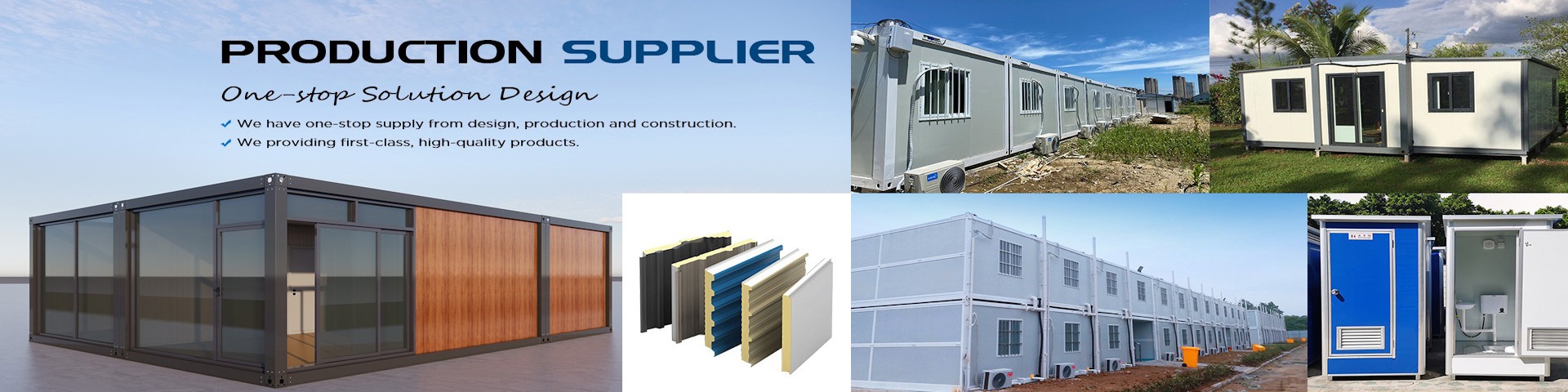
Что такое контейнерный командный центр и как он работает
2025-12-13
В мире, где скорость, гибкость и надежность становятся критически важными для успеха операций, контейнерные командные центры emerge как инновационное решение для управления сложными задачами. But что именно представляет собой этот концепт? Как он функционирует в реальных условиях? И почему он набирает популярность в различных отраслях, от военной обороны до логистики и IT? В этой статье мы погрузимся в детали, чтобы ответить на эти и другие вопросы, предоставляя полное руководство по контейнерным командным центрам.
1. Введение в контейнерные командные центры: Основные понятия
Контейнерный командный центр – это модульная, мобильная установка, разработанная для обеспечения управления операциями в удаленных или временных локациях. Он typically состоит из стандартных морских контейнеров, которые модифицированы и оборудованы advanced технологиями для поддержки командования, контроля, коммуникаций, компьютеров, разведки, наблюдения и рекогносцировки (C4ISR). But зачем использовать контейнеры? Ответ lies в их универсальности: они легко транспортируются, быстро развертываются и могут быть адаптированы под specific needs.
Исторически, командные центры были стационарными сооружениями, требующими значительных ресурсов и времени для установки. However, с ростом глобализации и увеличением частоты кризисных ситуаций, таких как природные катастрофы или военные конфликты, возникла потребность в более agile подходах. Контейнерные решения появились как ответ на этот вызов, позволяя организациям быстро establish operational hubs anywhere in the world.
Key characteristics включают портативность, масштабируемость и resilience. Например, military often uses these centers for field operations, while civilian sectors employ them for disaster response or event management. The modular nature means that multiple containers can be linked together to form larger complexes, providing flexibility in size and function.
2. Как работает контейнерный командный центр: Принципы и компоненты
To understand how a containerized command center works, let's break down its core components and processes. At its heart, it is designed to integrate various systems for seamless operation.
Основные компоненты:
- Контейнерная структура: Typically made from steel, these containers are reinforced to withstand harsh environments. They include insulation for temperature control, power systems, and networking infrastructure.
- ИТ-инфраструктура: Servers, workstations, and communication devices are housed inside. This enables data processing, real-time analytics, and secure communications.
- Системы питания: Often equipped with generators, solar panels, or battery backups to ensure uninterrupted operation, especially in off-grid locations.
- Сети связи: Satellite links, radios, and internet connectivity allow for global reach. Encryption and cybersecurity measures are integral to protect sensitive information.
- Человеческий фактор: Ergonomic designs include seating, lighting, and climate control to support operators during extended missions.
Процесс работы:
Operation begins with deployment. Containers are transported via truck, ship, or air to the desired location. Once on-site, they are quickly set up – often within hours. Power and networking are connected, and systems are booted. Operators then use the center to monitor situations, coordinate resources, and make decisions based on real-time data. For instance, in a disaster scenario, the center might integrate feeds from drones, sensors, and field teams to manage rescue efforts.
Scalability is a key feature. Additional containers can be added to expand capacity, such as adding medical units or storage modules. This modular approach reduces downtime and increases efficiency compared to traditional fixed centers.
3. Применения в различных отраслях: От военного до гражданского использования
Контейнерные командные центры нашли применение в diverse fields, demonstrating their versatility. Let's explore some key areas.
Военное применение: Armed forces use these centers for command posts in combat zones. They provide secure environments for planning and executing missions, with capabilities for intelligence gathering and communications. For example, NATO has deployed containerized centers in exercises to enhance interoperability among member nations.
Чрезвычайные ситуации и гуманитарная помощь: In disasters like earthquakes or hurricanes, these centers enable rapid response. Agencies like the Red Cross use them to coordinate relief efforts, manage logistics, and communicate with affected populations. The mobility allows teams to set up near disaster sites, reducing response times.
Логистика и supply chain: Companies employ containerized centers for managing complex logistics operations. They can be placed at ports or warehouses to monitor shipments, optimize routes, and handle disruptions in real-time.
ИТ и телекоммуникации: For tech companies, these centers serve as mobile data hubs or network operation centers. They can be deployed to support events like concerts or sports games, ensuring reliable connectivity and data management.
Энергетика и инфраструктура: In remote oil fields or construction sites, command centers help monitor operations, enhance safety, and improve efficiency. They can integrate with IoT devices for predictive maintenance.
Each application leverages the core benefits: speed, flexibility, and cost-effectiveness. By reducing the need for permanent infrastructure, organizations save resources and adapt faster to changing conditions.
4. Преимущества и вызовы: Почему выбирают контейнерные решения?
Adopting a containerized command center comes with significant advantages, but also some challenges that need addressing.
Преимущества:
- Мобильность: Easy transport via standard logistics networks means centers can be deployed globally without major hurdles.
- Быстрое развертывание: Set-up times are dramatically reduced compared to building fixed structures, which is crucial in time-sensitive scenarios.
- Масштабируемость: Modules can be added or removed as needs change, allowing for custom configurations.
- Стоимость: Often more affordable than permanent facilities, with lower initial investment and maintenance costs.
- Устойчивость: Many designs incorporate eco-friendly features like solar power, reducing environmental impact.
Вызовы:
- Логистика: Transporting large containers can be complex, requiring careful planning and resources.
- Технические ограничения: Power and connectivity may be issues in remote areas, necessitating robust backup systems.
- Безопасность: Protecting sensitive equipment and data from physical and cyber threats requires advanced measures.
- Обслуживание: Regular upkeep is needed to ensure reliability, especially in harsh conditions.
Despite these challenges, the benefits often outweigh the drawbacks, making containerized centers a preferred choice for many organizations. Innovations in technology continue to address limitations, such as improved battery storage and enhanced cybersecurity protocols.
5. Будущее контейнерных командных центров: Тренды и инновации
The future of containerized command centers looks promising, with ongoing advancements shaping their evolution. Emerging trends include integration of artificial intelligence for predictive analytics, augmented reality for enhanced situational awareness, and greener technologies like hydrogen fuel cells for power.
Moreover, as global threats like climate change and pandemics increase, the demand for mobile, resilient command structures will grow. We can expect to see more automated systems, where AI handles routine tasks, freeing humans for strategic decision-making.
In summary, containerized command centers represent a dynamic solution for modern challenges. Their ability to provide rapid, flexible, and secure operational hubs makes them indispensable across sectors. As technology progresses, these centers will become even more efficient and accessible, transforming how we manage crises and operations worldwide.
This article has explored the essence of containerized command centers, from their basic workings to broad applications. By understanding their capabilities, organizations can better leverage these tools to enhance efficiency and response in an unpredictable world.
Предыдущая страница: Уникальный термоизолированный контейнерный дом мечты
Следующая страница: Коттедж с гаражом из контейнера это фантастика
Возвращение