

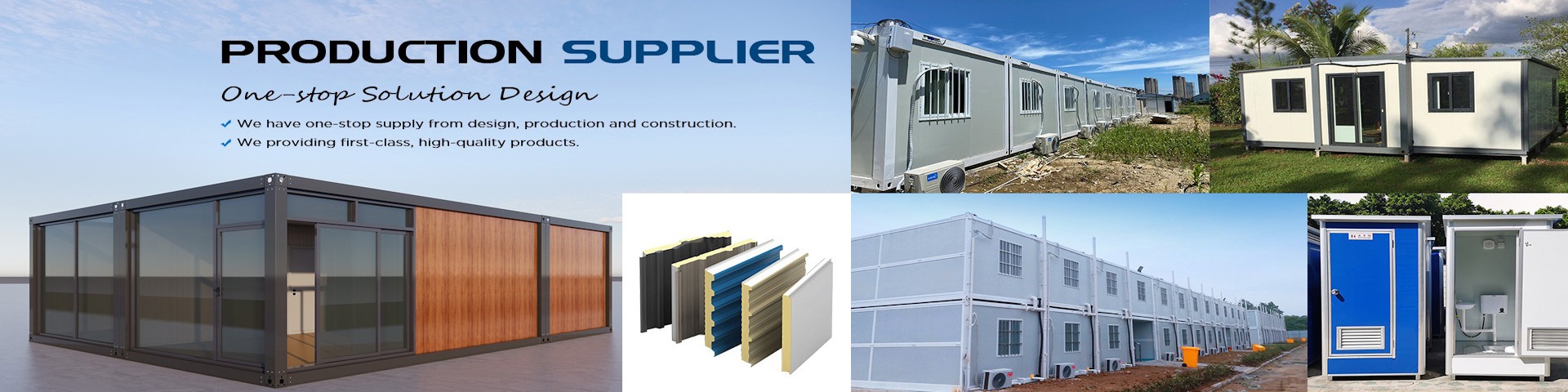
Уникальный термоизолированный контейнерный дом мечты
2025-12-13
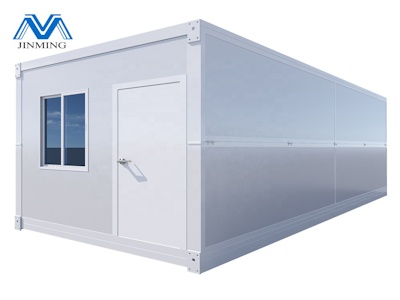
В современном мире, где экологические проблемы и растущие затраты на жилье становятся все более актуальными, поиск инновационных и устойчивых решений для дома становится не просто трендом, а необходимостью. Представьте себе дом, который не только обеспечивает комфорт и безопасность, но и является символом экологичности, мобильности и современного дизайна. Это не фантазия – это уникальный термоизолированный контейнерный дом мечты. В этой статье мы подробно рассмотрим, почему такие дома захватывают воображение людей по всему миру, как они работают, их преимущества, и как вы можете воплотить эту мечту в реальность. Откройте для себя будущее жилья, которое сочетает в себе практичность, эстетику и заботу о планете.
Введение в мир контейнерных домов
Контейнерные дома – это не просто временное укрытие или дань моде; они представляют собой революцию в строительной индустрии. Изначально морские контейнеры использовались для транспортировки грузов, но их прочная стальная конструкция и модульная природа сделали их идеальными кандидатами для преобразования в жилые пространства. Термоизолированный вариант takes this concept to the next level, integrating advanced insulation materials and technologies to ensure optimal thermal performance. This means that such a house can maintain a comfortable temperature year-round, reducing energy consumption and costs. Imagine living in a home that is not only affordable and quick to build but also environmentally friendly and adaptable to your needs. The dream of a container home is no longer limited to enthusiasts; it is becoming a viable option for families, individuals, and even communities seeking sustainable living solutions.
The rise of container homes can be attributed to several factors. Firstly, the global push towards sustainability has encouraged people to rethink traditional construction methods, which often involve high carbon emissions and waste. Container homes, made from recycled materials, reduce the environmental footprint significantly. Secondly, the affordability and speed of construction make them accessible to a wider audience. Unlike conventional homes that can take months or years to build, a container home can be assembled in weeks, thanks to prefabrication and modular design. Lastly, the aesthetic appeal of these homes cannot be overlooked. With sleek, modern designs and customizable interiors, they offer a unique blend of industrial charm and contemporary luxury. This article will delve deep into each of these aspects, providing you with a comprehensive understanding of why a thermally insulated container home might be the perfect choice for your dream dwelling.
Преимущества термоизолированных контейнерных домов
Одним из ключевых преимуществ термоизолированного контейнерного дома является его энергоэффективность. Термоизоляция, typically achieved through materials like spray foam, rigid foam boards, or natural insulators such as wool or cellulose, creates a barrier that minimizes heat transfer. This means that in winter, the house retains heat, reducing the need for heating systems, and in summer, it keeps the interior cool, lowering air conditioning costs. Studies have shown that well-insulated homes can save up to 30% on energy bills, making them not only eco-friendly but also economically smart. Additionally, the use of renewable energy sources, such as solar panels, can further enhance this efficiency, potentially making the home net-zero energy. This aspect is particularly appealing in regions with extreme climates, where traditional homes struggle to maintain comfort without high energy consumption.
Another significant advantage is durability and strength. Marine containers are designed to withstand harsh conditions at sea, including heavy loads, saltwater corrosion, and extreme weather. When converted into homes, they inherit this robustness, making them resistant to earthquakes, hurricanes, and other natural disasters. The steel frame provides a solid structure that can last for decades with proper maintenance. Moreover, the modular nature allows for easy expansion or reconfiguration. If your family grows or your needs change, you can simply add another container module, making the home highly adaptable. This flexibility is a game-changer compared to static traditional homes, which often require expensive renovations or moves.
Экологичность is at the heart of the container home movement. By repurposing used containers, we reduce waste and the demand for new construction materials, which are resource-intensive to produce. A single container home can save tons of steel from being melted down or discarded, contributing to a circular economy. Furthermore, the construction process generates less waste compared to conventional building methods. When combined with sustainable practices like rainwater harvesting, green roofs, and energy-efficient appliances, these homes can have a minimal environmental impact. This aligns with global goals to combat climate change and promotes a lifestyle that values sustainability. For those who are passionate about reducing their carbon footprint, a container home offers a tangible way to make a difference.
Cost-effectiveness is another compelling reason to consider a container home. The initial investment is often lower than that of a traditional house, primarily due to the reduced material and labor costs. Containers are mass-produced and readily available, which keeps prices down. Additionally, the speed of construction means less time spent on site, reducing overhead expenses. For example, a basic container home can cost as little as $20,000 to $50,000, while a larger, customized version might range from $100,000 to $200,000, still considerably less than many conventional homes. This affordability opens up homeownership opportunities for younger generations, low-income families, and those looking to downsize or invest in vacation properties.
Мобильность and portability are unique features that set container homes apart. Unlike fixed structures, containers can be transported easily using trucks, ships, or trains. This means you can relocate your home without the hassle of selling and buying a new property. It's ideal for people with nomadic lifestyles, such as digital nomads, or for those who want a vacation home that can be moved to different locations. Some companies even offer container homes on wheels, blending the concepts of tiny homes and mobile homes. This mobility also allows for deployment in remote or disaster-stricken areas, providing quick and durable housing solutions. Imagine having a home that can travel with you, offering stability and comfort wherever you go.
Эстетика и дизайн play a crucial role in the appeal of container homes. The industrial look of steel containers can be transformed into sleek, modern spaces with creative interior design. Open floor plans, large windows, and innovative use of space make these homes feel spacious and inviting. Architects and designers have embraced the challenge, creating stunning homes that rival traditional houses in beauty and functionality. From minimalist studios to multi-story family homes, the possibilities are endless. The ability to customize every aspect – from layout to finishes – allows homeowners to express their personal style. This fusion of form and function makes container homes not just practical but also desirable living environments.
Как работает термоизоляция в контейнерных домах
Термоизоляция is the cornerstone of energy efficiency in container homes. Without proper insulation, steel containers can become ovens in summer and freezers in winter due to their high thermal conductivity. The process of insulating a container home involves several steps. First, the container is inspected and prepared, which may include sandblasting to remove rust and applying protective coatings. Then, insulation material is installed on the walls, floor, and ceiling. Common materials include spray polyurethane foam (SPF), which expands to fill gaps and provides excellent R-value (a measure of thermal resistance), typically around R-6 per inch. Other options include rigid foam boards, mineral wool, or even recycled materials like denim insulation. The choice depends on factors such as climate, budget, and environmental preferences.
После установки изоляции, важно обеспечить пароизоляцию to prevent moisture buildup, which can lead to mold and structural damage. This is often achieved with vapor barriers made of polyethylene or similar materials. Additionally, ventilation systems are incorporated to maintain air quality and regulate humidity. In colder climates, double-glazed windows and insulated doors are added to further enhance thermal performance. The result is a home that maintains a consistent indoor temperature with minimal energy input. For instance, in a well-insulated container home, the temperature might only fluctuate by a few degrees even during extreme weather, reducing the load on HVAC systems. This not only saves money but also contributes to a healthier living environment by reducing drafts and cold spots.
Инновационные технологии are continuously improving insulation methods. For example, phase-change materials (PCMs) can be integrated into walls to absorb and release heat, acting as thermal batteries. Smart home systems can monitor and adjust insulation dynamically based on weather conditions. These advancements make container homes even more efficient and comfortable. It's also worth noting that insulation contributes to soundproofing, making these homes quieter than traditional ones, which is a bonus in noisy urban areas. Overall, the insulation process transforms a simple metal box into a cozy, energy-efficient sanctuary that meets modern living standards.
Практические аспекты строительства и стоимости
Строительство термоизолированного контейнерного дома involves several stages, from planning to execution. The first step is design and planning, where you work with architects or use pre-designed plans to outline the layout, insulation specs, and amenities. This phase includes obtaining necessary permits, which can vary by location; some areas have specific codes for container homes, so it's essential to research local regulations. Next, sourcing containers: new containers are more expensive but require less preparation, while used containers are cheaper but may need more work to ensure structural integrity. Prices for a standard 20-foot container range from $2,000 to $5,000, and for a 40-foot container, from $4,000 to $8,000, depending on condition and location.
Модификация containers includes cutting openings for doors and windows, which must be done carefully to maintain structural strength. Reinforcement may be needed around these openings. Then, insulation is installed, as described earlier, which can add $2,000 to $10,000 to the cost, depending on the material and complexity. Electrical and plumbing systems are integrated, which might cost another $5,000 to $20,000, based on the size of the home and desired features. Interior finishing, such as drywall, flooring, and cabinetry, can range from $10,000 to $50,000. All told, a basic insulated container home might cost $30,000 to $100,000, while a high-end custom build could reach $200,000 or more. However, this is still often 20-50% less than a traditional home of similar size.
Временные затраты are significantly reduced. While a conventional home can take 6-12 months to build, a container home can be completed in 2-6 months, thanks to off-site fabrication. This speed reduces labor costs and allows for quicker occupancy. Maintenance is relatively low; regular inspections for rust and reapplying protective coatings every few years can keep the home in good condition for decades. Financing options are becoming more available, with some banks offering loans specifically for alternative homes. Overall, the practical aspects make container homes an attractive option for those seeking a efficient, cost-effective, and timely housing solution.
Реальные примеры и вдохновляющие истории
По всему миру, люди embrace container homes for various reasons. Take the example of a family in California who built a multi-container home with solar panels and rainwater collection系统. They reduced their energy bills by 40% and now live completely off-grid. Or consider a couple in Norway who used containers to create a cozy cabin in the mountains, with advanced insulation that keeps them warm during harsh winters. These stories highlight the versatility and effectiveness of container homes. In urban areas, developers are using containers to build affordable housing complexes, addressing homelessness and housing shortages. For instance, a project in Amsterdam transformed containers into stylish apartments for students and young professionals, demonstrating how this concept can scale to community level.
Another inspiring story comes from disaster relief efforts. After hurricanes or earthquakes, container homes have been deployed as temporary shelters that are more durable than tents. Organizations like Habitat for Humanity have adopted container-based solutions for quick rebuilding. These real-world applications show that container homes are not just a niche trend but a practical answer to global housing challenges. They inspire others to think creatively about homeownership and sustainability, proving that dreams can be built from something as simple as a shipping container.
Заключение: Ваш путь к дому мечты
В заключение, уникальный термоизолированный контейнерный дом предлагает сочетание инноваций, экологичности и комфорта, которое трудно найти в традиционном жилье. От энергоэффективности и долговечности to mobility and design, these homes represent the future of sustainable living. Whether you're looking to reduce your environmental impact, save money, or simply live in a space that reflects your values, a container home could be the perfect choice. Start by researching local regulations, connecting with experts, and envisioning your dream design. The journey might require effort, but the reward – a home that is truly yours, efficient, and kind to the planet – is worth it. Embrace the possibility and join the movement towards a brighter, more sustainable future with your very own container home dream.
This article has covered the essentials, but the world of container homes is vast and ever-evolving. Keep exploring, and you might just find that your dream home is waiting in a simple steel box. Remember, innovation often starts with reimagining the ordinary – and what could be more ordinary than a shipping container? Yet, with vision and care, it becomes extraordinary. Thank you for reading, and may your housing dreams come true!
Предыдущая страница: Отель из контейнеров это будущее или временное решение
Следующая страница: Что такое контейнерный командный центр и как он работает
Возвращение