
Инновационный контейнерный магазин революция в розничной торговле
2025-12-15
В современном мире розничная торговля постоянно эволюционирует, стремясь соответствовать быстро меняющимся потребностям потребителей и вызовам глобального рынка. Одной из самых инновационных и перспективных тенденций последних лет стало появление контейнерных магазинов. Эти мобильные, модульные и устойчивые торговые пространства не только предлагают новую парадигму в розничной торговле, но и становятся символом гибкости, инноваций и экологической ответственности. В этой статье мы подробно исследуем, как инновационные контейнерные магазины революционизируют отрасль, анализируя их преимущества, технологии, внедрение и будущие перспективы.
Введение в контейнерные магазины
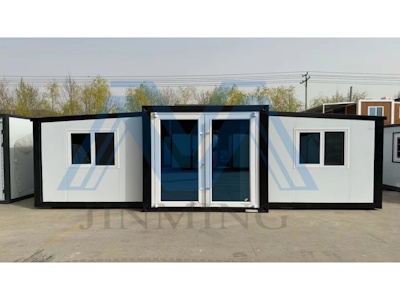
Контейнерные магазины — это торговые точки, созданные из переоборудованных морских контейнеров. Изначально использовавшиеся для транспортировки грузов, эти контейнеры теперь находят новое применение в розничной торговле благодаря своей прочности, модульности и мобильности. История их использования в коммерческих целях началась в начале 2000-х годов, с пионерских проектов в таких странах, как США и Великобритания, где они были использованы для создания поп-ап магазинов, временных рынков и даже постоянных торговых пространств. Сегодня эта концепция распространилась по всему миру, включая Россию, где она набирает популярность благодаря своей адаптивности к различным бизнес-моделям и рыночным условиям.
Основные характеристики контейнерных магазинов включают их компактность — стандартный контейнер имеет размеры около 6 метров в длину, 2,4 метра в ширину и 2,6 метра в высоту, что делает его идеальным для небольших торговых площадей. Они легко транспортируются и могут быть установлены практически anywhere, от городских центров до удаленных локаций. Кроме того, контейнеры могут быть модифицированы с добавлением окон, дверей, систем отопления и охлаждения, а также современных технологий, превращая их в полнофункциональные магазины. Эта гибкость позволяет бизнесам быстро реагировать на изменения спроса, тестировать новые рынки с минимальными инвестициями и создавать уникальные клиентские experiences.
Преимущества контейнерных магазинов
Контейнерные магазины предлагают ряд значительных преимуществ по сравнению с традиционными кирпичными магазинами. Во-первых, экономическая эффективность: стоимость покупки и переоборудования контейнера значительно ниже, чем строительство нового здания. По оценкам, начальные инвестиции могут быть на 30-50% меньше, что делает этот формат accessible для малого и среднего бизнеса. Кроме того, сокращаются сроки реализации проектов — контейнерный магазин может быть запущен за несколько недель, в то время как строительство традиционного магазина может занять месяцы или даже годы.
Экологическая устойчивость — еще одно ключевое преимущество. Использование переработанных контейнеров reduces waste и способствует circular economy. Многие контейнеры оснащаются solar panels, системами сбора дождевой воды и energy-efficient lighting, что further minimizes their environmental impact. Это не only appeals to environmentally conscious consumers but also aligns with global sustainability goals, such as those outlined in the UN Sustainable Development Goals.
Гибкость и мобильность позволяют бизнесам адаптироваться к сезонным fluctuations или events. Например, контейнерный магазин can be easily relocated to a festival, fair, or new neighborhood, providing opportunities for increased foot traffic and sales. This mobility also reduces risks associated with long-term leases, as businesses can test markets without committing to permanent locations.
Уникальный клиентский опыт is another standout benefit. The industrial, modern aesthetic of container shops often attracts curious shoppers, creating a sense of novelty and excitement. Businesses can customize the interior and exterior to reflect their brand identity, offering immersive and memorable shopping experiences that differentiate them from competitors.
Технологии в контейнерных магазинах
Инновационные технологии play a crucial role in enhancing the functionality and appeal of container shops. Smart retail solutions, such as IoT devices, are commonly integrated to monitor inventory, track customer behavior, and optimize operations. For instance, sensors can detect foot traffic and adjust lighting or temperature automatically, improving energy efficiency.
Digital payment systems, including mobile wallets and contactless options, are standard in modern container shops, ensuring seamless transactions. Augmented reality (AR) and virtual reality (VR) can be used to create interactive product demonstrations, allowing customers to visualize items in their own space before purchasing.
Energy management is a key focus, with many container shops incorporating renewable energy sources. Solar panels on the roof can power lighting and POS systems, while battery storage ensures operation during off-peak hours. Advanced insulation materials help maintain comfortable temperatures, reducing reliance on heating and cooling systems.
Security technologies, such as surveillance cameras and alarm systems, are easily installed to protect assets. Additionally, modular design allows for easy upgrades, so businesses can incorporate new technologies as they emerge, future-proofing their investments.
Внедрение и управление
Запуск контейнерного магазина involves several steps, starting with planning and design. Businesses must consider factors like location, target audience, and local regulations. Working with architects and engineers experienced in container conversions is essential to ensure structural integrity and compliance with building codes.
Procurement and modification of the container include sourcing a suitable unit, which can be new or used, and customizing it with features like windows, doors, and interior fittings. Costs vary based on size and complexity, but typically range from $10,000 to $50,000 per container, excluding land and operational expenses.
Logistics and installation require coordinating transportation to the site, which may involve permits for oversized loads. Once on location, the container needs to be leveled and connected to utilities like electricity, water, and internet. In some cases, multiple containers can be stacked or arranged to create larger spaces.
Operational management involves staffing, inventory control, and marketing. Due to their small size, container shops often benefit from lean staffing models, with one or two employees managing sales. Digital tools for inventory management can streamline operations, while social media and local advertising help attract customers.
Challenges include dealing with extreme weather conditions, as containers can be prone to temperature fluctuations without proper insulation. Zoning laws and permits can also be obstacles, as some municipalities have restrictions on temporary structures. However, these can often be overcome with careful planning and community engagement.
Примеры успешных внедрений
Многочисленные компании успешно внедрили контейнерные магазины по всему миру. Например, бренд одежды Freitag в Цюрихе, Швейцария, использует stacked containers to create a flagship store that is both iconic and sustainable. Their store features recycled materials and offers a unique shopping experience that aligns with their eco-friendly brand values.
В США, компания Starbucks открыла several container drive-thru locations, demonstrating how large corporations can adopt this format for efficiency and novelty. These stores are designed to be energy-neutral, with solar panels and water-saving features.
В России, проекты like Container Yard in Moscow have emerged as hubs for pop-up shops and events, showcasing local brands and fostering community engagement. These spaces often host markets, exhibitions, and cultural activities, highlighting the versatility of container-based retail.
Малые бизнесы также benefit from this model. For instance, a local coffee shop might use a container to open a satellite location in a high-foot-traffic area without the high costs of a permanent lease. This allows for experimentation and growth with minimal risk.
Case studies show that container shops can achieve profitability quickly due to lower overheads. Customer feedback often highlights the unique and engaging nature of these spaces, leading to higher footfall and loyalty.
Будущие тенденции и перспективы
Будущее контейнерных магазинов выглядит bright, with several trends shaping their evolution. The integration of artificial intelligence (AI) will enable more personalized shopping experiences, with AI-powered recommendations and chatbots assisting customers.
Sustainability will continue to be a driver, with advances in green technologies making container shops even more eco-friendly. For example, developments in biodegradable materials and energy storage could further reduce environmental impact.
Modular and scalable designs will allow for easier expansion, with businesses adding or removing containers as needed. This flexibility supports agile business models that can quickly adapt to market changes.
Global adoption is expected to increase, particularly in emerging markets where infrastructure limitations make traditional retail challenging. Container shops can provide access to goods and services in remote or underserved areas.
Collaborations with other industries, such as hospitality and entertainment, may lead to hybrid spaces that combine retail with dining or events, creating multifunctional destinations.
В долгосрочной перспективе, контейнерные магазины could become a standard in retail, especially as consumers prioritize experiences and sustainability. Innovations in design and technology will continue to push the boundaries of what is possible, making this format an integral part of the retail landscape.
Заключение
Инновационные контейнерные магазины представляют собой настоящую революцию в розничной торговле, предлагая экономичные, устойчивые и гибкие решения для businesses of all sizes. Их ability to combine functionality with unique customer experiences makes them a powerful tool for modern retail. As technology advances and consumer preferences evolve, container shops are poised to play an increasingly important role in shaping the future of commerce. By embracing this trend, businesses can not only reduce costs and environmental impact but also create memorable and engaging spaces that drive growth and loyalty.
Whether you are a startup looking to test the market or an established brand seeking innovation, consider the potential of container shops to transform your retail strategy. The revolution is here, and it is built one container at a time.
Предыдущая страница: Недорогое жилье в контейнерах бюджетный вариант для вашей семьи
Следующая страница: Долговечный контейнерный дом для жизни на века
Возвращение