

Недорогое жилье в контейнерах бюджетный вариант для вашей семьи
2025-12-15
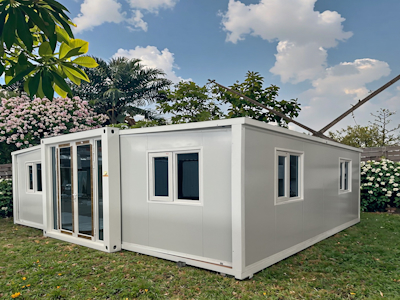
В современном мире, где цены на недвижимость постоянно растут, многие семьи ищут альтернативные и экономичные способы обзавестись собственным жильем. Одним из таких инновационных решений является контейнерное жилье – модульные дома, созданные из морских контейнеров. Это не только дешево, но и экологично, практично и быстро в реализации. В этой статье мы подробно рассмотрим, почему контейнерное жилье может стать идеальным выбором для вашей семьи, обсудим его преимущества, недостатки, стоимость, процесс строительства и многое другое. Давайте погрузимся в тему и узнаем, как этот бюджетный вариант способен изменить вашу жизнь к лучшему.
Введение в контейнерное жилье
Контейнерное жилье – это тип модульного строительства, где в качестве основного материала используются стандартные морские контейнеры. Эти контейнеры, обычно изготовленные из прочной стали, предназначены для перевозки грузов и имеют стандартные размеры, такие как 20 или 40 футов в длину. Благодаря своей прочности и доступности, они стали популярным выбором для создания жилых пространств. Идея преобразовать контейнер в дом возникла недавно, но быстро набрала обороты из-за растущего интереса к устойчивому и экономичному жилью.
История контейнерного жилья начинается с середины 20 века, когда контейнеры стали широко использоваться в логистике. Однако только в последние десятилетия архитекторы и строители начали видеть в них потенциал для жилья. Первые проекты были экспериментальными, но сегодня контейнерные дома можно найти по всему миру – от городских квартир до загородных резиденций. Это демонстрирует, насколько гибким и адаптивным может быть этот подход.
Для семей, контейнерное жилье предлагает уникальные преимущества. Оно позволяет сэкономить значительные средства по сравнению с традиционным строительством, при этом предоставляя комфортное и современное пространство. Кроме того, модульная природа контейнеров означает, что дом можно легко расширить или изменить в будущем, что идеально подходит для растущих семей. В следующих разделах мы углубимся в детали, чтобы помочь вам понять, подходит ли этот вариант для вас.
Преимущества контейнерного жилья
Одним из главных преимуществ контейнерного жилья является его стоимость. По сравнению с кирпичными или деревянными домами, контейнерные конструкции обходятся значительно дешевле. Средняя цена контейнера составляет от 2000 до 5000 долларов, в зависимости от размера и состояния. После модификации, включая утепление, отделку и подключение коммуникаций, общая стоимость дома может варьироваться от 20 000 до 100 000 долларов, что намного ниже, чем у традиционного жилья. Это делает его доступным для семей с ограниченным бюджетом.
Еще одно ключевое преимущество – скорость строительства. Поскольку контейнеры уже имеют готовую структуру, процесс сборки занимает недели или месяцы, а не годы, как при обычном строительстве. Это означает, что вы сможете переехать в новый дом гораздо быстрее, что особенно важно для семей,急切но нуждающихся в жилье. Кроме того, модульность позволяет легко добавлять новые секции, если ваша семья расширяется.
Экологичность – еще один плюс. Использование переработанных контейнеров снижает воздействие на окружающую среду, так как это дает вторую жизнь материалам, которые иначе могли бы быть утилизированы. Контейнерные дома часто проектируются с энергоэффективными системами, такими как солнечные панели или системы сбора дождевой воды, что further уменьшает углеродный след. Для семей, заботящихся о природе, это отличный способ жить sustainably.
Практичность и durability также выделяются. Контейнеры сделаны из стали, что делает их прочными, устойчивыми к погодным условиям и пожарам. При proper insulation, они могут обеспечить комфортный климат внутри, даже в экстремальных температурах. Это делает их подходящими для различных климатических зон, от холодных северных регионов до жарких южных.
Наконец, контейнерное жилье offers flexibility in design. Вы можете комбинировать multiple containers to create unique layouts, add windows, doors, and even rooftop gardens. This allows for personalized spaces that reflect your family's needs and style. Whether you want a minimalist modern home or a cozy rustic retreat, the possibilities are endless.
Недостатки и как их преодолеть
Несмотря на множество advantages, контейнерное жилье имеет и некоторые drawbacks. Один из основных – необходимость тщательной insulation. Сталь conducts heat easily, so without proper insulation, the house can become too hot in summer and too cold in winter. Однако, это легко решается с помощью современных изоляционных материалов, таких как spray foam или mineral wool, которые effectively regulate temperature.
Another challenge is the potential for rust and corrosion, especially if the containers are old or exposed to harsh environments. Regular maintenance, including painting and sealing, can prevent this issue. It's also important to choose containers in good condition or treat them with anti-corrosive coatings during construction.
Space limitations can be a concern, as standard containers are relatively narrow. But by combining multiple containers or using creative design, you can achieve spacious interiors. For example, removing internal walls or adding mezzanines can maximize usable area.
Regulatory and zoning issues may arise in some areas, as local building codes might not fully address container homes. It's crucial to research and obtain necessary permits before starting a project. Working with experienced architects and builders who specialize in container construction can help navigate these challenges.
Despite these drawbacks, with proper planning and execution, they can be mitigated, making container housing a viable option for many families.
Стоимость и бюджетное планирование
When considering container housing, cost is a major factor. The total expense includes the purchase of containers, transportation, site preparation, modifications, insulation, interior finishing, and utility connections. On average, a basic container home can cost between $20,000 and $50,000, while larger or more luxurious designs may reach $100,000 or more. This is significantly lower than traditional homes, which often start at $200,000.
To keep costs down, families can opt for used containers, which are cheaper but may require more work. DIY approaches can also save money, but it's recommended to hire professionals for critical tasks like structural modifications and electrical work. Budgeting should include contingencies for unexpected expenses, such as permit fees or additional insulation needs.
Financing options for container homes are becoming more available, with some banks offering loans specifically for alternative housing. Additionally, government incentives for eco-friendly construction may apply in certain regions, further reducing costs.
By carefully planning and prioritizing needs, families can create a comfortable home within their budget. For example, starting with a single container and expanding later as finances allow.
Процесс строительства: от идеи до реализации
The construction process for a container home involves several steps. First, conceptualize the design based on your family's needs – number of bedrooms, bathrooms, living areas, etc. Next, acquire containers, either new or used, ensuring they are structurally sound.
Site preparation includes leveling the ground, pouring a foundation (e.g., concrete slab or piers), and arranging for utility connections. Then, modifications are made: cutting openings for windows and doors, adding insulation, and reinforcing the structure if necessary.
Interior finishing involves installing drywall, flooring, plumbing, electrical systems, and HVAC. Finally, exterior work such as painting and landscaping completes the project. Throughout, it's essential to work with skilled contractors to ensure safety and compliance with building codes.
The modular nature allows for phases construction, making it manageable for families. For instance, you could live in one container while preparing others for expansion.
Реальные примеры и вдохновляющие истории
Many families have successfully adopted container housing. For example, the Smith family in California built a beautiful home from four 40-foot containers, saving over 50% compared to a traditional build. They emphasize the quick construction time – only six months from start to finish – and the eco-friendly aspects, such as using recycled materials.
In Russia, a growing number of projects showcase container homes in suburban areas, offering affordable alternatives to expensive city apartments. These stories inspire others to consider this option, demonstrating that with creativity, container living can be luxurious and comfortable.
These examples highlight the versatility and affordability of container homes, proving that they are not just a trend but a practical solution for modern housing needs.
Советы по выбору и адаптации для семьи
When choosing container housing, consider factors like location, climate, and local regulations. Select a site with good access to utilities and transportation. For families, prioritize safety features such as fire-resistant materials and secure foundations.
Adapt the design to include child-friendly spaces, storage solutions, and outdoor areas. Think about future expansion – containers can be stacked or arranged to add rooms as your family grows.
Consult with experts to ensure the home meets all standards. By taking these steps, you can create a nurturing environment for your family at a fraction of the cost.
Ответы на частые вопросы
Q: Is container housing safe? A: Yes, with proper construction and insulation, it is as safe as traditional homes.
Q: How long does a container home last? A: With maintenance, it can last 25-30 years or more.
Q: Can I get a mortgage for a container home? A: It depends on the lender, but options are increasing.
These FAQs address common concerns, helping families make informed decisions.
Заключение: будущее контейнерного жилья
В заключение, контейнерное жилье представляет собой innovative and budget-friendly option for families seeking affordable housing. Its advantages in cost, speed, and sustainability make it a compelling choice. While challenges exist, they are manageable with proper planning. As technology and acceptance grow, container homes are poised to become a mainstream solution, offering a brighter future for families worldwide. Consider exploring this option – it might be the key to your dream home without breaking the bank.
Предыдущая страница: Что такое контейнерный ресторан и почему он популярен
Следующая страница: Инновационный контейнерный магазин революция в розничной торговле
Возвращение