
Школьные здания из контейнеров: инновация или экономия
2025-12-18
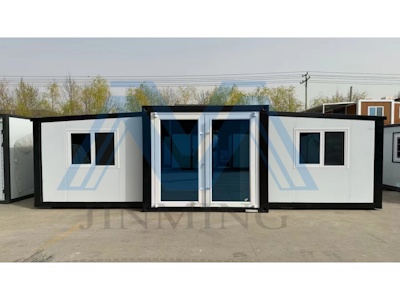
В современном мире образование сталкивается с многочисленными вызовами, включая быстрый рост населения, урбанизацию и ограниченность ресурсов. Одним из инновационных решений, которое набирает популярность, является строительство школьных зданий из контейнеров. Этот подход вызывает споры: является ли он прорывной инновацией, способной трансформировать образовательную инфраструктуру, или же это просто экономическая мера, направленная на сокращение затрат? В данной статье мы подробно рассмотрим этот вопрос, анализируя преимущества, недостатки и реальные примеры использования контейнерных школ.
Введение в тему
Контейнерные здания, изначально разработанные для транспортировки грузов, стали применяться в архитектуре и строительстве благодаря своей прочности, модульности и относительной дешевизне. В контексте образования такие конструкции предлагают быстрый и гибкий способ создания учебных пространств, особенно в регионах с нехваткой школ или после природных катастроф. Однако, несмотря на потенциальные выгоды, многие сомневаются в их долговечности, комфорте и образовательной ценности. Эта статья aims to provide a balanced view, exploring whether container-based schools represent a true innovation or merely a cost-saving tactic.
Исторический контекст и развитие
Использование контейнеров в строительстве началось в середине XX века, но массовое применение в образовании стало заметным только в последние десятилетия. Например, в странах like the Netherlands and the United States, container schools have been used to address temporary shortages or as pilot projects for sustainable design. The trend has spread to developing regions, where rapid urbanization and population growth outpace traditional construction methods. This historical shift highlights how necessity drives innovation, but also raises questions about the long-term viability of such solutions.
Преимущества контейнерных школьных зданий
Экономическая эффективность
Одним из главных аргументов в пользу контейнерных школ является их низкая стоимость. По сравнению с традиционным строительством, использование контейнеров может сократить расходы на 30-50%. Это связано с меньшими затратами на материалы, labor, and time. For instance, a standard container can be purchased for a few thousand dollars, and modular designs allow for easy expansion or reconfiguration. This makes it an attractive option for budget-constrained educational systems or emergency situations.
Скорость строительства
Контейнерные здания can be assembled much faster than conventional structures. While a traditional school might take years to build, a container-based one can be ready in months or even weeks. This is crucial in areas affected by disasters or where student populations are growing rapidly. The modular nature allows for prefabrication off-site, reducing on-site construction time and minimizing disruption to communities.
Экологичность и устойчивость
Many container schools emphasize sustainability by repurposing used containers, which reduces waste and carbon footprint. Additionally, they can be designed with green features such as solar panels, rainwater harvesting, and energy-efficient insulation. This aligns with global trends towards eco-friendly construction and can serve as an educational tool for students about environmental responsibility.
Гибкость и модульность
The modular design of containers allows for easy customization and scalability. Schools can start small and expand as needed by adding more containers. This flexibility is ideal for adapting to changing enrollment numbers or educational needs. For example, containers can be configured into classrooms, libraries, or even science labs, providing a versatile learning environment.
Недостатки и критика
Вопросы долговечности и maintenance
Despite their advantages, container schools face criticism regarding durability. Containers are designed for shipping, not long-term habitation, and may require significant modifications to ensure structural integrity, insulation, and safety. In harsh climates, they can be prone to corrosion, leaks, or temperature extremes, leading to higher maintenance costs over time. Critics argue that these issues might offset initial savings.
Психологические и социальные аспекты
Some educators and parents express concerns about the learning environment in container schools. They fear that such spaces might feel temporary or inferior, potentially affecting student morale and academic performance. Additionally, there may be stigma associated with "container schools," perceived as a second-rate solution compared to traditional buildings. Ensuring that these spaces are well-designed, comfortable, and inspiring is essential to mitigate these concerns.
Ограничения по размерам и дизайну
Containers have fixed dimensions, which can limit architectural creativity and space utilization. While modularity offers flexibility, it may not accommodate all educational activities, such as large gymnasiums or auditoriums. Creative design is needed to overcome these constraints, but it can increase costs and complexity.
Реальные примеры и тематические исследования
To illustrate the practicality of container schools, let's examine a few case studies. In Nigeria, the "Container Classroom" project has provided education to underserved communities, demonstrating how low-cost solutions can make a significant impact. Similarly, in Europe, schools like the Keetwonen in Amsterdam have successfully used containers for student housing and classrooms, showcasing innovative design and community integration. These examples highlight both successes and challenges, offering valuable lessons for future projects.
Сравнение с традиционными школьными зданиями
When comparing container schools to traditional ones, key factors include cost, construction time, environmental impact, and educational outcomes. Traditional buildings often offer better durability and aesthetic appeal but come with higher costs and longer timelines. Container schools excel in speed and economy but require careful planning to ensure they meet educational standards. A balanced approach might involve hybrid models that combine elements of both.
Будущее контейнерных школ
The future of container schools looks promising, especially with advancements in technology and design. Innovations in insulation, materials, and modular systems could address current limitations, making them more sustainable and comfortable. As education systems worldwide grapple with funding shortages and population pressures, container-based solutions may become a mainstream option, particularly in developing regions or for temporary facilities.
Заключение: инновация или экономия?
In conclusion, school buildings from containers represent both an innovation and an economic measure. They are innovative in their approach to modular, sustainable construction and ability to provide quick solutions in crises. However, they are primarily driven by economic considerations, offering cost savings that can make education more accessible. The key to their success lies in addressing drawbacks through good design, maintenance, and community engagement. Ultimately, whether they are seen as innovation or economy depends on implementation context—when done well, they can be a transformative tool for education.
This article has explored the multifaceted nature of container schools, highlighting that they are not a one-size-fits-all solution but a valuable option in the educational landscape. As we move forward, continued research and experimentation will help refine this approach, ensuring that it serves the best interests of students and societies alike.
Предыдущая страница: Современная жизнь в контейнерах модный тренд в архитектуре
Следующая страница: Эксклюзивные дизайны контейнерных жилищ вдохновляют
Возвращение