

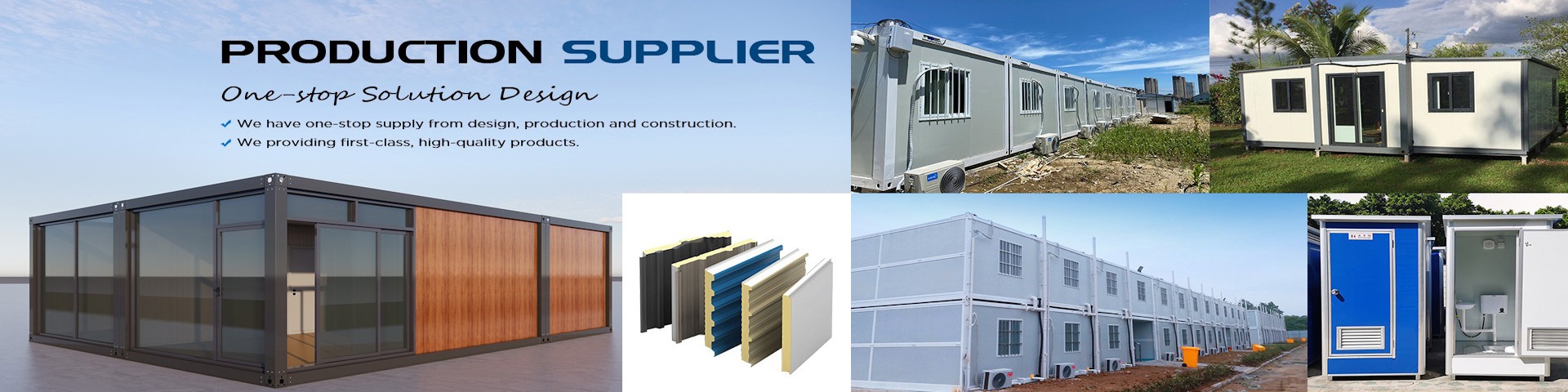
Современная жизнь в контейнерах модный тренд в архитектуре
2025-12-18
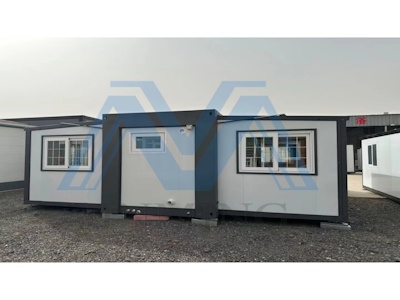
В последние десятилетия архитектурный ландшафт претерпел значительные изменения, и одним из самых ярких и инновационных трендов стало использование морских контейнеров в строительстве. Этот подход, известный как контейнерная архитектура, сочетает в себе экологичность, экономичность и креативный дизайн, предлагая уникальные решения для современных урбанистических вызовов. В этой статье мы подробно исследуем, почему жизнь в контейнерах стала модным трендом, анализируя её историю, преимущества, вызовы и будущие перспективы.
Введение в контейнерную архитектуру
Контейнерная архитектура — это направление в строительстве, которое использует стандартизированные стальные контейнеры, первоначально предназначенные для морских перевозок, в качестве основных строительных блоков для создания жилых, коммерческих и общественных зданий. Эти контейнеры, обычно размером 20 или 40 футов, обладают прочной структурой, что делает их идеальными для модульного строительства. Тренд зародился в конце XX века, но настоящий бум произошел в 2000-х годах, когда архитекторы и дизайнеры начали видеть в контейнерах не просто утилитарные объекты, а canvas для творчества и устойчивого развития.
Исторически, контейнеры использовались для временного жилья или складских помещений, но сегодня они трансформируются в полноценные дома, офисы, школы и даже художественные галереи. Например, в Нидерландах существует целый район из контейнерных домов, а в США популярны контейнерные кафе и pop-up магазины. Этот тренд отражает broader shift towards sustainable and adaptive reuse in architecture, где waste is minimized, and resources are optimized.
Экологические преимущества контейнерной архитектуры
Одним из ключевых драйверов популярности контейнерной архитектуры является её экологическая составляющая. В мире, где устойчивое развитие становится imperative, перепрофилирование контейнеров offers a tangible solution to reduce environmental impact. Во-первых, это способствует сокращению отходов: ежегодно миллионы контейнеров выводятся из эксплуатации из-за повреждений или obsolescence, и их утилизация требует значительных ресурсов. Используя их в строительстве, мы предотвращаем попадание steel и других materials на свалки, thus reducing carbon footprint.
Кроме того, контейнерная архитектура often involves energy-efficient designs. Контейнеры могут быть оснащены insulation, solar panels, and other green technologies to minimize energy consumption. For instance, projects like the "Container City" in London demonstrate how recycled containers can be transformed into low-energy buildings with high thermal performance. This aligns with global trends such as LEED certification and the push for net-zero emissions, making container architecture not just a trend, but a responsible choice for the future.
Экономическая эффективность и доступность
Ещё одно важное преимущество — экономичность. Строительство из контейнеров typically costs 20-50% less than traditional methods, due to reduced material and labor expenses. Контейнеры are prefabricated and modular, which allows for faster construction times—often weeks instead of months. This makes them ideal for urgent housing needs, such as in disaster relief or affordable housing projects. In countries like India and South Africa, container homes have been used to address homelessness and urban overcrowding, providing durable and cost-effective solutions.
Moreover, the modular nature of containers enables scalability and flexibility. Businesses can easily expand or relocate structures, which is particularly valuable in dynamic urban environments. For example, startups might use container offices that can be moved as the company grows, reducing long-term lease commitments. This economic agility is a key factor in the trend's appeal, especially in post-pandemic times where adaptability is prized.
Инновации в дизайне и эстетике
Контейнерная архитектура is not just about practicality; it has evolved into a symbol of modern, industrial chic. Architects are pushing boundaries by stacking, cutting, and combining containers to create visually stunning structures. The raw, metallic aesthetic can be softened with wood, glass, or greenery, resulting in unique blends of ruggedness and elegance. Projects like the Keetwonen complex in Amsterdam, the largest container student housing in the world, show how functionality can coexist with aesthetic appeal.
This trend is also driven by cultural shifts towards minimalism and authenticity. In an age of mass production, container homes offer a sense of individuality and creativity. Social media platforms like Instagram and Pinterest are filled with images of stylish container conversions, inspiring a new generation of homeowners and designers to embrace this approach. The ability to customize interiors—from open-plan layouts to multi-level designs—further enhances its popularity as a fashionable choice.
Вызовы и ограничения
Несмотря на многочисленные преимущества, контейнерная архитектура faces several challenges. One major issue is insulation and climate control: steel containers can conduct heat and cold, requiring significant modifications to ensure comfort in extreme weather. This can add to costs and complexity. Additionally, there are regulatory hurdles; building codes in many regions are not fully adapted to container construction, leading to permits and approval delays.
Another concern is the potential for toxic materials. Old containers may have been treated with pesticides or paints containing harmful chemicals, necessitating thorough cleaning and testing. Furthermore, the perception of containers as "low-quality" or temporary can be a barrier to widespread adoption, though this is changing as more high-profile projects gain recognition. Addressing these challenges through innovation and education is crucial for the trend's longevity.
Будущие перспективы и глобальные примеры
Looking ahead, the future of container architecture is bright. With advancements in technology, such as 3D printing and smart home integration, containers could become even more efficient and customizable. The trend is likely to expand into new areas, like modular hospitals or schools in developing regions, where speed and cost are critical. Globally, projects like the Container Hotel in Taiwan or the Tempohousing in Denmark illustrate the versatility of this approach.
In Russia, container architecture is gaining traction, with examples like modular cafes in Moscow or experimental housing in Siberian regions. As urbanization intensifies, this trend offers a scalable solution to housing crises while promoting sustainability. Collaboration between architects, governments, and communities will be key to unlocking its full potential, making container living not just a trend, but a staple of modern architecture.
Заключение
В заключение, современная жизнь в контейнерах представляет собой динамичный и multifaceted тренд в архитектуре, который combines ecological responsibility, economic efficiency, and artistic innovation. От скромных начал как временное жильё до высококлассных проектов, контейнерная архитектура демонстрирует, как creativity и sustainability могут идти hand in hand. Хотя challenges remain, the momentum behind this trend suggests it will continue to shape our built environment for years to come, offering a blueprint for a more adaptable and green future.
Таким образом, whether for personal homes, commercial spaces, or community initiatives, container architecture stands as a testament to human ingenuity and the endless possibilities of reimagining the ordinary. It is not merely a passing fad, but a significant movement towards a more resilient and innovative world.
Предыдущая страница: Креативное пространство для кофе в уютном контейнере
Следующая страница: Школьные здания из контейнеров: инновация или экономия
Возвращение