

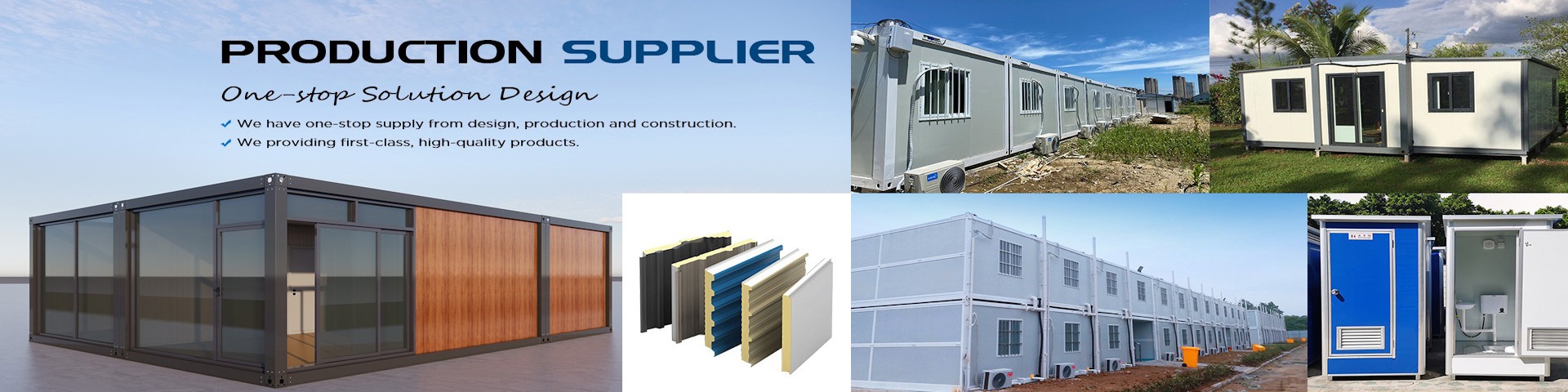
Нужен дом без фундамента узнайте про контейнерный дом для вас
2025-12-20
В современном мире, где время и ресурсы становятся все более ценными, многие люди ищут альтернативные способы строительства жилья. Один из таких инновационных подходов — использование контейнерных домов. Эти конструкции, созданные из морских контейнеров, предлагают уникальные преимущества, включая возможность строительства без традиционного фундамента. В этой статье мы подробно рассмотрим, что такое контейнерный дом, его преимущества, процесс строительства, стоимость, экологические аспекты и многое другое. Если вы ищете быстрое, экономичное и современное решение для жилья, этот материал для вас.
Что такое контейнерный дом?
Контейнерный дом — это жилое или коммерческое здание, построенное из одного или нескольких морских контейнеров. Эти контейнеры, обычно изготовленные из прочной стали, предназначены для перевозки грузов по морю, но их прочность и модульная природа делают их идеальными для строительства. Контейнерные дома могут быть одноэтажными или многоэтажными, в зависимости от количества используемых контейнеров и дизайна.
История контейнерных домов началась в конце 20 века, когда архитекторы и строители начали экспериментировать с использованием промышленных материалов для создания affordable housing. Сегодня они популярны во всем мире, особенно в странах с высокой стоимостью традиционного строительства, таких как США, Европа и Россия. Контейнерные дома не только практичны, но и могут быть стильными и комфортабельными, с современным дизайном, который включает большие окна, открытые планировки и энергоэффективные системы.

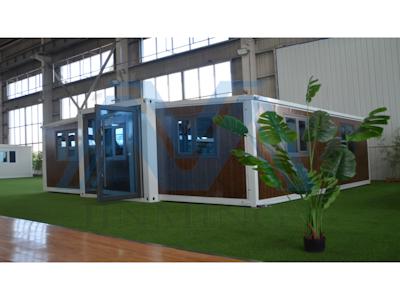
Изображение: Типичный контейнерный дом с современным дизайном.
Ключевые характеристики контейнерных домов включают модульность — они легко комбинируются и расширяются, прочность — стальная конструкция выдерживает harsh weather conditions, и портативность — при необходимости дом можно переместить. Это делает их отличным выбором для временного или постоянного жилья, а также для проектов в удаленных или труднодоступных районах.
Преимущества контейнерных домов
Контейнерные дома предлагают множество преимуществ по сравнению с традиционным строительством. Вот некоторые из них:
- Экономичность: Строительство из контейнеров обычно дешевле, чем из традиционных материалов. Контейнеры можно приобрести б/у, что further reduces costs. Средняя стоимость контейнерного дома на 30-50% ниже, чем у аналогичного дома из кирпича или дерева.
- Скорость строительства: Поскольку контейнеры уже являются готовыми модулями, сборка дома занимает значительно меньше времени — often weeks instead of months. Это идеально для тех, кто нуждается в быстром решении жилищного вопроса.
- Экологичность: Использование переработанных контейнеров reduces waste and carbon footprint. Additionally, контейнерные дома can be equipped with solar panels, rainwater harvesting systems, and other green technologies.
- Гибкость и адаптивность: Контейнеры можно easily modify — add windows, doors, insulation, and interior partitions. They can be stacked or arranged in various configurations to create unique designs.
- Прочность и долговечность: Морские контейнеры designed to withstand extreme conditions, making them resistant to fire, wind, and even earthquakes. With proper maintenance, они can last for decades.
- Минимальная need for фундамент: One of the biggest advantages — контейнерные дома often require only a simple foundation or even no foundation at all, depending on the soil conditions and design. This saves time and money on excavation and concrete work.
Эти преимущества делают контейнерные дома attractive option for individuals, families, and even businesses looking for affordable and efficient space solutions.
Почему можно обойтись без фундамента?
Одним из самых intriguing aspects контейнерных домов is the possibility to build without a traditional foundation. But how is this possible? Let's delve into the details.
Традиционные дома require deep foundations to distribute weight and prevent settling. However, контейнеры are inherently strong and rigid due to their steel frame. When placed on a level surface, они can support their own weight and additional loads without sinking. For контейнерные дома, a foundation is often replaced with simpler alternatives:
- Плитный фундамент: A thin concrete slab can be used to provide a flat base. This is quick to install and cost-effective.
- Винтовые сваи: These are metal piles screwed into the ground, offering stability without extensive digging. They are ideal for uneven or soft soil.
- Блоки или cribbing: In some cases, контейнеры can be placed directly on concrete blocks or wooden cribs, especially for temporary setups.
- No foundation at all: For very lightweight or temporary structures, контейнеры might be placed on compacted gravel or soil, but this is less common and requires careful assessment of soil conditions.
Преимущества отсутствия фундамента include reduced construction time, lower costs (saving up to 20% on overall project), and minimal environmental disturbance. However, it's crucial to consult with engineers to ensure stability, especially in areas with poor soil or high wind loads. Soil tests should be conducted to determine the best approach.
Важно: Всегда работайте с профессионалами при проектировании фундамента или его отсутствии. Неправильная установка может привести к проблемам с устойчивостью.
Примеры успешных проектов: В скандинавских странах контейнерные дома often use screw piles for foundation-free construction, allowing them to be built quickly in remote areas. In Russia, similar approaches are gaining popularity for dachas and rural homes.
Процесс строительства контейнерного дома
Строительство контейнерного дома involves several steps, from planning to execution. Here's a general overview:
- Планирование и дизайн: Start with a clear plan. Determine the size, layout, and number of контейнеров needed. Work with an architect to create drawings that include insulation, electrical, and plumbing systems.
- Приобретение контейнеров: Buy new or used контейнеры. Used ones are cheaper but may require more cleaning and modification. Ensure they are in good condition, without major rust or damage.
- Подготовка site: Level the ground and install the chosen foundation alternative (e.g., concrete blocks or screw piles). This step is critical for stability.
- Модификация контейнеров: Cut openings for windows and doors, add insulation (spray foam or panel insulation is common), and install rough plumbing and electrical wiring.
- Сборка: Place the контейнеры on the foundation and secure them together. Weld or bolt them for added strength.
- Отделка интерьера и экстерьера: Add drywall, flooring, painting, and fixtures. For exterior, cladding can be added for aesthetics and additional insulation.
- Подключение utilities: Connect to water, electricity, and sewage systems. Off-grid options like solar power can be integrated.
- Завершение и inspection: Conduct final inspections to ensure everything meets building codes and safety standards.
Временные рамки: Весь процесс can take as little as 4-8 weeks for a simple design, compared to 6-12 months for a traditional house. Costs vary widely but typically range from $20,000 to $100,000 depending on size and features.

Изображение: Этапы модификации и сборки контейнеров.
Советы: Используйте качественные материалы для insulation to prevent condensation and ensure energy efficiency. Consider hiring professionals for complex tasks like welding and electrical work.
Стоимость контейнерного дома
Стоимость является key factor for many people considering a контейнерный дом. Let's break down the expenses.
Основные компоненты стоимости:
- Контейнеры: A used 20-foot container costs around $1,500-$3,000, while a 40-foot one may cost $2,500-$4,500. New containers are more expensive.
- Фундамент: If using a simple foundation like blocks or piles, cost is minimal — $500-$2,000. Traditional foundations can add $5,000-$10,000.
- Модификации: Cutting windows/doors, insulation, and structural reinforcements can cost $5,000-$15,000 depending on complexity.
- Интерьерная отделка: Drywall, flooring, kitchen, bathroom — $10,000-$30,000.
- Utilities: Plumbing, electrical, HVAC — $5,000-$15,000.
- Трудозатраты: If DIY, savings are significant; hiring contractors may add $10,000-$20,000.
Общая стоимость: For a basic small home (e.g., one 40-foot container), total cost might be $20,000-$40,000. For a larger, luxurious home with multiple containers, it can reach $100,000 or more. In comparison, a traditional house of similar size often costs $150,000-$300,000.
Факторы, влияющие на стоимость: Location (labor and material costs vary), design complexity, and whether you use new or used containers. To save money, consider DIY projects and sourcing materials locally.
Пример из реальной жизни: В России, семья построила контейнерный дом за 500,000 рублей (approx. $6,000) using two used containers and DIY labor, saving over 50% compared to a traditional build.
Экологические аспекты
Контейнерные дома are often touted as eco-friendly, but is that true? Let's explore.
Положительные environmental impacts:
- Переработка: Using used containers reduces waste by repurposing materials that might otherwise be scrapped.
- Энергоэффективность: With proper insulation, these homes can be highly energy-efficient, reducing heating and cooling costs. Adding solar panels or green roofs enhances sustainability.
- Минимальное disturbance: Construction with less excavation and foundation work minimizes land disruption and soil erosion.
- Долговечность: Steel is recyclable, and the long lifespan of containers means less frequent rebuilding.
Отрицательные аспекты: Production of new containers involves carbon emissions, and insulation materials (if not eco-friendly) can have environmental costs. However, these are often outweighed by the benefits.
Советы для greener build: Use low-VOC paints, recycled insulation materials, and integrate renewable energy sources. Certifications like LEED can be pursued for added credibility.
Экологичный выбор: Контейнерные дома can be part of a sustainable lifestyle, especially when combined with off-grid systems.
Статистика: According to studies, building with recycled containers can save up to 50% in embodied energy compared to new construction materials.
Проблемы и решения
Как и any building method, контейнерные дома come with challenges. Here's how to address them:
- Изоляция: Steel conducts heat, so poor insulation can lead to condensation and temperature issues. Solution: Use high-quality spray foam insulation and ensure proper ventilation.
- Ржавчина: Containers can rust over time. Solution: Apply protective coatings and regularly inspect for damage.
- Ограничения по space: Standard containers are narrow (8 feet wide). Solution: Combine multiple containers or use creative designs to maximize space.
- Строительные нормы: In some areas, codes may not fully address container homes. Solution: Work with local authorities and hire experienced professionals to ensure compliance.
- Акустика: Steel can echo sound. Solution: Add acoustic insulation and soft furnishings to dampen noise.
Реальные примеры: В США, некоторые municipalities have updated codes to accommodate container homes, making it easier to get permits. In Russia, awareness is growing, but it's still important to check local regulations.
Будущее контейнерных домов
Тенденции указывают на growing popularity контейнерных домов. What does the future hold?
Innovations include:
- Умные технологии: Integration of smart home systems for automation and energy management.
- Расширенные designs: Architects are pushing boundaries with multi-story and artistic designs, making container homes more mainstream.
- Массовое производство: Companies are offering prefabricated container home kits, simplifying the building process.
- Экологичные improvements: Development of better insulation materials and renewable energy integrations.
Прогнозы: By 2030, the global market for container homes is expected to grow significantly, driven by urbanization, affordability crises, and environmental concerns. In Russia, we may see more adoption in suburban and rural areas.

Изображение: Концепт умного контейнерного дома с solar panels.
Возможности для инвесторов: Контейнерные дома can be used for rental properties, vacation homes, or even commercial spaces, offering good returns on investment due to low construction costs.
Заключение
Контейнерные дома представляют собой революционный подход к строительству, combining affordability, speed, and sustainability. With the ability to build without a traditional foundation, они offer a practical solution for modern housing needs. Whether you're looking for a primary residence, a vacation home, or a commercial space, контейнерные дома worth considering. Start by researching local regulations, consulting experts, and exploring design ideas. Embrace the future of housing today!
Для получения дополнительной информации, обратитесь к профессионалам или посетите специализированные websites и forums. Удачи в вашем строительном проекте!
Призыв к действию: Заинтересованы? Свяжитесь с нами для бесплатной консультации по строительству вашего контейнерного дома. Посетите наш сайт example.com для more inspiration and resources.
Предыдущая страница: Экологичные контейнерные дома для горнодобывающих регионов
Следующая страница: ОБЕСПЕЧИТЬ ЖИЛЬЕ ПОСЛЕ БЕДСТВИЯ КОНТЕЙНЕРНЫЕ ДОМА
Возвращение