
Экологичные контейнерные дома для горнодобывающих регионов
2025-12-20
Горнодобывающие регионы по всему миру сталкиваются с уникальными вызовами: суровые климатические условия, удаленность от крупных городов, и, что наиболее важно, значительное воздействие на окружающую среду. Традиционные методы строительства часто усугубляют эти проблемы, приводя к выбросам углекислого газа, высоким затратам и длительным срокам реализации. Однако, в последние годы появилось инновационное решение – экологичные контейнерные дома. Эти модульные структуры, созданные из переработанных морских контейнеров, предлагают не только экономичную и быструю альтернативу, но и существенно снижают экологический след. В этой статье мы глубоко исследуем, как контейнерные дома могут преобразовать жилищную инфраструктуру в горнодобывающих областях, способствуя устойчивому развитию и улучшая качество жизни местных сообществ.
Введение: Вызовы горнодобывающих регионов и необходимость инноваций
Горнодобывающая промышленность является двигателем экономики многих стран, обеспечивая рабочие места и ресурсы для глобального рынка. Однако, регионы, где эта деятельность сосредоточена, часто страдают от негативных последствий: загрязнение воздуха и воды, деградация почв, и социальные проблемы, такие как неадекватное жилье для работников и их семей. Традиционное строительство в этих условиях сталкивается с множеством препятствий – от логистических сложностей до высоких затрат на материалы и энергию. Кроме того, климатические особенности, такие как экстремальные температуры или сейсмическая активность, требуют особых подходов к проектированию. Именно здесь экологичные контейнерные дома emerge как game-changer, объединяя практичность, устойчивость и инновации.
Что такое экологичные контейнерные дома?
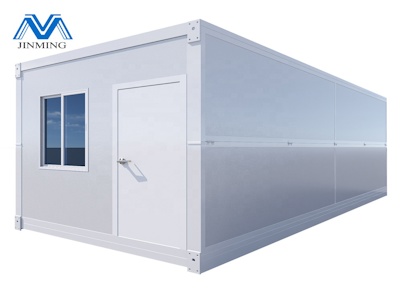
Экологичные контейнерные дома – это жилые или коммерческие здания, constructed из морских контейнеров, которые были модифицированы для обеспечения комфорта, энергоэффективности и минимального воздействия на природу. Эти контейнеры, typically изготовленные из стали, designed для withstand harsh conditions during transport, making them ideal for remote mining areas. The process involves retrofitting containers with insulation, windows, doors, and sustainable features such as solar panels, rainwater harvesting systems, and green roofs. Key advantages include:
- Переработка и устойчивость: Использование бывших в употреблении контейнеров reduces waste and conserves resources, aligning with circular economy principles.
- Быстрота строительства: Модульная природа allows for prefabrication off-site, significantly cutting down construction time compared to traditional methods.
- Экономическая эффективность: Lower material and labor costs make these homes affordable, especially in regions with budget constraints.
- Адаптивность: Containers can be stacked or arranged in various configurations to suit different needs, from single-family homes to multi-unit complexes.
For mining regions, this means a scalable solution that can be deployed quickly to accommodate fluctuating workforce sizes or emergency housing needs.
Экологические преимущества для горнодобывающих регионов
Горнодобывающая деятельность often leaves a significant environmental footprint, but container homes can help mitigate this. By repurposing shipping containers, we reduce the demand for new construction materials, which in turn lowers carbon emissions associated with manufacturing. For instance, producing steel for new buildings emits substantial CO2, whereas using existing containers requires only energy for modification. Additionally, these homes can be equipped with green technologies:
- Энергоэффективность: High-quality insulation and energy-efficient appliances minimize heating and cooling needs, crucial in extreme climates common in mining areas.
- Возобновляемая энергия: Integration of solar panels or wind turbines allows these homes to operate off-grid, reducing reliance on fossil fuels.
- Управление водными ресурсами: Systems for rainwater collection and greywater recycling address water scarcity issues, common in arid mining regions.
- Сокращение отходов: The modular design minimizes construction waste, and at end-of-life, containers can be recycled again, promoting a closed-loop system.
This not only helps mining companies meet sustainability goals but also improves the local ecosystem by reducing pollution and resource consumption.
Экономические и социальные выгоды
Beyond environmental benefits, container homes offer substantial economic and social advantages for mining communities. The lower cost of construction means that companies can provide quality housing for employees without straining budgets, potentially leading to better worker retention and productivity. In remote areas, where traditional building materials might be expensive to transport, the portability of containers simplifies logistics. Socially, these homes can enhance community well-being by offering modern, comfortable living spaces that are resistant to harsh conditions. For example, in regions prone to earthquakes, container structures can be engineered for seismic resilience, providing safer habitats. Moreover, the speed of deployment allows for rapid response to housing crises, such as those caused by natural disasters or sudden influxes of workers during mining booms.
Реальные примеры и case studies
To illustrate the potential, consider real-world applications. In Australia's mining regions, companies like BHP and Rio Tinto have experimented with container-based accommodations for fly-in-fly-out workers. These units are not only cost-effective but also designed with amenities like air conditioning and internet connectivity, improving quality of life. In Canada, indigenous communities near mining sites have adopted container homes to address housing shortages sustainably. Another example is in Chile's Atacama Desert, where mining is prevalent; container homes with solar power have been used to create self-sufficient communities. These cases show that with proper design and implementation, container homes can thrive even in the most challenging environments, offering lessons for global adoption.
Технологические инновации и будущие тенденции
The future of container homes in mining regions looks promising with ongoing technological advancements. Smart home integrations, such as IoT devices for energy management and security, can further enhance efficiency. Advances in materials science may lead to even more durable and insulated containers, suited for extreme cold or heat. Additionally, 3D printing and robotic assembly could streamline customization and construction processes. As awareness of climate change grows, regulatory frameworks may incentivize sustainable building practices, pushing more mining companies to adopt container solutions. Looking ahead, we might see entire eco-villages built from containers, complete with shared renewable energy grids and waste management systems, transforming mining regions into models of sustainability.
Заключение: Призыв к действию
Экологичные контейнерные дома представляют собой не просто альтернативу традиционному строительству, а véritable revolution для горнодобывающих регионов. Они сочетают в себе практичность, экономичность и экологическую ответственность, addressing critical challenges while fostering sustainable development. Mining companies, governments, and communities should collaborate to promote the adoption of these innovative solutions. By investing in container homes, we can not only improve living conditions but also contribute to a greener, more resilient future. It's time to embrace this change and build a world where industry and nature coexist harmoniously.
Ключевое сообщение: Контейнерные дома – это smart investment for mining regions, offering a win-win scenario for economy, society, and environment. Let's work together to make sustainable housing a reality everywhere.
Предыдущая страница: Базовые идеи для создания простых контейнерных домов с нуля
Следующая страница: Нужен дом без фундамента узнайте про контейнерный дом для вас
Возвращение