
Легкие контейнерные дома это будущее жилья
2025-12-23
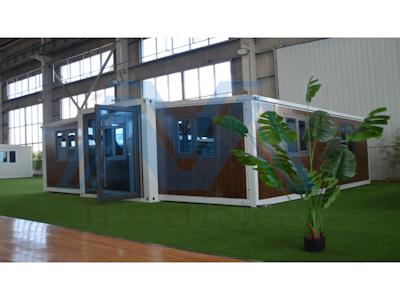
В современном мире, где урбанизация и экологические проблемы становятся все более актуальными, поиск инновационных решений для жилья является критически важным. Одним из таких решений являются легкие контейнерные дома – модульные конструкции, созданные на основе переработанных морских контейнеров. Эта статья представляет собой детальное исследование того, почему контейнерные дома могут стать будущим жилья, рассматривая их преимущества, вызовы и потенциальное влияние на общество и окружающую среду. Мы обсудим историю развития, технологические аспекты, экономические выгоды, устойчивость, а также будущие тенденции в этой области.
История и развитие контейнерных домов
Контейнерные дома имеют свои корни в середине 20 века, когда морские контейнеры стали стандартом для международной торговли. Первоначально использовавшиеся исключительно для транспортировки грузов, эти стальные конструкции постепенно нашли применение в архитектуре благодаря своей прочности, модульности и доступности. В 1960-х годах появились первые эксперименты по преобразованию контейнеров в жилые пространства, но настоящий бум начался в 2000-х годах с ростом интереса к устойчивому развитию и доступному жилью. Такие проекты, как Container City в Лондоне, продемонстрировали потенциал контейнерных домов для создания современных, функциональных сообществ. Сегодня, с развитием технологий и усилением экологической осведомленности, контейнерные дома эволюционировали от простых переоборудований до сложных, энергоэффективных структур, интегрирующих умные технологии и экологичные материалы. Эта эволюция отражает более широкий сдвиг в строительной индустрии в сторону модульности и устойчивости, где контейнерные дома играют ключевую роль как катализатор изменений.
Преимущества контейнерных домов
Контейнерные дома предлагают множество преимуществ по сравнению с традиционным строительством. Во-первых, они чрезвычайно доступны по цене: стоимость базового контейнера может составлять всего несколько тысяч долларов, а общие затраты на строительство часто на 20-50% ниже, чем у conventional домов, благодаря использованию готовых модулей и сокращению времени на строительство. Во-вторых, они очень гибки и адаптируемы – модульная природа позволяет легко добавлять, удалять или изменять компоненты, что идеально подходит для растущих семей или changing потребностей. В-третьих, контейнерные дома являются устойчивыми: они способствуют переработке материалов (используя существующие контейнеры, которые в противном случае могли бы стать отходами), снижают углеродный след за счет меньшего использования ресурсов, и могут быть спроектированы для максимальной энергоэффективности с изоляцией, солнечными панелями и системами сбора воды. Кроме того, их быстрая сборка – некоторые проекты могут быть завершены за недели вместо месяцев – уменьшает disruption для окружающей среды и сообществ. Эти преимущества делают контейнерные дома привлекательными не только для индивидуальных homeовладельцев, но и для крупномасштабных проектов, таких как социальное жилье, временное размещение после катастроф, или даже коммерческие пространства, демонстрируя их универсальность и потенциал для решения глобальных жилищных кризисов.
Технологические инновации в контейнерном строительстве
Технологический прогресс сыграл pivotal роль в превращении контейнерных домов из niche концепции в mainstream option. Ключевые инновации включают улучшенные материалы для изоляции и отделки, которые обеспечивают комфорт и долговечность, сравнимые с traditional домами. Например, современные изоляционные материалы, такие как spray foam или панели из переработанных материалов, помогают поддерживать температуру и reduce энергопотребление. Кроме того, интеграция умных home технологий – таких как автоматизированные системы управления освещением, отоплением и безопасностью – позволяет жильцам контролировать свои дома удаленно, повышая удобство и эффективность. 3D печать и robotic сборка也开始 применяться для создания custom компонентов, further ускоряя процесс строительства и reducing costs. Software для проектирования,如 BIM (Building Information Modeling), enables точное планирование и визуализацию, minimizing ошибки и optimizing использование пространства. Эти технологии не только делают контейнерные дома более practical и comfortable, но и открывают возможности для масштабирования и customization, allowing архитекторам и строителям создавать уникальные, high-performance structures that meet diverse needs. As technology continues to advance, we can expect even greater integration of AI, IoT, and sustainable practices, making container homes a forefront of innovation in the housing sector.
Экологическая устойчивость и влияние
Экологическая устойчивость является одним из самых compelling аргументов в пользу контейнерных домов. By reusing existing containers, these homes significantly reduce the demand for new construction materials, such as steel and concrete, which are resource-intensive and contribute to carbon emissions. A typical shipping container can be repurposed with minimal processing, saving up to 90% of the energy required to produce new steel. Additionally, container homes often incorporate green building practices, such as using recycled or sustainable materials for interiors, installing energy-efficient windows and doors, and integrating renewable energy sources like solar panels or wind turbines. Water conservation is another key aspect, with systems for rainwater harvesting and greywater recycling becoming common features. The modular design also allows for better site adaptation, minimizing land disturbance and preserving natural habitats. Moreover, the portability of container homes means they can be relocated with less environmental impact compared to permanent structures. However, challenges remain, such as the need for proper insulation to prevent heat loss and the potential for toxic materials in older containers, but these are addressable through careful design and regulation. Overall, container homes represent a step towards a circular economy in construction, where waste is minimized, and resources are used efficiently, aligning with global sustainability goals like the UN's Sustainable Development Goals and helping to combat climate change by reducing the built environment's carbon footprint.
Экономические аспекты и доступность
С экономической точки зрения, контейнерные дома предлагают значительные выгоды, делая жилье более доступным для широких слоев населения. Initial costs are lower due to the use of prefabricated modules, which reduce labor and material expenses. For instance, a basic container home can cost as little as $10,000 to $50,000, depending on size and features, compared to $200,000 or more for a traditional house. This affordability is particularly important in regions with housing shortages or high real estate prices, such as urban areas or developing countries. Additionally, the speed of construction means faster return on investment for developers and quicker occupancy for owners, reducing financing costs and homelessness. Maintenance costs are also often lower, as steel structures are durable and resistant to pests and weather damage. From a macroeconomic perspective, the container home industry can stimulate job creation in manufacturing, design, and construction sectors, while promoting local economies through the use of regional materials and labor. However, there are economic challenges, such as the need for financing options tailored to non-traditional homes and potential issues with insurance and resale value due to perceptions. Despite this, as the market grows and standards improve, container homes are becoming more accepted, with some governments offering incentives or subsidies for sustainable building practices. This economic accessibility, combined with environmental benefits, positions container homes as a viable solution for addressing global housing inequities and promoting inclusive growth.
Социальные и культурные аспекты
Контейнерные дома также оказывают profound влияние на социальные и культурные dynamics. Они могут foster сообщества through innovative designs that encourage interaction, such as shared spaces in container villages or co-housing projects. For example, projects like the Tempohousing in Amsterdam provide affordable housing for students and young professionals, creating vibrant, diverse neighborhoods. In disaster-prone areas, container homes offer quick and durable shelter, helping to rebuild communities and provide stability. Culturally, they challenge traditional notions of home and architecture, promoting creativity and adaptability. Many container homes are designed with aesthetics in mind, using colors, textures, and layouts that reflect local cultures or modern trends, making them not just functional but also visually appealing. However, there can be social stigmas or resistance due to associations with temporary or low-quality housing, which education and high-quality examples can overcome. Additionally, container homes can empower individuals by providing DIY opportunities or enabling homeownership for those who might not afford it otherwise. As societies become more mobile and environmentally conscious, the flexibility and sustainability of container homes align with changing lifestyles, potentially leading to a shift in how we perceive and value living spaces. This social dimension highlights the role of container homes in not only solving practical problems but also enriching human experiences and fostering a sense of belonging and innovation.
Вызовы и ограничения
Несмотря на многочисленные преимущества, контейнерные дома сталкиваются с several вызовами и ограничениями, которые необходимо address для wider adoption. One major challenge is regulatory hurdles: building codes and zoning laws in many regions are not designed for container homes, leading to difficulties in obtaining permits or meeting safety standards. For instance, issues like structural integrity, insulation requirements, and fire safety must be carefully managed through engineering and compliance. Another limitation is the perception of container homes as inferior or temporary, which can affect resale value and social acceptance. Technically, modifications such as cutting openings for windows and doors can weaken the structure if not done properly, requiring expert design. Environmental concerns include the potential for toxic paints or treatments in older containers, necessitating thorough cleaning and testing. Additionally, while containers are durable, they can be prone to corrosion in humid climates without proper maintenance. Space constraints can also be a issue, as standard containers are relatively narrow, though this can be mitigated through creative design and stacking. Cost savings may be offset by expenses for insulation, utilities, and foundations, especially in extreme climates. However, these challenges are not insurmountable; with advancing technologies, better regulations, and increased awareness, the industry is evolving to overcome these barriers. Education and demonstration projects play a key role in showing that container homes can be safe, comfortable, and sustainable, paving the way for their integration into mainstream housing markets.
Будущие тенденции и перспективы
Будущее контейнерных домов выглядит promising, с несколькими ключевыми тенденциями, shaping их evolution. One trend is the increased integration of smart home technologies and IoT, allowing for fully automated, energy-efficient living environments that adapt to residents' needs. Another is the rise of modular and off-site construction, where entire homes are fabricated in factories and assembled on-site, reducing waste and improving quality control. Sustainable practices will continue to advance, with more use of bio-based materials, zero-energy designs, and circular economy principles, making container homes even greener. Urbanization will drive demand for compact, affordable housing in cities, where container homes can be stacked or used for infill development. Additionally, we may see more hybrid approaches that combine containers with other materials like wood or concrete for enhanced aesthetics and performance. Government policies and incentives for green building are likely to support growth, as seen in countries like the Netherlands and Canada, where container homes are gaining traction. The COVID-19 pandemic has also highlighted the need for flexible and resilient housing, further boosting interest. In the long term, container homes could become a standard option for various applications, from single-family homes to large-scale communities, contributing to solutions for homelessness, climate adaptation, and sustainable urban development. As innovation continues, we might even see concepts like floating container homes or space habitats inspired by this modular approach. Ultimately, the future of container homes is bright, with potential to revolutionize the housing industry and create a more sustainable, equitable world.
Заключение
В заключение, легкие контейнерные дома представляют собой innovative и sustainable решение для будущего жилья, offering многочисленные преимущества в terms доступности, гибкости, и экологической ответственности. Несмотря на вызовы, такие как regulatory barriers и perceptual issues, ongoing технологические advancements и growing awareness are driving their adoption. От individual homes к large-scale проектам, контейнерные дома демонстрируют потенциал для transformation жилищного сектора, aligning с global trends towards urbanization, sustainability, и inclusivity. By embracing this approach, мы can address critical issues like housing shortages, climate change, и resource scarcity, while fostering creativity и community. Как общество, мы должны поддерживать research, innovation, и policy changes чтобы unlock полный потенциал контейнерных домов и ensure что они become integral part нашего built environment. Будущее жилья может быть modular, adaptable, и green – и контейнерные дома находятся в авангарде этого движения.
Предыдущая страница: Превращаем грузовые контейнеры в современные сельские дома
Следующая страница: Сколько стоит строительство контейнерного дома в горной зоне
Возвращение