

Превращаем грузовые контейнеры в современные сельские дома
2025-12-23
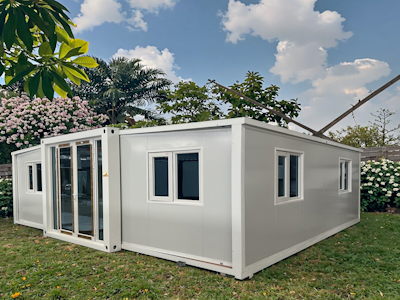
В современном мире, где устойчивое развитие и экономическая эффективность становятся ключевыми приоритетами, использование грузовых контейнеров для строительства сельских домов представляет собой инновационное и практическое решение. Эта статья предлагает глубокий анализ того, как перепрофилирование контейнеров может трансформировать сельские ландшафты, обеспечивая доступное, экологичное и современное жилье. Мы рассмотрим исторический контекст, технологические аспекты, экономические выгоды, экологические преимущества, а также практические шаги для реализации таких проектов.
Введение: Почему грузовые контейнеры?
Грузовые контейнеры, изначально предназначенные для транспортировки товаров по морю, железной дороге и автомобильным путям, обладают уникальными характеристиками, делающими их идеальными для строительства. Их прочная стальная конструкция, стандартизированные размеры и доступность на рынке делают их привлекательным материалом для создания жилых пространств. В сельских регионах, где традиционное строительство может быть дорогим и медленным, контейнерные дома предлагают быстрое, дешевое и гибкое решение.
Сельская местность часто сталкивается с проблемами депопуляции, недостатка инфраструктуры и высоких затрат на жилье. Использование контейнеров может помочь revitalize эти области, предоставляя современное жилье, которое интегрируется в природное окружение. Кроме того, этот подход поддерживает глобальные тенденции устойчивого развития, такие как сокращение отходов и использование переработанных материалов.
В этой статье мы углубимся в детали того, как превратить грузовые контейнеры в функциональные и эстетичные сельские дома. Мы обсудим проектирование, строительство, изоляцию, внутреннюю отделку, юридические аспекты и многое другое. Цель — предоставить читателю исчерпывающее руководство, которое может быть использовано для планирования и реализации собственных проектов.
Исторический контекст и современные тенденции
Идея использования контейнеров для жилья не нова; она зародилась в середине 20 века с ростом интермодальных перевозок. Однако массовое признание пришло только в последние десятилетия, благодаря архитекторам и энтузиастам, которые увидели потенциал в этих структурах. В 2000-х годах проекты, такие как Container City в Лондоне, продемонстрировали, что контейнеры могут быть преобразованы в комфортабельные жилые и офисные пространства.
В сельской местности эта тенденция набирает обороты, особенно в регионах с ограниченными ресурсами. Например, в России и других странах СНГ все больше людей обращаются к контейнерным домам как к способу обойти высокие затраты на традиционное строительство. Современные тенденции включают интеграцию smart home технологий, использование солнечной энергии и дизайн, ориентированный на гармонию с природой.
Сравнение с традиционными методами строительства показывает, что контейнерные дома могут быть построены на 30-50% быстрее и на 20-40% дешевле. Это делает их особенно appealing для сельских communities, где бюджет often ограничен. Кроме того, модульная природа контейнеров позволяет легко расширять или модифицировать дома по мере изменения потребностей семьи.
Преимущества контейнерных домов для сельской местности
Экономическая эффективность
Одним из главных преимуществ является значительная экономия costs. Грузовые контейнеры are относительно inexpensive, особенно если购买 бывшие в употреблении units. Средняя стоимость used container составляет от 1000 до 3000 долларов, в то время как новое строительство similar size может обойтись в десятки тысяч. Это позволяет сельским жителям allocate resources на другие важные аспекты, such as земля, инфраструктура или внутренняя отделка.
Кроме того, строительство из контейнеров требует меньше labor и materials compared to traditional methods. Например, фундамент can be simplified, а монтаж often занимает всего несколько недель. Это reduces overall project timeline and minimizes disruptions to daily life in rural areas.
Долгосрочная экономия также substantial. Контейнеры durable и require minimal maintenance, especially when properly treated for rust and insulation. Это means lower utility bills and repair costs over time, making them a smart investment for rural homeowners.
Экологичность и устойчивость
Использование переработанных контейнеров contributes to waste reduction and resource conservation. Each container repurposed saves approximately 3500 kg of steel from being melted down, which reduces energy consumption and carbon emissions associated with manufacturing new materials.
Контейнерные дома can be designed to be highly energy-efficient. With proper insulation, solar panels, and rainwater harvesting systems, they can achieve net-zero energy consumption. This aligns with global sustainability goals and helps rural communities reduce their environmental footprint.
In rural settings, these homes can blend seamlessly into natural landscapes, using local materials for finishes and landscaping to enhance biodiversity. For instance, green roofs or native plant gardens can be incorporated to promote ecological balance.
Гибкость и адаптивность
Модульная природа контейнеров allows for endless design possibilities. Они могут быть stacked, arranged, or combined to create custom layouts tailored to specific needs. This is particularly useful in rural areas, where families might need extra space for agriculture, storage, or hospitality.
Контейнерные дома can be easily relocated if necessary, making them ideal for temporary or mobile living situations. This flexibility is valuable in regions prone to economic changes or natural disasters, as it provides a resilient housing solution.
Технологии, such as 3D modeling and prefabrication, enable precise planning and quick assembly. This reduces on-site construction time and minimizes errors, ensuring a high-quality outcome even in remote locations with limited access to skilled labor.
Технологические аспекты строительства
Выбор и подготовка контейнеров
Первым шагом является selection of suitable containers. Стандартные sizes include 20-foot and 40-foot units, with heights of 8.5 feet or 9.5 feet. It's crucial to inspect containers for damage, rust, and structural integrity. Used containers are cost-effective but may require more preparation, such as sandblasting and painting to remove contaminants and prevent corrosion.
Подготовка involves cutting openings for windows and doors, which must be done carefully to maintain structural strength. Reinforcement with steel beams may be necessary for large openings or multi-story designs. This phase requires professional expertise to ensure safety and compliance with building codes.
После подготовки, контейнеры treated with anti-corrosion coatings and insulation materials. Common insulation options include spray foam, rigid boards, or natural materials like wool, which help regulate temperature and reduce energy costs in rural climates with extreme weather conditions.
Фундамент и монтаж
Фундамент for container homes can be simpler than for traditional houses. Options include concrete slabs, piers, or helical piles, depending on soil conditions and local regulations. In rural areas, where ground may be uneven, adjustable foundations offer flexibility and stability.
Монтаж контейнеров typically involves cranes or heavy machinery to position them on the foundation. This process is quick but requires careful planning to avoid accidents. Once in place, containers are welded or bolted together to form a cohesive structure.
Для multi-container designs, connections must be sealed to prevent water ingress and ensure structural integrity. This includes using gaskets, sealants, and additional framing if needed. Proper alignment is essential to avoid issues with doors, windows, and interior spaces.
Изоляция и климат-контроль
Изоляция is critical for comfort and energy efficiency. Steel containers conduct heat easily, so inadequate insulation can lead to extreme temperatures inside. Spray foam insulation is popular because it provides a continuous barrier and adds structural strength. Other options include fiberglass or recycled materials, which are eco-friendly.
В сельской местности, где доступ к energy grids may be limited, passive design strategies can be employed. For example, orienting windows to maximize natural light and ventilation, or using thermal mass materials to stabilize indoor temperatures. This reduces reliance on heating and cooling systems.
Для полного климат-контроля, системы отопления и охлаждения can be integrated. Energy-efficient options like heat pumps, solar heaters, or wood stoves are ideal for rural homes. Additionally, smart thermostats can optimize energy use based on occupancy and weather conditions.
Дизайн интерьера и экстерьера
Внутренняя планировка
Дизайн интерьера контейнерных домов focuses on maximizing space and functionality. Open-plan layouts are common, with multi-functional furniture and built-in storage to avoid clutter. For rural homes, considerations might include spaces for home offices, workshops, or agricultural storage.
Materials for interior finishes should be chosen for durability and aesthetics. Recycled wood, bamboo, or local stones can create a warm, natural feel that complements rural surroundings. Lighting design is also important; large windows and skylights can make small spaces feel larger and brighter.
Чтобы overcome the narrow width of containers, creative solutions like lofts or mezzanines can add extra living areas. This is particularly useful for families or those needing guest rooms. Soundproofing between containers may be necessary in multi-unit designs to ensure privacy.
Внешний вид и интеграция в ландшафт
Экстерьер can be customized to blend with rural environments. Cladding options include wood, metal panels, or even living walls covered with plants. This not only improves aesthetics but also provides additional insulation and environmental benefits.
Landscaping around the home can enhance its integration. Native plants, gardens, and pathways create a seamless transition between the built structure and nature. In agricultural areas, the home might include features like greenhouses or animal shelters connected to the main structure.
Для современного touch, architectural elements like cantilevers, large overhangs, or innovative roof designs can be added. These not only improve visual appeal but also functional aspects, such as shading or rainwater collection.
Экологические и социальные аспекты
Сокращение углеродного следа
Контейнерные дома significantly reduce the carbon footprint compared to new construction. By repurposing steel, they save energy equivalent to powering a home for years. Additionally, on-site renewable energy systems can make them carbon-neutral or even carbon-negative.
In rural communities, this approach promotes environmental awareness and encourages practices like composting, recycling, and water conservation. It can serve as a model for sustainable living, inspiring others to adopt similar methods.
Socially, these homes can address housing shortages in depopulated areas. They provide affordable options for young families, retirees, or artists seeking a rural lifestyle. This can help revitalize communities by attracting new residents and supporting local economies.
Соответствие нормам и стандартам
Важно ensure that container homes meet local building codes and regulations. In many rural areas, codes may be less stringent, but safety standards for structure, insulation, and utilities must be adhered to. Consulting with architects and engineers is essential to avoid legal issues.
Certifications like LEED or Passive House can be pursued to validate the sustainability of the project. This not only ensures quality but may also qualify for grants or incentives aimed at green building practices.
Community engagement is key. Involving local residents in the planning process can foster acceptance and support. Educational workshops or open houses can demonstrate the benefits and dispel myths about container homes being inferior or temporary.
Практические шаги для реализации проекта
Планирование и бюджет
Начните с thorough planning. Define your needs, budget, and timeline. Research local suppliers for containers and materials. A typical budget for a small container home in a rural area might range from $20,000 to $50,000, including land preparation, but costs can vary widely based on location and design complexity.
Создайте detailed design with the help of professionals. Use software or hire an architect to visualize the layout and identify potential challenges. Obtain necessary permits from local authorities early in the process to avoid delays.
Consider financing options. In some regions, loans or grants are available for sustainable housing projects. Crowdfunding or community partnerships might also be viable for larger initiatives aimed at rural development.
Строительство и отделка
Нанять experienced contractors familiar with container construction. If DIY is chosen, ensure you have the skills and tools for tasks like welding and insulation. Safety should always be a priority, especially when working with heavy materials.
Поэтапное construction allows for adjustments as needed. Start with site preparation and foundation, then move to container placement and modification. Finish with interior and exterior work, ensuring all systems (electrical, plumbing) are properly installed and tested.
После завершения, conduct inspections to ensure everything meets standards. Regular maintenance, such as checking for rust or insulation issues, will prolong the life of the home. Share your experience with others to promote the concept in rural communities.
Заключение: Будущее сельского жилья
Превращение грузовых контейнеров в современные сельские дома offers a promising path toward affordable, sustainable, and adaptable living. This approach not only addresses practical housing needs but also aligns with global trends in recycling and innovation. As technology advances and awareness grows, we can expect to see more such projects transforming rural landscapes worldwide.
By embracing this method, rural communities can overcome challenges like high costs and limited resources, creating vibrant, resilient spaces for future generations. Whether for personal use or community development, container homes represent a smart investment in a greener, more efficient future.
Мы encourage readers to explore this opportunity, consult experts, and take the first steps toward building their own container home. Together, we can turn discarded shipping containers into beautiful, functional homes that enrich rural life.
Предыдущая страница: Высокопрочные контейнерные дома ваша крепость на века
Следующая страница: Легкие контейнерные дома это будущее жилья
Возвращение