
Экологичные контейнерные убежища спасение будущего планеты
2025-12-30
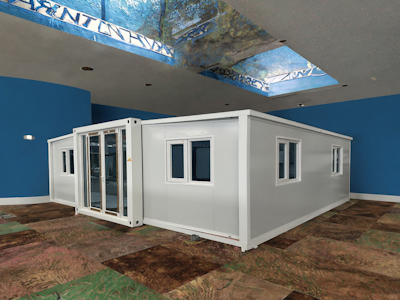
В современном мире, где экологические проблемы становятся все более острыми, поиск устойчивых решений для жилья и инфраструктуры является критически важным. Одним из таких инновационных подходов являются экологичные контейнерные убежища – не просто временное пристанище, а полноценное, энергоэффективное и экологически чистое жилье, которое может кардинально изменить наше отношение к строительству и спасению планеты. В этой статье мы глубоко погрузимся в тему, исследуя преимущества, технологии, и реальные примеры использования контейнерных убежищ, и докажем, что они – ключ к устойчивому будущему.
Введение: почему контейнерные убежища?
Контейнерные убежища, созданные из переработанных морских контейнеров, представляют собой блестящий пример того, как инновации и экология могут идти рука об руку. Эти структуры не только уменьшают количество отходов, но и предлагают быстрое, модульное и доступное решение для жилья, особенно в условиях растущего населения и климатических кризисов. По данным ООН, к 2050 году более 70% мирового населения будет жить в городах, что увеличит нагрузку на ресурсы и усугубит экологические проблемы. Контейнерные убежища могут стать ответом на этот вызов, сочетая в себе практичность, устойчивость и эстетику.
Ключевая идея: переработка контейнеров не только спасает их от свалки, но и создает прочные, долговечные жилые пространства, которые могут быть адаптированы для различных нужд – от временного жилья для беженцев до постоянных домов в урбанизированных районах.
Преимущества экологичных контейнерных убежищ
Экологичные контейнерные убежища обладают множеством преимуществ, которые делают их идеальным выбором для будущего. Во-первых, они значительно сокращают углеродный след. Производство нового строительного материала, такого как сталь или бетон, требует огромныхamounts энергии и ресурсов. Используя переработанные контейнеры, мы экономим до 80% энергии, которая понадобилась бы для производства эквивалентного количества стали. Кроме того, контейнеры уже являются прочными и weather-resistant структурами, что уменьшает необходимость в дополнительных материалах и усилиях при строительстве.
Во-вторых, модульность контейнеров позволяет легко масштабировать и customizing жилые пространства. Они могут быть stacked, combined, or modified to create anything from single-family homes to multi-story apartment complexes. This flexibility is crucial in emergency situations, such as natural disasters, where quick deployment of shelter is needed. For example, after the earthquake in Haiti, container-based shelters were used to provide immediate housing for victims, demonstrating their practicality and efficiency.
В-третьих, энергоэффективность is a major plus. Контейнерные убежища can be equipped with solar panels, insulation, and other green technologies to minimize energy consumption. Many designs incorporate passive solar heating, rainwater harvesting, and natural ventilation, reducing reliance on external resources and lowering utility costs. This not only benefits the environment but also makes living more affordable for residents.

Изображение: современное контейнерное убежище с солнечными панелями и зеленой крышей.
Наконец, экономическая выгода cannot be overlooked. Контейнерные убежища are often more affordable than traditional construction due to lower material costs and faster build times. This makes them accessible to a wider range of people, including those in developing countries or low-income communities. By promoting such solutions, we can address housing shortages while advancing sustainability goals.
Технологии и инновации в контейнерных убежищах
Развитие технологий сыграло ключевую роль в превращении простых контейнеров в sophisticated жилые пространства. Современные контейнерные убежища incorporate advanced materials and systems to enhance comfort, safety, and environmental performance. For instance, использование изоляционных материалов, such as spray foam or recycled denim, helps maintain indoor temperatures, reducing the need for heating and cooling. This is particularly important in extreme climates, where energy efficiency can make a significant difference.
Additionally, smart home technologies are being integrated into container shelters. Sensors for monitoring air quality, temperature, and energy usage allow residents to optimize their living conditions and reduce waste. Some designs even include automated systems for water recycling and waste management, further minimizing environmental impact. These innovations not only make life easier but also contribute to a greener lifestyle.
Another exciting trend is the use of biophilic design, which incorporates natural elements into the built environment. For example, green roofs or walls can be added to container shelters, providing insulation, improving air quality, and creating a connection to nature. This approach has been shown to enhance mental well-being and productivity, making container homes not just sustainable but also healthy places to live.
"Контейнерные убежища – это не просто временное решение; они представляют собой paradigm shift в том, как мы думаем о жилье и устойчивости." – Доктор Елена Петрова, эксперт по экологическому строительству.
Moreover, the use of 3D printing and prefabrication techniques has streamlined the construction process. Components can be manufactured off-site and assembled quickly on location, reducing construction waste and disruption. This is especially valuable in urban areas where space is limited and time is of the essence. By embracing these technologies, container shelters are becoming more efficient and accessible than ever before.
Реальные примеры и case studies
Чтобы illustrate the potential of container shelters, let's look at some real-world examples. In Amsterdam, the Keetwonen project is one of the largest container-based student housing complexes in the world. It provides affordable and comfortable accommodation for over 1,000 students, demonstrating how container shelters can be scaled up for community use. The project has been praised for its sustainability, with features like energy-efficient lighting and waste reduction systems.
In disaster-prone regions, such as the Philippines, container shelters have been used to provide resilient housing after typhoons. Organizations like Habitat for Humanity have implemented container-based solutions that are not only quick to deploy but also designed to withstand future disasters. This proactive approach saves lives and reduces long-term costs associated with rebuilding.
Another inspiring example is the use of container shelters in refugee camps. In Jordan, the Azraq refugee camp features container-based homes that offer dignity and safety to displaced families. These shelters are equipped with basic amenities and are designed to be temporary yet comfortable, highlighting the humanitarian aspect of this technology.

Изображение: контейнерные дома в лагере беженцев, обеспечивающие безопасное жилье.
These case studies show that container shelters are versatile and effective in various contexts. They prove that sustainability and practicality can go hand in hand, offering hope for a better future.
Вызовы и как их преодолеть
Несмотря на многочисленные преимущества, контейнерные убежища face several challenges. One common concern is the perception of containers as cold or impersonal spaces. However, with thoughtful design and customization, this can be overcome. Interior finishes, windows, and landscaping can transform a container into a warm and inviting home. Education and awareness campaigns are also crucial to change public attitudes and promote acceptance.
Another challenge is regulatory hurdles. Building codes and zoning laws in many regions are not designed for container-based construction, which can lead to delays or rejections. Advocating for updated regulations and working with local authorities is essential to integrate container shelters into mainstream housing options. Organizations like the International Container Homes Association are leading efforts to standardize and promote best practices.
Additionally, there are logistical issues, such as transportation and site preparation. Containers are heavy and require specialized equipment to move and place. However, with proper planning and partnerships, these obstacles can be managed. For example, partnering with logistics companies can reduce costs and streamline the process.
Решение: collaboration between governments, NGOs, and private sectors is key to addressing these challenges. By sharing knowledge and resources, we can create an enabling environment for container shelters to thrive.
Lastly, there is the issue of initial costs. While container shelters are often cheaper in the long run, the upfront investment can be a barrier for some. Financing options, grants, and subsidies can help make them more accessible. Highlighting the long-term savings on energy and maintenance can also persuade investors and homeowners to choose this sustainable option.
Будущее контейнерных убежищ и их роль в спасении планеты
Looking ahead, the future of container shelters is bright. As technology advances and awareness grows, we can expect to see even more innovative designs and applications. For instance, the integration of renewable energy sources, such as wind turbines or geothermal systems, could make container homes fully self-sufficient. This would not only reduce their environmental impact but also empower communities to be more resilient in the face of climate change.
Moreover, the concept of circular economy is central to container shelters. By reusing materials that would otherwise go to waste, we are closing the loop and reducing our reliance on virgin resources. This aligns with global sustainability goals, such as the UN's Sustainable Development Goals, particularly those related to sustainable cities and communities (Goal 11) and responsible consumption and production (Goal 12).
In the broader context, container shelters can play a pivotal role in mitigating urban sprawl and promoting denser, more efficient living. They can be used to revitalize abandoned urban areas or provide affordable housing in high-cost cities. This not only addresses social issues but also reduces the carbon footprint associated with commuting and infrastructure development.
"Инвестируя в экологичные контейнерные убежища, мы инвестируем в будущее наших детей и планеты." – Михаил Иванов, активист устойчивого развития.
Ultimately, container shelters are more than just a trend; they are a testament to human ingenuity and our ability to adapt to changing circumstances. By embracing this solution, we can take significant steps towards a more sustainable and equitable world. The time to act is now – let's build a future where everyone has access to safe, affordable, and green housing.
Заключение
В заключение, экологичные контейнерные убежища представляют собой мощный инструмент для спасения будущего планеты. Ониcombine sustainability, affordability, and innovation in a way that addresses pressing environmental and social challenges. From reducing waste and energy consumption to providing quick and dignified shelter in crises, these structures offer a viable path forward. As we continue to face global issues like climate change and urbanization, it is imperative that we explore and adopt solutions like container shelters. Let's work together to create a greener, more resilient world for generations to come.
Если вы interested in learning more or getting involved, consider supporting organizations that promote sustainable housing or exploring options for your own container home. The future is in our hands – let's make it sustainable!
Предыдущая страница: Почему портативные контейнерные здания становятся модным трендом в строительстве
Следующая страница: Мобильные контейнерные центры спасения жизни в любой точке мира
Возвращение