
Почему портативные контейнерные здания становятся модным трендом в строительстве
2025-12-30
В последние годы портативные контейнерные здания захватывают внимание архитекторов, строителей и широкой общественности, превращаясь в один из самых ярких трендов современного строительства. От небольших жилых домов до масштабных коммерческих проектов, эти конструкции демонстрируют не только практичность, но и инновационный подход к урбанизации и устойчивому развитию. В этой статье мы подробно рассмотрим причины, по которым портативные контейнерные здания становятся модным трендом, анализируя их преимущества, влияние на экологию, экономические аспекты и будущие перспективы.
Введение в мир портативных контейнерных зданий
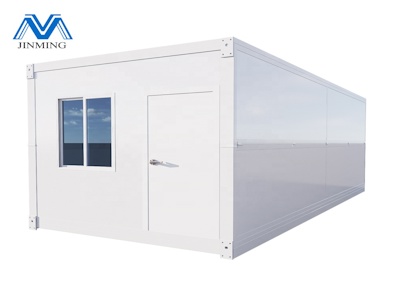
Портативные контейнерные здания, также известные как модульные или контейнерные дома, представляют собой конструкции, созданные из переработанных морских контейнеров. Эти контейнеры, изначально предназначенные для транспортировки грузов, обрели новую жизнь в архитектуре благодаря своей прочности, стандартизированным размерам и легкости модификации. История их использования в строительстве началась несколько десятилетий назад, но настоящий бум пришелся на последние 10-15 лет, когда экологические concerns и потребность в быстром и доступном жилье вышли на первый план.
Современные портативные контейнерные здания – это не просто временные сооружения; они могут быть полноценными домами, офисами, школами, магазинами и даже гостиницами. Их популярность растет экспоненциально: по данным исследований, рынок модульного строительства увеличивается на 5-7% ежегодно, и контейнерные здания составляют значительную часть этого роста. Что же делает их таким привлекательным выбором? Давайте углубимся в детали.
Экономическая эффективность: ключевой драйвер популярности
Одной из главных причин, по которым портативные контейнерные здания становятся модным трендом, является их экономическая эффективность. В сравнении с традиционным строительством, эти конструкции предлагают существенную экономию средств. Во-первых, стоимость материалов значительно ниже: переработанные контейнеры можно приобрести за небольшую цену, часто в 2-3 раза дешевле, чем материалы для классического здания. Например, стандартный 40-футовый контейнер стоит около 2000-5000 долларов, в то время как строительство аналогичного по площади объекта из кирпича или бетона может обойтись в десятки тысяч долларов.
Во-вторых, сокращаются затраты на рабочую силу и время. Модульный характер контейнерных зданий позволяет собирать их на заводе, а затем быстро транспортировать и устанавливать на месте. Это уменьшает сроки строительства на 30-50%, что напрямую влияет на общую стоимость проекта. Для бизнеса это означает быстрее окупаемость инвестиций, а для частных лиц – возможность обзавестись жильем без долгосрочных кредитов. В условиях экономической нестабильности, такой как пандемия COVID-19 или инфляция, эта экономия становится критически важной, подпитывая тренд.
Кроме того, портативные контейнерные здания часто требуют меньше разрешений и согласований со стороны властей, благодаря их временному или мобильному статусу. Это еще один фактор, снижающий бюрократические издержки и ускоряющий реализацию проектов. В итоге, экономическая выгода делает их доступными для широкого круга пользователей – от стартапов до крупных корпораций.
Экологичность и устойчивое развитие: ответ на глобальные вызовы
В эпоху изменения климата и растущего осознания экологических проблем, портативные контейнерные здания emerge как sustainable solution. Их основное преимущество – использование переработанных материалов. Ежегодно миллионы морских контейнеров выводятся из эксплуатации и often end up on scrap heaps, contributing to waste. By repurposing them into buildings, we reduce landfill waste and carbon footprint. Studies show that building with recycled containers can save up to 70% of the energy required for traditional construction, as the steel structure already exists and requires minimal processing.
Moreover, these buildings are highly energy-efficient when properly insulated and designed. With additions like solar panels, green roofs, and rainwater harvesting systems, они могут достичь нулевого энергопотребления или даже производить больше энергии, чем consume. Это aligns with global sustainability goals, such as the UN's Sustainable Development Goals, and appeals to environmentally conscious consumers and investors. Cities around the world are promoting green building practices, and portable container buildings fit perfectly into this narrative, often receiving tax incentives or grants.
Additionally, the modular nature allows for easy disassembly and relocation, reducing the environmental impact of demolition. Unlike traditional buildings, which often generate significant waste when torn down, container buildings can be moved or repurposed with minimal effort. This circular economy approach is a key reason why они становятся модным трендом, especially among millennials and Gen Z, who prioritize sustainability in their lifestyle choices.
Гибкость и адаптивность: meeting diverse needs
Another factor driving the trend is the incredible flexibility and adaptability of portable container buildings. Their standardized sizes (e.g., 20ft or 40ft containers) make them easy to stack, combine, and customize. Architects and designers can create unique structures – from single-family homes to multi-story complexes – by simply attaching containers together. This modularity allows for rapid scaling: a business can start with a small office and expand as needed by adding more containers, without major disruptions.
This adaptability is particularly valuable in urban areas where space is limited. Container buildings can be installed on small plots, rooftops, or even temporary sites, making them ideal for pop-up shops, emergency housing, or mobile clinics. During crises like natural disasters or pandemics, their portability enables quick deployment of essential facilities. For example, in the aftermath of hurricanes, container-based shelters have been used to provide immediate relief, showcasing their practical utility.
Furthermore, the interior of container buildings can be fully customized to suit any purpose. With modern insulation, windows, and amenities, they offer comfort comparable to traditional buildings. This versatility appeals to a wide range of applications: residential, commercial, educational, and recreational. As people seek more personalized and efficient spaces, the ability to tailor container buildings to specific needs makes them a fashionable choice.
Инновации в дизайне и технологиях: pushing boundaries
The rise of portable container buildings is also fueled by innovations in design and technology. Early versions were often criticized for being boxy and uninspiring, but today's designs are sleek, modern, and aesthetically pleasing. Architects are pushing the boundaries, creating stunning structures that challenge perceptions of what container buildings can be. For instance, projects like the Container City in London or the Freitag Store in Zurich demonstrate how creativity can transform industrial materials into iconic architecture.
Technological advancements have played a crucial role. Improved insulation materials, such as spray foam or eco-friendly options, ensure that container buildings are comfortable in all climates. Smart home technologies can be easily integrated, allowing for automated climate control, security, and energy management. Additionally, 3D printing and prefabrication techniques are being used to enhance precision and reduce waste during construction.
These innovations not only improve functionality but also enhance the appeal of container buildings as a trendy, forward-thinking option. They represent a fusion of industrial charm and modern luxury, attracting design enthusiasts and early adopters. Social media and platforms like Pinterest and Instagram have amplified this trend, with countless photos and videos showcasing beautiful container homes, further cementing their status as a fashionable choice in construction.
Социальные и культурные аспекты: changing perceptions
Beyond practical benefits, portable container buildings are gaining traction due to shifting social and cultural perceptions. In the past, they might have been associated with temporary or low-quality housing, but now they are seen as symbols of innovation, minimalism, and sustainability. This change is driven by a growing desire for simpler, more meaningful lifestyles, often encapsulated in movements like tiny house living or minimalism.
Container buildings align with these values by promoting efficiency and reducing clutter. They encourage people to live with less, which can lead to financial freedom and a smaller environmental footprint. This resonates particularly with urban dwellers who are tired of high rents and overcrowded cities. By offering an affordable and mobile alternative, container buildings empower individuals to take control of their living situations.
Culturally, they have become a canvas for self-expression. Artists and communities use them for projects that promote social cohesion, such as community centers or art galleries. In some cases, they are used to address housing crises, providing quick and dignified solutions for homeless populations. This social impact adds a layer of desirability, making them not just a building trend but a movement towards more equitable and conscious living.
Вызовы и ограничения: overcoming obstacles
Despite their many advantages, portable container buildings face challenges that could hinder their widespread adoption. One major issue is insulation and climate control. Steel containers conduct heat easily, making them prone to overheating in summer and losing heat in winter. While modern insulation techniques mitigate this, it requires additional investment and expertise. In extreme climates, this can be a significant drawback.
Regulatory hurdles also exist. Building codes and zoning laws in many regions are not designed for container structures, leading to delays or rejections. For example, some areas require permanent foundations, which contradicts the portable nature of these buildings. Educating authorities and adapting regulations is essential for the trend to flourish.
Additionally, there are concerns about durability and maintenance. Although containers are built to withstand harsh conditions, they can rust over time if not properly treated. Regular maintenance is needed to ensure longevity. Cost can also be a barrier; while generally cheaper, high-end customizations can drive prices up, making them less accessible to some.
However, these challenges are being addressed through innovation and advocacy. As more successful projects emerge, perceptions are changing, and solutions are being developed. For instance, new coatings and treatments are improving durability, and advocacy groups are working to update building codes. Overcoming these obstacles will be key to sustaining the trend.
Будущие перспективы: куда движется тренд
The future of portable container buildings looks promising, with several trends pointing towards continued growth. One direction is the integration of advanced technologies, such as IoT (Internet of Things) for smart buildings that optimize energy use and comfort. We might see container buildings that are entirely off-grid, powered by renewable energy, and equipped with AI-driven systems.
Another area of growth is in affordable housing. With urban populations rising, cities are exploring container-based solutions to address housing shortages. Projects like Quik House in the US or Container Homes in China are pioneers in this space. Governments and NGOs are increasingly supporting such initiatives, recognizing their potential for social good.
Moreover, the trend is expanding beyond Earth – yes, container-like structures are being considered for space habitats due to their modularity and strength. While still speculative, it highlights the limitless possibilities. On Earth, we can expect more hybrid designs that combine containers with other materials, creating even more versatile and beautiful buildings.
As awareness and acceptance grow, portable container buildings are likely to become a mainstream option in construction, not just a niche trend. They embody the principles of the circular economy, innovation, and adaptability that are crucial for the future. By 2030, they could be a standard feature in urban landscapes worldwide.
Заключение: почему этот тренд здесь надолго
В заключение, портативные контейнерные здания становятся модным трендом в строительстве благодаря совокупности факторов: экономической эффективности, экологичности, гибкости, инноваций и changing social values. Они предлагают practical solution to modern challenges like housing affordability, environmental sustainability, and rapid urbanization. While challenges remain, ongoing advancements and growing acceptance suggest that this trend is not just a passing fad but a significant shift in how we think about building and living.
As we move towards a more sustainable and efficient future, portable container buildings represent a smart choice that balances cost, comfort, and conscience. Whether you're an individual looking for a unique home or a business seeking scalable space, они provide an opportunity to be part of a larger movement towards better, smarter construction. So, embrace the trend – it's built to last.
This article has explored the multifaceted reasons behind the rise of portable container buildings, highlighting their benefits and potential. From saving money to saving the planet, они truly are a trend worth watching and adopting.
Предыдущая страница: Инновационные контейнерные укрытия для максимальной безопасности
Следующая страница: Экологичные контейнерные убежища спасение будущего планеты
Возвращение