
Разборные контейнерные дома инновационное жилье для современного мира
2025-12-31
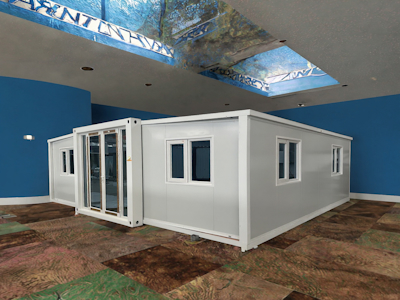
В быстро меняющемся мире, где урбанизация, экологические проблемы и экономические вызовы становятся все более актуальными, традиционные методы строительства часто оказываются недостаточно гибкими и устойчивыми. Разборные контейнерные дома emerge как революционное решение, сочетающее в себе практичность, экологичность и инновационный дизайн. Эти конструкции, созданные из переработанных морских контейнеров, предлагают уникальный подход к жилью, который не только экономичен, но и адаптируется к разнообразным потребностям современного общества. В этой статье мы подробно explore преимущества, applications, и будущее разборных контейнерных домов, демонстрируя, почему они становятся ключевым элементом устойчивого развития и современного образа жизни.
Введение в разборные контейнерные дома
Разборные контейнерные дома, также известные как модульные или контейнерные конструкции, представляют собой здания, собранные из стандартизированных стальных контейнеров, typically используемых в морских перевозках. Эти контейнеры, often изготовленные из прочной кортеновской стали, designed withstand harsh conditions, что делает их идеальными для строительства. История их использования began в mid-20th века, когда контейнеризация revolutionized logistics, но только в recent decades они gained popularity как жилые и коммерческие spaces благодаря их modularity, durability, и cost-effectiveness.
Основное преимущество разборных контейнерных домов lies в их способности быть easily disassembled, transported, и reassembled на новом месте. Это делает их perfect для temporary housing, emergency shelters, или mobile homes. Кроме того, их modular nature allows для бесконечных customization options, от simple single-container units до complex multi-story structures с integrated amenities. В contrast к traditional construction, which often involves lengthy processes и high costs, контейнерные дома can be erected в matter of weeks, significantly reducing time и resources required.
С экологической точки зрения, разборные контейнерные дома offer significant benefits. By reusing existing containers, они reduce waste и minimize the need for new raw materials. Additionally, их design often incorporates energy-efficient features such as insulation, solar panels, и rainwater harvesting systems, further enhancing their sustainability. Это alignment с principles of circular economy и green building делает их attractive option для environmentally conscious consumers и developers.
В социальном контексте, эти дома address pressing issues such as housing shortages и disaster relief. Например, в regions affected by natural disasters, контейнерные дома can be quickly deployed to provide shelter, while в urban areas они offer affordable housing solutions без compromising on quality. Their versatility extends beyond residential use to include offices, schools, retail spaces, и even hotels, demonstrating their broad applicability в modern society.
Despite их growing popularity, разборные контейнерные дома still face challenges, such as perceptions of being inferior to traditional homes или regulatory hurdles. Однако, с advancements in technology и increasing awareness, these barriers are gradually being overcome. В этой статье, мы delve deeper into each aspect, providing a comprehensive overview того, почему разборные контейнерные дома are poised to shape the future of housing.
История и развитие контейнерного строительства
Контейнерное строительство traces its roots к innovation в logistics industry. В 1950-х годах, Malcolm McLean introduced standardized shipping containers, которые transformed global trade by enabling efficient transport of goods. Эти containers, typically measuring 20 или 40 feet в length, were designed to be stackable, durable, и easy to handle. Initially, их primary use was в cargo shipping, но as containers became obsolete due to wear и tear, people began repurposing их для other purposes.
Первые examples of container architecture emerged в 1980-х годах, with pioneers like Phillip C. Clark filing patents for methods of converting containers into buildings. Однако, widespread adoption began только в early 2000s, driven by factors such as rising environmental awareness, economic recessions that encouraged cost-saving measures, и advancements in construction techniques. Projects like Container City в London, completed в 2001, showcased the potential of containers как viable building blocks для creative и functional spaces.
С тех пор, контейнерное строительство has evolved significantly. Modern techniques involve cutting, welding, и insulating containers to create comfortable living environments. Innovations such as foldable containers или containers with built-in utilities have further expanded their possibilities. Today, companies worldwide specialize in designing и building container homes, offering turnkey solutions that cater to diverse needs и budgets.
Развитие также influenced by cultural shifts. В countries like the United States и Europe, container homes are often seen как trendy, minimalist alternatives to conventional housing, while в developing nations они provide practical solutions для affordable housing. The integration of smart technology, such as IoT devices для energy management, has added a layer of modernity, making these homes not just sustainable but also high-tech.
Looking ahead, the future of container construction appears bright. With ongoing research into materials и design, we can expect even more efficient и aesthetically pleasing options. Collaboration between architects, engineers, и environmentalists will likely lead to breakthroughs that enhance durability, reduce costs, и increase accessibility. Таким образом, история контейнерного строительства is one of adaptation и innovation, reflecting humanity's ability to turn industrial waste into valuable assets.
Преимущества разборных контейнерных домов
Разборные контейнерные дома offer a multitude of advantages that make them stand out в contemporary architecture и construction. These benefits span economic, environmental, social, и practical domains, providing a compelling case for their adoption.
Экономическая эффективность
Одним из наиболее significant advantages является cost-effectiveness. Traditional construction often involves high material costs, labor expenses, и lengthy timelines. В contrast, контейнерные дома utilize recycled containers, которые are relatively inexpensive to acquire. Средняя стоимость стандартного used container ranges от $1,500 до $4,500, depending on condition и size, compared to thousands of dollars для equivalent traditional materials. Additionally, modular construction allows for factory-based assembly, reducing on-site labor costs и minimizing delays due to weather или other factors.
Более того, speed of construction translates to earlier occupancy или rental income, enhancing financial returns. Для example, a basic container home can be completed within 2-3 months, whereas a traditional house might take 6-12 months. This efficiency is particularly beneficial для developers и individuals seeking quick housing solutions без sacrificing quality.
Экологичность
С точки зрения sustainability, разборные контейнерные дома excel by promoting resource conservation. Each reused container saves approximately 3,500 kg of steel от being produced anew, reducing energy consumption и carbon emissions associated with manufacturing. Furthermore, their design often incorporates green features such as:
- High-quality insulation для energy efficiency
- Solar panels для renewable energy generation
- Rainwater collection systems для water conservation
- Green roofs или walls для improved air quality и biodiversity
These elements not only minimize environmental impact but also lower utility bills для occupants, creating a win-win scenario. В context of global efforts to combat climate change, container homes represent a practical step towards more sustainable living practices.
Гибкость и адаптивность
Modularity является key feature разборных контейнерных домов. Они can be easily expanded, reduced, или reconfigured to meet changing needs. Для instance, a family might start with a single-container unit и later add more containers как their family grows или financial situation improves. This flexibility is invaluable в dynamic environments где space requirements evolve over time.
Additionally, containers can be transported to remote или difficult-to-access locations, making them ideal для projects in areas with limited infrastructure. Their robustness allows them to withstand extreme conditions, от arid deserts до cold climates, provided proper insulation и modifications are applied.
Прочность и долговечность
Морские контейнеры designed to endure harsh marine environments, including saltwater corrosion, heavy loads, и rough handling. As a result, они boast exceptional durability, with a lifespan of 25-30 years или more when properly maintained. Steel construction provides resistance to pests, fire, и earthquakes, enhancing safety для occupants. With regular upkeep, such as painting и rust prevention, these homes can last decades, offering reliable shelter.
Эстетика и инновационный дизайн
Contrary to misconceptions, контейнерные дома can be highly aesthetic и modern. Architects have embraced the industrial charm of containers, creating sleek, contemporary designs that rival traditional homes. Features like large windows, open floor plans, и innovative layouts transform utilitarian objects into comfortable, inviting spaces. Examples abound worldwide, from minimalist cabins в forests to luxurious urban residences, demonstrating that container homes are limited only by imagination.
In summary, the advantages of разборные контейнерные дома are multifaceted, addressing economic constraints, environmental concerns, и lifestyle preferences. Their combination of affordability, sustainability, flexibility, durability, и design potential makes them a superior choice для modern housing needs.
Применения и примеры использования
Разборные контейнерные дома find applications across various sectors, showcasing their versatility и adaptability. Below, we explore some key areas где они are making a significant impact.
Жилье и резиденции
Наиболее common use является residential housing. From single-family homes to multi-unit apartment complexes, container homes provide affordable и customizable options. Для example, в cities like Amsterdam и New York, container projects have been developed to address housing shortages, offering stylish и efficient living spaces at lower costs. Эти homes often feature modern amenities such as kitchens, bathrooms, и heating systems, ensuring comfort comparable to traditional houses.
В rural или off-grid areas, container homes serve как ideal solutions для those seeking self-sufficient lifestyles. With additions like solar power и water filtration, они enable independence from municipal utilities. Case studies highlight families who have built dream homes из containers, enjoying reduced mortgages и environmental footprints.
Коммерческие и общественные spaces
Beyond housing, containers are used для commercial purposes such as offices, retail stores, cafes, и galleries. Their modular nature allows businesses to create unique, attention-grabbing spaces that can be easily relocated если needed. Например, pop-up shops из containers have become popular в urban centers, providing temporary retail opportunities без long-term leases.
В public sector, container buildings are employed для schools, clinics, community centers, и government facilities. В disaster-prone regions, they act как emergency shelters или medical units, offering quick deployment и resilience. Organizations like UNICEF и Red Cross have utilized container structures в relief efforts, demonstrating their practicality в crises.
Специализированные применения
Containers also find niche applications. В tourism, container hotels или eco-lodges provide adventurous accommodations with minimal environmental impact. Для events, они serve как temporary stages, ticket booths, или exhibition spaces. Even в agriculture, modified containers are used для vertical farming или storage, supporting sustainable food production.
Notable examples include:
- Container City в London: A vibrant complex of offices и studios made from containers, promoting creative workspaces.
- Freitag Flagship Store в Zurich: A retail store built from stacked containers, showcasing innovative design.
- Container Homes в China: Large-scale developments providing affordable housing для thousands.
These examples illustrate the broad potential of разборные контейнерные дома, proving that они are not just a trend but a viable solution для diverse needs.
Технологии и инновации в контейнерном строительстве
The evolution of container construction is driven by technological advancements и innovative practices. These developments enhance functionality, comfort, и sustainability, making container homes even more attractive.
Современные строительные techniques
Key techniques include:
- Cutting и welding: Precision tools allow for custom openings для doors, windows, и utilities, ensuring structural integrity.
- Insulation: Advanced materials like spray foam или panel insulation regulate temperature, preventing condensation и improving energy efficiency.
- Stacking и joining: Engineers use reinforced frames и connectors to securely stack containers, enabling multi-story designs без compromising safety.
Computer-aided design (CAD) software facilitates planning, allowing architects to visualize projects и optimize layouts before construction begins. This reduces errors и waste, contributing to cost savings.
Умные технологии интеграция
Integration of smart home technology is becoming standard. Features include:
- IoT sensors для monitoring energy usage, temperature, и security.
- Automated systems для lighting, heating, и cooling, controlled via smartphones.
- Renewable energy solutions, such as integrated solar panels или wind turbines, often coupled with battery storage для off-grid capability.
These technologies not only enhance convenience but also promote energy conservation, aligning with green building standards.
Материалы и sustainability innovations
Research into new materials aims to improve durability и eco-friendliness. Например, coatings that resist corrosion без harmful chemicals, или composites that enhance insulation. Additionally, concepts like circular design ensure that containers can be recycled again at end-of-life, closing the loop on resource use.
Innovations также extend to transportation methods. Foldable или collapsible containers reduce shipping costs и carbon footprint when relocating homes, making them even more mobile.
Overall, technology is pushing the boundaries of what container homes can achieve, transforming them from basic shelters into sophisticated, sustainable living environments.
Экологические аспекты и устойчивое развитие
Разборные контейнерные houses play a crucial role in promoting environmental sustainability. Their contribution to green building practices is multifaceted и significant.
Сокращение отходов и resource conservation
By reusing shipping containers, these homes divert waste from landfills. Each container repurposed saves resources that would otherwise be used in new construction. According to estimates, building a container home can reduce material waste by up to 30% compared to traditional methods. This aligns with principles of the circular economy, where materials are kept in use for as long as possible.
Энергоэффективность
Properly insulated container homes can achieve high levels of energy efficiency. Strategies include:
- Using double-glazed windows для heat retention.
- Installing energy-efficient HVAC systems.
- Incorporating passive solar design для natural heating и cooling.
Many container homes are designed to meet или exceed green building certifications such as LEED или BREEAM, underscoring their environmental credentials.
Сокращение carbon footprint
The embodied energy in reused containers is lower than in new materials, leading to reduced greenhouse gas emissions. Additionally, local sourcing of containers minimizes transportation emissions. When combined with renewable energy systems, container homes can operate carbon-neutrally, contributing to climate change mitigation.
Biodiversity и land use
Container homes often have a smaller footprint than traditional houses, preserving natural land. Green roofs или walls can be added to promote biodiversity и improve urban ecosystems. В rural settings, они allow for minimal disturbance to the environment, supporting conservation efforts.
In essence, разборные контейнерные дома embody sustainable development by balancing ecological, economic, и social factors. They offer a practical pathway towards reducing humanity's environmental impact while providing quality housing.
Социальные и экономические impacts
The adoption of разборные контейнерные дома has profound implications for society и economy, particularly in addressing global challenges.
Решение housing crises
В many parts of the world, affordable housing is scarce. Container homes provide a low-cost alternative that can be scaled to meet demand. Например, в rapidly urbanizing areas, они offer quick部署 для growing populations, reducing homelessness и improving living standards. Governments и NGOs are increasingly leveraging container construction для social housing projects, demonstrating their potential to foster inclusive communities.
Создание jobs и economic opportunities
The container home industry generates employment in manufacturing, design, construction, и maintenance. Small businesses и startups often thrive in this niche, driving innovation и local economic growth. Additionally, the affordability of these homes frees up household income для other expenses, stimulating broader economic activity.
Культурные и educational benefits
Container buildings can serve как cultural hubs или educational centers, promoting community engagement. Например, container libraries или museums bring services to underserved areas. Their unique design также inspires architectural education и public awareness about sustainable practices.
Overall, the social и economic impacts are positive, contributing to more resilient и equitable societies.
Будущее разборных контейнерных домов
The future of разборные контейнерные дома is bright, with trends pointing towards increased adoption и innovation.
Технологические advancements
Expect further integration of AI и automation in design и construction. 3D printing might be used to create custom components, while augmented reality could aid in visualization. These technologies will make container homes even more efficient и accessible.
Расширение applications
As awareness grows, containers will be used in new contexts, such as floating homes для coastal areas или space-efficient units для megacities. Collaboration between industries will lead to hybrid structures combining containers with other materials.
Политическая поддержка и regulation
Governments are likely to introduce incentives для sustainable construction, including tax breaks или grants для container homes. Building codes will evolve to better accommodate modular designs, reducing regulatory barriers.
In conclusion, разборные контейнерные дома are set to become a mainstream option, driving the transition towards more sustainable и adaptable living environments. Their potential to address global challenges makes them a key component of the future built environment.
Заключение
Разборные контейнерные дома represent a paradigm shift in how we think about housing и construction. Their blend of economy, ecology, flexibility, и innovation offers a compelling solution для the complexities of the modern world. By embracing these structures, we can create a more sustainable, equitable, и resilient future. Whether for personal residence, commercial use, или humanitarian aid, container homes demonstrate that creativity и practicality can go hand in hand. As technology advances и societal attitudes evolve, we anticipate even greater adoption и refinement of this innovative approach to living.
Спасибо за чтение! Если вы заинтересованы в разборных контейнерных домах, свяжитесь с нами для консультации или посетите наш веб-сайт для дополнительной информации.
Предыдущая страница: Инновационные контейнерные аэропорты: будущее мобильности уже здесь
Следующая страница: Современные Контейнерные Терминалы Будущее Логистики Уже Здесь
Возвращение