
Инновационные контейнерные аэропорты: будущее мобильности уже здесь
2025-12-31
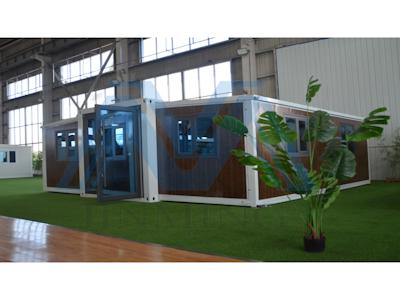
В быстро меняющемся мире, где мобильность и эффективность становятся ключевыми факторами экономического роста, традиционные аэропорты часто сталкиваются с ограничениями в виде высокой стоимости строительства, долгих сроков реализации и жесткой инфраструктуры. Однако на горизонте появилась революционная концепция, которая обещает перевернуть индустрию авиации с ног на голову – контейнерные аэропорты. Эти инновационные структуры, построенные на основе модульных контейнеров, предлагают беспрецедентную гибкость, масштабируемость и устойчивость, делая будущее мобильности не просто мечтой, а реальностью, которая уже здесь.
Контейнерные аэропорты представляют собой не просто временное решение, а полноценную альтернативу традиционным аэропортам, способную обслуживать как малые, так и крупные воздушные суда. Их модульная природа позволяет быстро развертывать аэропорты в удаленных или труднодоступных регионах, в зонах стихийных бедствий или на временных мероприятиях, таких как Олимпийские игры или крупные конференции. Это не только снижает затраты на инфраструктуру, но и ускоряет доступ к авиационным услугам, способствуя экономическому развитию и социальной интеграции.
В этой статье мы глубоко погрузимся в мир контейнерных аэропортов, исследуя их происхождение, технологические основы, преимущества, вызовы и потенциальное влияние на глобальную мобильность. Мы рассмотрим реальные примеры из практики, обсудим экологические аспекты и заглянем в будущее, где такие аэропорты могут стать стандартом. Приготовьтесь к увлекательному путешествию в инновации, которые уже меняют то, как мы летаем и перемещаемся.
Исторический контекст: От традиционных аэропортов к модульным решениям
Аэропорты всегда были символами прогресса и глобализации, но их развитие часто сопровождалось значительными инвестициями и долгосрочным планированием. Первые аэропорты, такие как Ле-Бурже во Франции или Кройдон в Великобритании, были скромными по современным меркам, но со временем они эволюционировали в гигантские хабы, подобные Дубайскому международному аэропорту или Атланте Хартсфилд-Джексон. Однако эта эволюция принесла с собой проблемы: высокие затраты на строительство, которые могут достигать миллиардов долларов, длительные сроки реализации – часто более десяти лет, и ограниченная адаптивность к changing demand.
На рубеже XXI века, с ростом глобализации и увеличением объемов авиаперевозок, индустрия начала искать более agile solutions. Концепция модульных конструкций, заимствованная из судоходства и логистики, где контейнеры revolutionized cargo handling, была адаптирована для авиации. Первые эксперименты с временными аэропортами на основе контейнеров появились в военной сфере, например, в операциях НАТО, где быстрое развертывание аэродромов было критически важным. Это положило начало идее гражданских контейнерных аэропортов, которые могли бы обеспечить гибкость и рентабельность.
К 2010-м годам, с advancements in materials science and engineering, контейнерные аэропорты начали восприниматься как viable option для коммерческого использования. Компании, такие как Airbus и Boeing, инвестировали в research and development, while startups emerged to pioneer this niche. Today, мы видим прототипы и пилотные проекты по всему миру, от Африки до Азии, демонстрирующие, что будущее мобильности не за горами – оно уже наступает.
Технологические инновации: Как работают контейнерные аэропорты
Основу контейнерных аэропортов составляют стандартизированные модули, typically made from lightweight yet durable materials like aluminum composites or advanced polymers. These modules are designed to be easily transported, assembled, and disassembled, much like LEGO blocks for aviation infrastructure. A typical контейнерный аэропорт включает в себя несколько ключевых components: взлетно-посадочные полосы (ВПП), crafted from interlocking panels that can be laid down quickly on prepared surfaces; терминалы, built from stacked containers that house check-in counters, security checkpoints, and waiting areas; and вспомогательные facilities, such as control towers, fuel stations, and maintenance hangars, all modular in design.
Технологии играют crucial role in ensuring safety and efficiency. For instance, smart sensors integrated into the modules monitor structural integrity, weather conditions, and aircraft movements in real-time, feeding data to centralized control systems. This allows for proactive maintenance and rapid response to emergencies. Additionally, renewable energy sources, such as solar panels mounted on container roofs, can power the airport, reducing its carbon footprint. The use of automation and AI further enhances operations, from baggage handling to air traffic control, making these airports not just mobile but also intelligent.
One of the most exciting aspects is the scalability. A small контейнерный аэропорт might consist of a few dozen modules and serve regional flights, while a larger version could scale up to hundreds of modules, accommodating international traffic. This flexibility means that communities can start small and expand as demand grows, avoiding the massive upfront investments associated with traditional airports. Moreover, the modular nature allows for customization – for example, adding modules for cargo handling or VIP lounges as needed.
Преимущества контейнерных аэропортов: Гибкость, экономия и устойчивость
Контейнерные аэропорты предлагают множество преимуществ по сравнению с их традиционными аналогами. Во-первых, гибкость: они могут быть развернуты практически anywhere – in remote areas, on islands, or even in urban environments where space is limited. This democratizes air travel, bringing connectivity to regions that were previously underserved. For instance, in Africa, where many countries lack adequate airport infrastructure, контейнерные аэропорты could boost tourism and trade by providing affordable access.
Экономия затрат является another major advantage. Construction costs for traditional airports can be prohibitively high, often running into billions of dollars, whereas a basic контейнерный аэропорт might cost a fraction of that – estimates suggest savings of up to 50-70%. This is due to reduced labor costs, shorter construction times (modules can be assembled in weeks rather than years), and the ability to reuse components. Operational costs are also lower, as modular designs facilitate efficient energy use and maintenance.
Устойчивость – ключевой аспект в современном мире. Контейнерные аэропорты often incorporate green technologies, such as solar power, rainwater harvesting, and waste recycling systems. Their temporary nature means they can be dismantled and relocated, minimizing environmental impact on the land. Furthermore, by enabling more direct flights to smaller destinations, they can reduce the need for connecting flights, thereby lowering overall carbon emissions from aviation. This aligns with global efforts to combat climate change and promote sustainable tourism.
Реальные примеры и case studies
Уже сегодня существуют несколько успешных implementations of контейнерные аэропорты around the world. One notable example is the project in Rwanda, where a modular airport was deployed to support medical supply deliveries and tourism in remote areas. Another case is in the Maldives, where temporary airports have been used during peak tourist seasons to handle overflow traffic without permanent infrastructure changes. In Europe, companies like “SkyPorts” have tested container-based solutions for drone delivery hubs, showcasing the versatility of the concept.
These examples highlight the practical benefits: in Rwanda, the airport reduced delivery times for essential medicines by days, saving lives; in the Maldives, it boosted local economies by accommodating more visitors without long-term environmental damage. Additionally, military applications continue to evolve, with NATO using modular airports for rapid deployment in conflict zones. These successes demonstrate that контейнерные аэропорты are not just theoretical but proven tools for enhancing mobility.
Looking ahead, projects are planned in regions like Southeast Asia and South America, where growing populations and economic development demand innovative infrastructure solutions. Investors and governments are increasingly recognizing the potential, with funding pouring into R&D to improve durability, safety, and integration with existing aviation networks.
Вызовы и ограничения
Несмотря на многочисленные преимущества, контейнерные аэропорты face several challenges. Safety is a primary concern – ensuring that modular structures can withstand extreme weather, heavy aircraft loads, and other stresses requires rigorous testing and certification. Regulatory hurdles also exist, as aviation authorities like ICAO and FAA have strict standards that must be met, which can slow down adoption. Additionally, there may be resistance from traditional stakeholders in the aviation industry, who are invested in existing infrastructure.
Another limitation is the perception of temporariness; some might view these airports as less reliable or prestigious than permanent ones, which could affect passenger confidence. However, advances in technology are addressing these issues, with improvements in materials and design making modular airports increasingly robust and appealing. Education and awareness campaigns will be key to overcoming skepticism and showcasing the long-term viability of these innovations.
Cost, while lower than traditional airports, can still be significant for developing regions, and securing funding may be a challenge. Partnerships between governments, private companies, and international organizations will be essential to drive adoption and ensure that the benefits of контейнерные аэропорты are accessible to all.
Экологическое воздействие и устойчивое развитие
Контейнерные аэропорты have the potential to be more environmentally friendly than traditional airports. Their modular design allows for the use of sustainable materials and energy-efficient systems. For example, solar panels can generate electricity on-site, reducing reliance on fossil fuels. The ability to dismantle and reuse modules means less waste and land degradation compared to permanent constructions, which often involve extensive earthmoving and habitat destruction.
Moreover, by facilitating air travel to underserved areas, these airports can promote economic development without the massive carbon footprint associated with building large infrastructure projects. They also support the shift towards electric and hybrid aircraft, as modular airports can be equipped with charging stations more easily than traditional ones. This aligns with global sustainability goals, such as the UN's Sustainable Development Goals, particularly those related to infrastructure, industry, and climate action.
However, it's important to note that aviation itself is a significant source of emissions, so the overall impact depends on how these airports are integrated into broader transportation networks. Efforts to improve aircraft efficiency and promote alternative fuels will complement the benefits of modular airports, creating a more sustainable future for mobility.
Будущее контейнерных аэропортов: Тренды и прогнозы
Будущее контейнерных аэропортов выглядит чрезвычайно promising. As technology advances, we can expect to see even more innovative designs, such as airports that can be assembled autonomously using robotics or those integrated with urban air mobility (UAM) systems for seamless multi-modal transport. The rise of electric vertical take-off and landing (eVTOL) aircraft could further drive demand for small, flexible airports in cities.
Market projections suggest that the global modular construction market, including aviation, could grow significantly in the coming decades, with estimates pointing to a compound annual growth rate (CAGR) of over 6%. This growth will be fueled by urbanization, climate change concerns, and the need for resilient infrastructure. In the aviation sector, контейнерные аэропорты might become standard for emergency response, tourism hotspots, and expanding economies.
Ultimately, these airports could redefine how we think about air travel, making it more accessible, affordable, and sustainable. They represent a shift towards a more agile and responsive world, where mobility is not limited by rigid infrastructure but enabled by innovation. The future is not just coming – it's already here, and контейнерные аэропорты are at the forefront of this transformation.
Заключение: Embracing the Future of Mobility
В заключение, контейнерные аэропорты embody the spirit of innovation that is essential for addressing the challenges of modern mobility. They offer a practical, cost-effective, and sustainable alternative to traditional airports, with the potential to revolutionize air travel and logistics globally. While challenges remain, the progress made so far is impressive, and with continued investment and collaboration, these modular structures could become ubiquitous.
Мы стоим на пороге новой эры, где мобильность становится более демократичной и адаптивной. Контейнерные аэропорты – это не просто технология; это символ прогресса, который позволяет нам соединять мир быстрее и эффективнее. Пришло время embrace this future and explore how these innovations can benefit our communities, economies, and planet. Будущее мобильности уже здесь – давайте воспользуемся им.
Предыдущая страница: Что такое контейнерные станционные сооружения и как они работают
Следующая страница: Разборные контейнерные дома инновационное жилье для современного мира
Возвращение